Brahms' music balances classical rigor and romantic élan, being highly expressive yet developing within a perfectly structured form.
Composition History
Brahms found inspiration for writing each of these sonatas during holidays in nature, in secluded locations near forests, lakes, and mountains.
Composer's Artistic Vision
Brahms paid particular attention to harmony and dialogue between the violin and piano, ensuring the piano part was never neglected and maintaining a prime balance between the two instruments.
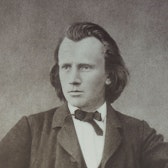
Composer Biography
Brahms composed these sonatas later in his career, during the same period he wrote his four symphonies, when he was at the peak of his art and enjoyed great success.
Recording & Production
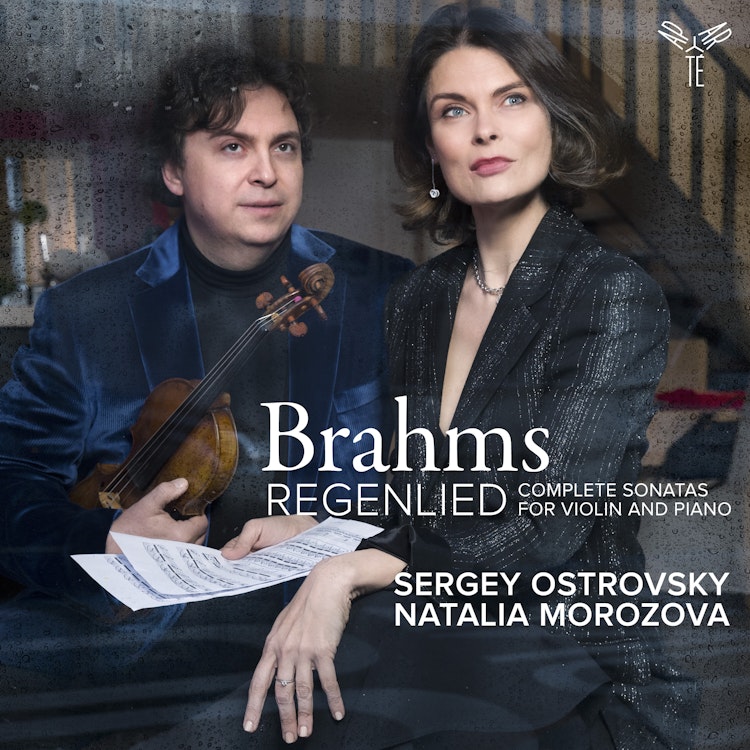
This recording was made by Little Tribeca from September 26 to 28, 2023, at the Salle de Musique, Théâtre populaire romand, La Chaux-de-Fonds, Switzerland.
Instruments
Natalia Morozova plays a Steinway Model D piano, and Sergey Ostrovsky plays a Giovanni Grancino violin from 1716 on this recording.
Composition History
Brahms published only three violin sonatas, despite making several earlier attempts in the 1850s that he was not satisfied with.
You might also enjoy...
Brahms: Violin Sonatas
Brahms: The Sonatas for Piano and Violin
Brahms - Violin Sonatas
Brahms: Sonata for Piano and Violin No. 3 in D Minor, Op. 108: IV. Presto agitato
Brahms: Sonata for Piano and Violin No. 2 in A Major, Op. 100: I. Allegro amabile
Brahms: Complete Violin Sonatas
Brahms: Violin Sonata No. 2 in A Major, Op. 100 & Clarinet Sonata No. 2, Op. 120 No. 2