Brahms, a German composer, used a technique called bariolage in his F minor third movement, where a 'croaking' sound is produced by rapidly alternating the same pitch between open and stopped strings, a technique he learned from Haydn.
Compositional Technique
In the C minor Quartet Op 51 No 1, Brahms, a German composer, unifies the work by deriving the main subject of each movement from the same musical germ.
Composition History
Brahms's first two 'official' string quartets, Op 51, evolved over a long period, with a preliminary version of the C minor work ready by late 1865 but not published until 1873.
Composition History
Brahms dedicated both Op 51 quartets to Theodor Billroth, an eminent surgeon and violinist, despite the second quartet likely being conceived for his friend Joseph Joachim.
Composer's Artistic Vision
Brahms, a German composer, was highly self-critical, stating, "It's not difficult to compose, but it's incredibly difficult to get rid of the superfluous notes."
Performer Biography
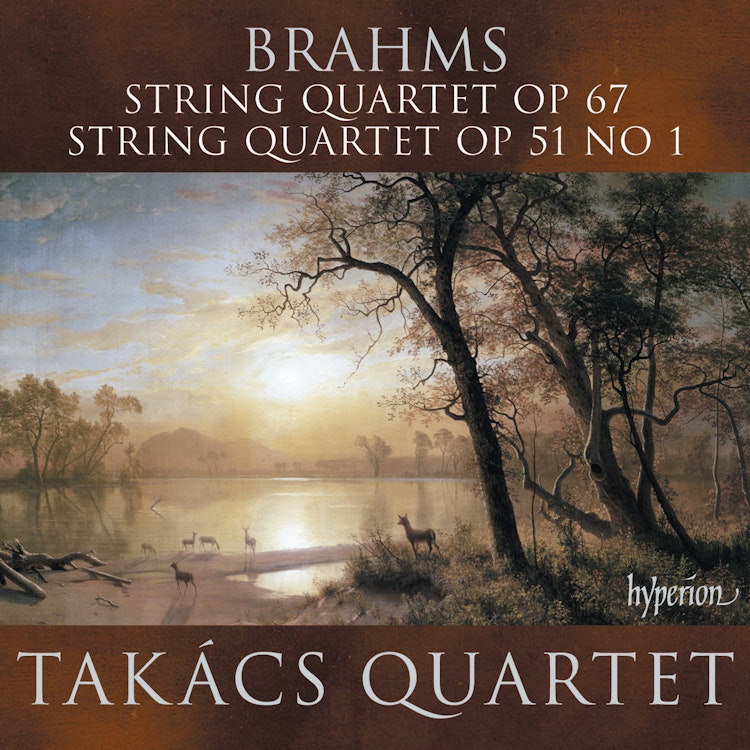
The Takács Quartet, recognized as one of the world's premiere string quartets, performs eighty concerts a year worldwide and is based at the University of Colorado in Boulder.
Composer Biography
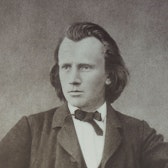
Johannes Brahms, a German composer, destroyed more than twenty string quartets before allowing his first pair, Op 51, to be published.
You might also enjoy...
Bartok: String Quartets Nos. 1 and 2
Mendelssohn: Streichquartett No. 1 & 4
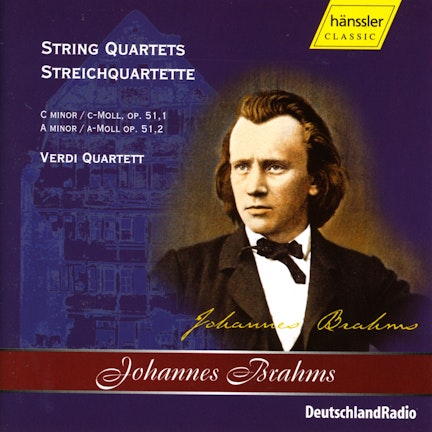
Brahms: String Quartet in C Minor, Op. 51
Shostakovich: String Quartet No.8 op.110
Bartók: String Quartet No. 4: V. Allegro molto
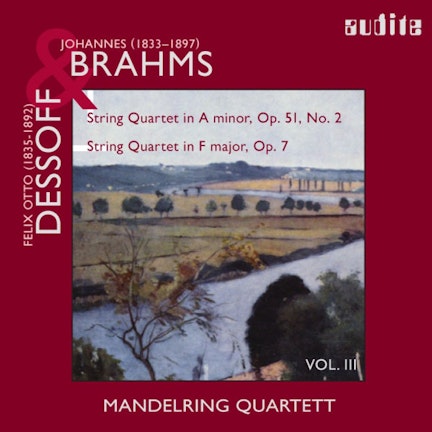
Johannes Brahms: String Quartets in A Minor, Op. 51, No. 2 & Felix Otto Dessoff: String Quartet in F Major, Op. 7