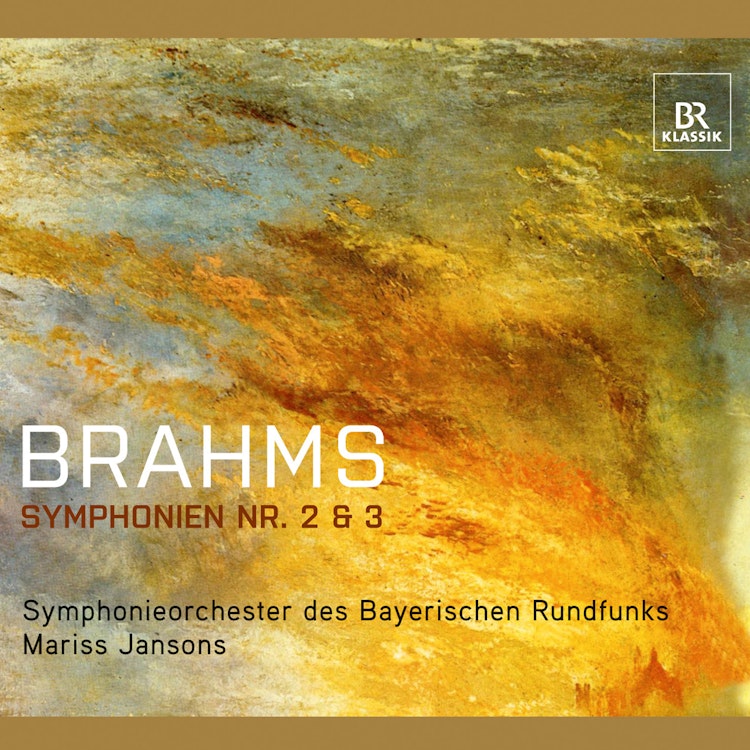
The premiere of Brahms's Second Symphony in 1877 was a great success, with critic Eduard Hanslick declaring it 'incontrovertible proof' that symphonies could still be written after Beethoven.
Composer's Artistic Vision
Despite the generally cheerful character of his Second Symphony, Brahms once described himself as 'a victim of severe melancholy' and suggested a motet written concurrently cast a necessary 'shadow' on the symphony.
Composer Biography
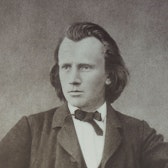
Johannes Brahms, proclaimed by Robert Schumann as Beethoven's heir, struggled for 14 years with the legacy of Beethoven's symphonies before completing his First Symphony at age 43.
Critical Reception
Contemporaries found it difficult to accept Brahms's Third Symphony as 'absolute music' without poetic meaning, leading friends like Joseph Joachim and Clara Schumann to offer their own interpretations.
Composition History
Brahms was very secretive about his Third Symphony, completing it in Wiesbaden in 1883, with neither sketches nor private statements about its creation known.
Composition History
Brahms completed his Second Symphony in 1877, just one year after his First, during a happy summer retreat in Pörtschach on Wörthersee Lake.
Cultural Impact
Brahms's Second Symphony is often nicknamed 'Pastorale' due to its cheerful, nature-inspired character, following in the tradition of Beethoven's Sixth Symphony.
You might also enjoy...
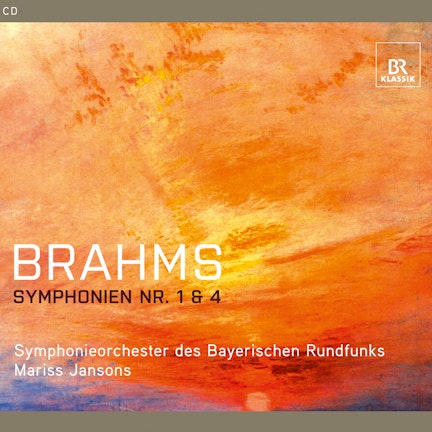
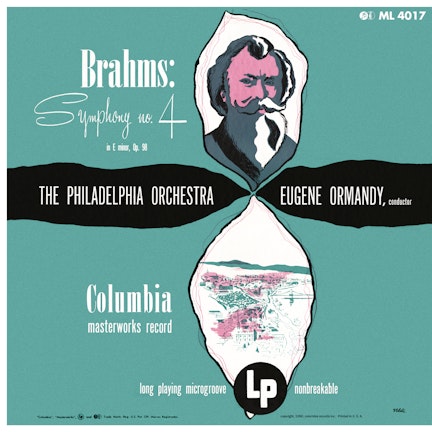
Brahms: Symphonien Nr. 1 & 4
Brahms: Symphonies Nos. 1-4 (Live)
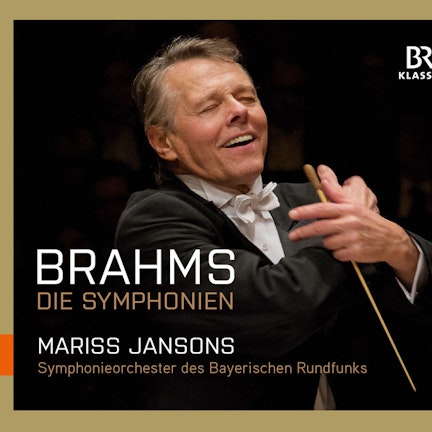
Brahms: The Symphonies
Complete Symphonies & Academic Festival Overture
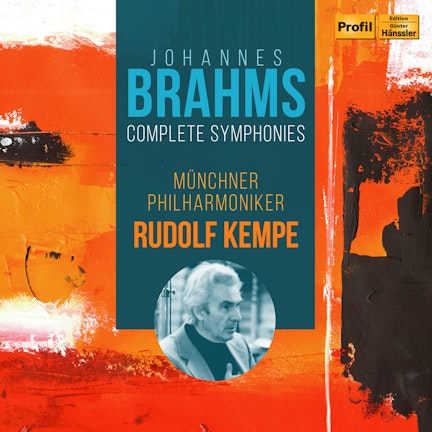
Johannes Brahms: Complete Symphonies
Brahms: Complete Symphonies
Brahms: The Four Symphonies & Variations on a Theme by Haydn