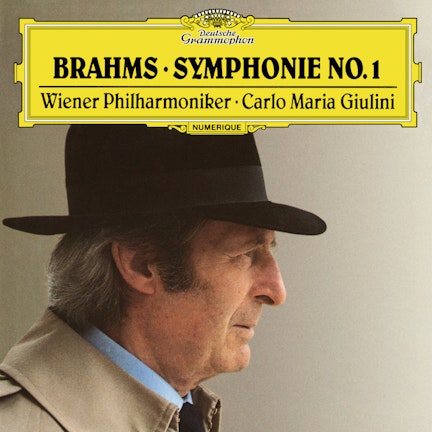
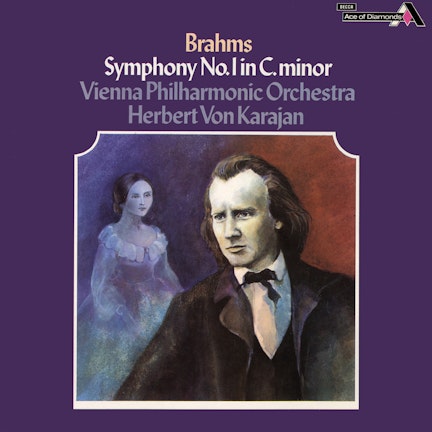
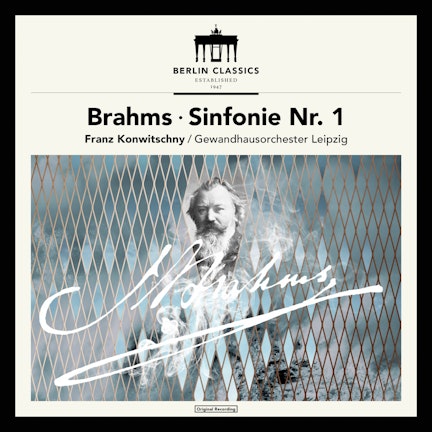
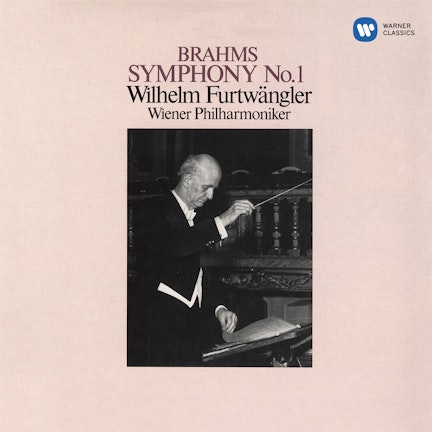
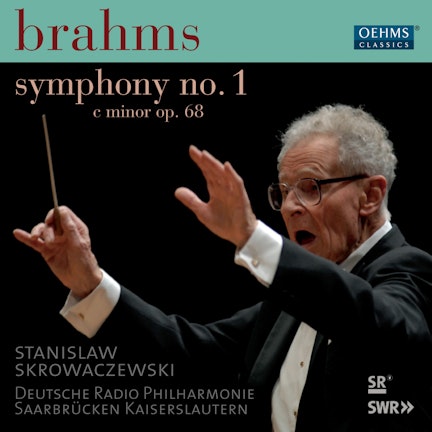
The famous slow introduction to the First Movement of Brahms' First Symphony, added later, is considered the work's 'trademark' and demonstrates his unique symphonic thinking.
Performer Biography
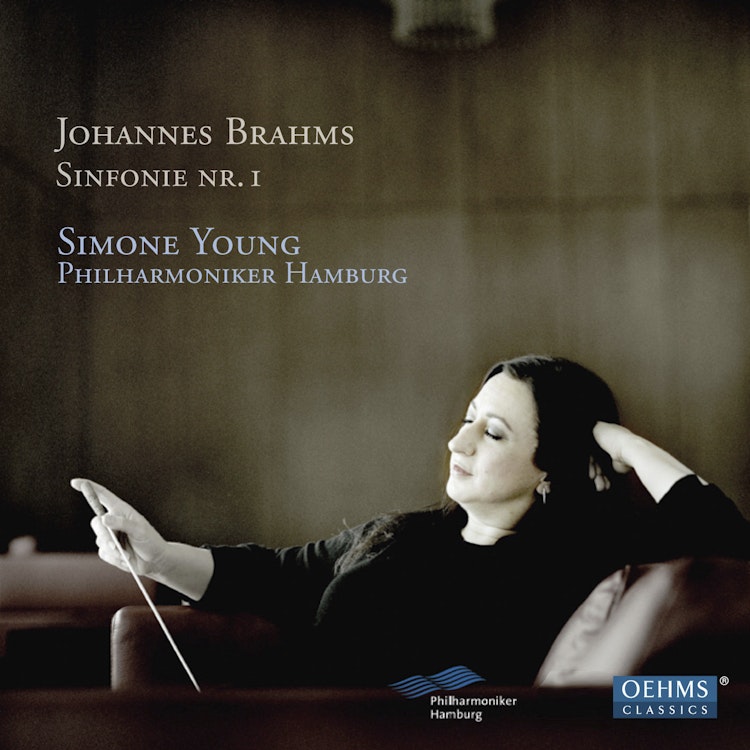
Simone Young, the conductor on this album, has been the Artistic Director and General Music Director of the Hamburg State Opera and the Hamburg Philharmonic Orchestra since 2005.
Composer's Artistic Vision
Brahms' compositional technique, particularly his method of developing 'everything else from a single main idea', was later reclaimed by Arnold Schönberg as a fundamental principle of the Modern style.
Composition History
Brahms worked on his First Symphony for 14 years, taking his time and revising it significantly, including changing the second movement from a five-part rondo to a three-part form after its London premiere.
Historical Context
Brahms' First Symphony premiered in 1876, the same year as Richard Wagner's 'Ring des Nibelungen', an event that overshadowed its significance for the symphonic genre.
Composer Biography
Johannes Brahms suffered greatly under the immense legacy of Beethoven, feeling pressure to compose symphonies after Robert Schumann predicted he would be a great symphonic composer.
Performer Biography
The Philharmoniker Hamburg, founded in 1828, has a rich history, having been conducted by figures like Gustav Mahler, Sergei Prokofiev, and Igor Stravinsky.
You might also enjoy...
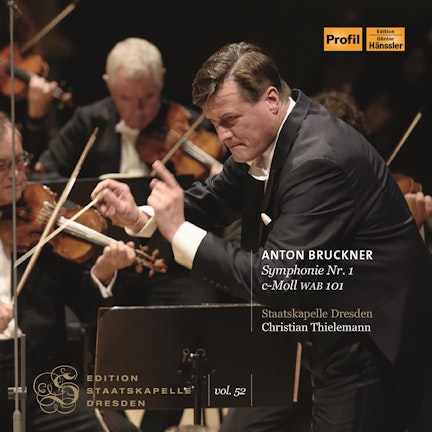
Bruckner: Symphony No. 1 in C Minor, WAB 101 (Live)
Brahms: Symphony No.1 In C Minor, Op.68
Brahms: Symphony No. 1
Brahms: Symphony No. 1, Op. 68
Brahms: Symphony No. 1, Op. 68 (Live at Wiener Musikverein, 1952)
Brahms: Symphony No. 1
Saint-Saëns: Symphony No. 3 in C Minor, Op. 78 "Organ"