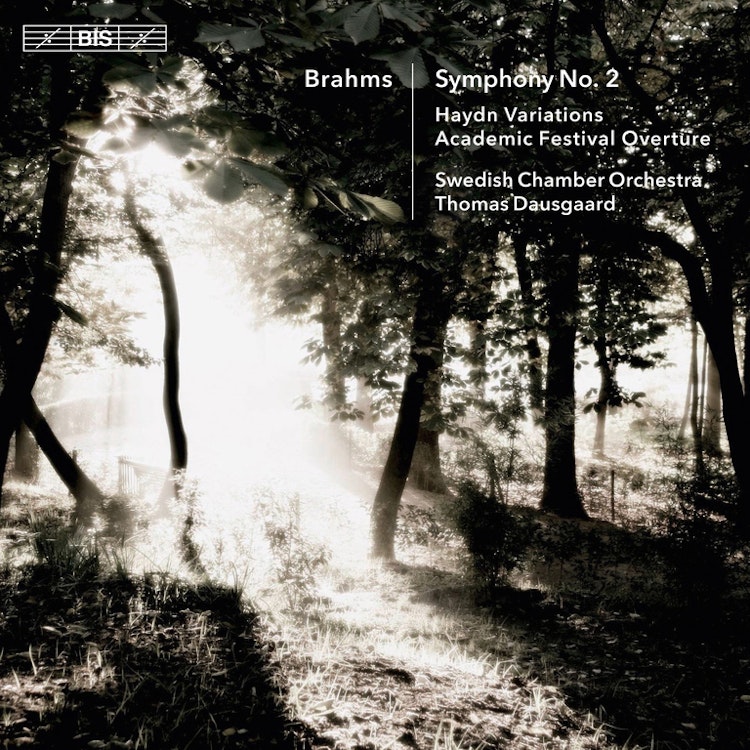
The Academic Festival Overture incorporates four old student and fraternity songs, including the well-known 'Gaudeamus igitur', which Brahms described as a 'very boisterous potpourri'.
Composition History
Brahms composed his Symphony No. 2 in just a few months, after the pressure of the First Symphony was off, creating a work that was immediately popular with both connoisseurs and laymen.
Composition History
Brahms composed the Academic Festival Overture as a musical expression of gratitude for an honorary doctorate from the University of Breslau, which he initially showed little enthusiasm for.
Composer Biography
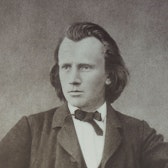
Johannes Brahms, a highly self-critical composer, was 43 years old when he completed his First Symphony in 1876, with initial sketches dating back over twenty years.
Composer's Artistic Vision
Brahms jestingly told his publisher Simrock that his new Second Symphony was 'so melancholy' and 'so sad' that it should be published with a black border.
Critical Reception
Brahms's First Symphony earned him respect but was not popular in concert halls, described by critic Eduard Hanslick as a work for 'earnest connoisseurs'.
Compositional Technique
The Variations on a Theme by Joseph Haydn, Op. 56a, were based on a wind divertimento that modern research suggests was likely not by Haydn, but by Ignaz Pleyel.
You might also enjoy...
Clair de Lune - Orchestral Favourites; Waldteufel - Waltzes
Ferenc Fricsay : Great Conductors of the 20th Century
Thomas Jensen Legacy, Vol. 20
Carl Schuricht - The Collection
Bernard Haitink - The Philips Years
Seiji Ozawa Conducts Tchaikovsky
Otmar Suitner - Kapellmeister-Edition, Vol. 5
Paul Paray conducts French Orchestral Music
Dudamel - Discoveries
Glazunov: The Seasons; Concert Waltzes; Schumann: Carnaval