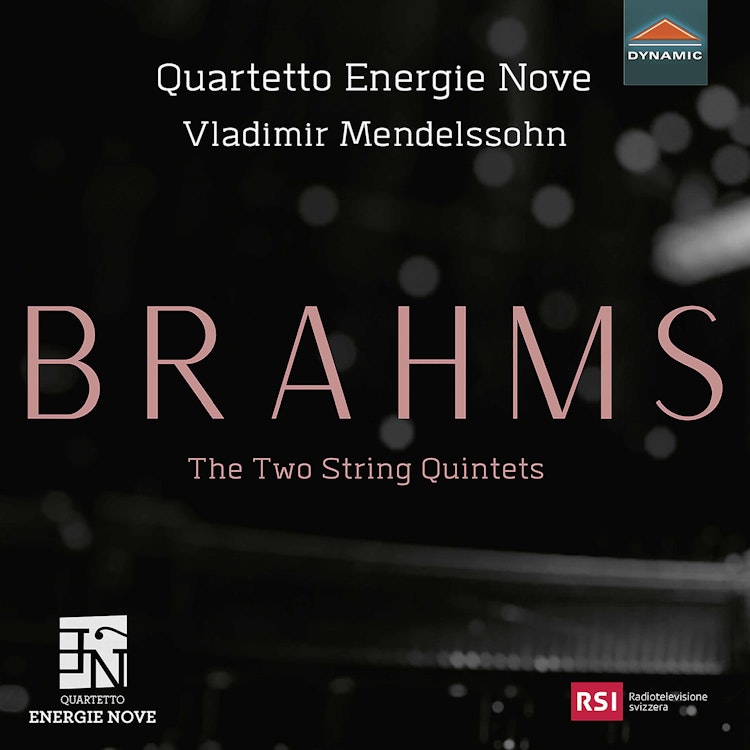
The Quartetto Energie Nove, based in Lugano, is named after an early 20th-century Italian literary magazine by Piero Gobetti, reflecting their creative and stimulating approach to music.
Composition History
Brahms initially drafted a quintet with two cellos in 1862 but set it aside, returning to the project twenty years later to complete the String Quintet in F major Op. 88.
Critical Reception
Brahms was unusually satisfied with his String Quintet in F major Op. 88, writing to his publisher that he had never heard a better work by himself, despite initial qualms from close friends like Clara Schumann and Joseph Joachim.
Composer's Artistic Vision
For Brahms, music was not a tool for social or artistic struggle, but rather a pursuit of perfection and beauty, with its influence limited to the aesthetic realm.
Instruments
The members of Quartetto Energie Nove perform on historically significant instruments, including violins by A. Stradivari (1708) and L. Ventapane (1830), a viola by C. F. Landolfi (1753), and a cello by Don Nicolò Amati (1730).
Composition History
Brahms believed the String Quintet in G major Op. 111, completed in 1890 at age 57, would be his last work, but meeting clarinettist Richard Mühlfeld inspired him to compose his final clarinet masterpieces.
Composer Biography
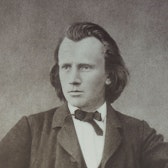
Johannes Brahms, the composer, was a fervent admirer of Johann Sebastian Bach and considered counterpoint the best method for organizing musical ideas.
You might also enjoy...
Brahms: The String Quartets / Dvorak: "Amerikanisches" Quartett Op.96
Brahms: String Quintets Nos. 1 & 2
Mendelssohn Bartholdy: Complete Chamber Music for Strings, Vol. 2
Joseph Haydn: Lobkowitz Quartets, Op. 77, Unfinished Quartet, Op. 103
Wolfgang Amadeus Mozart: Early String Quartets
Mozart: String Quartets
Wolfgang Amadeus Mozart: The Complete String Quintets
Haydn: String Quartet in G Major, Op. 77 No. 1, Hob. III:81
Wolfgang Amadeus Mozart: String Quintets Nos. 4 & 5