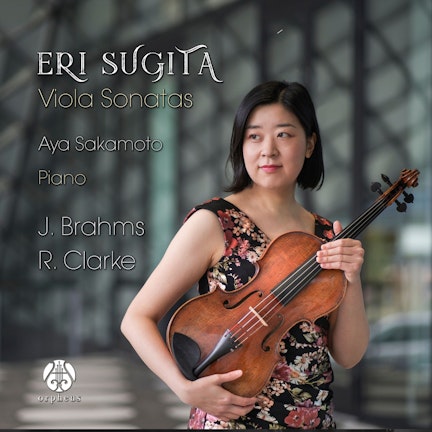
In Brahms's era, the viola was primarily valued as an inner voice in chamber music or an orchestral 'filler', not typically as a concert solo instrument.
Composition History
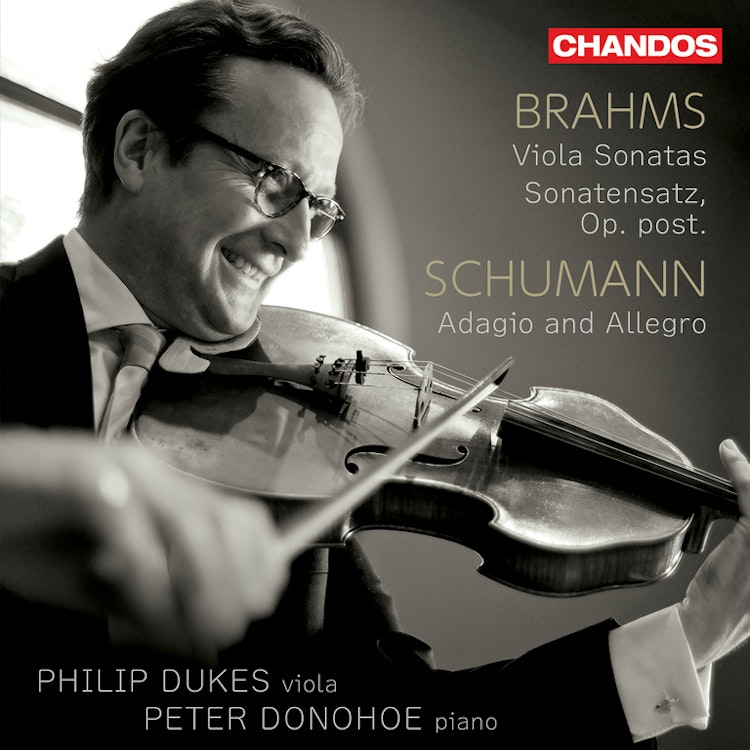
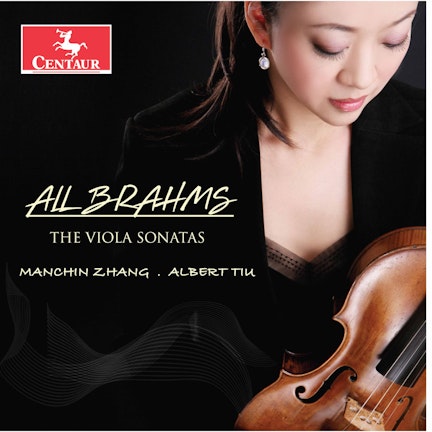
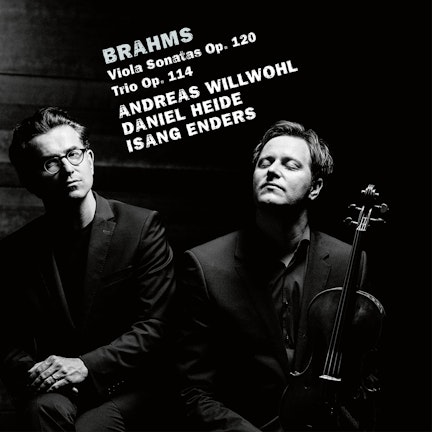
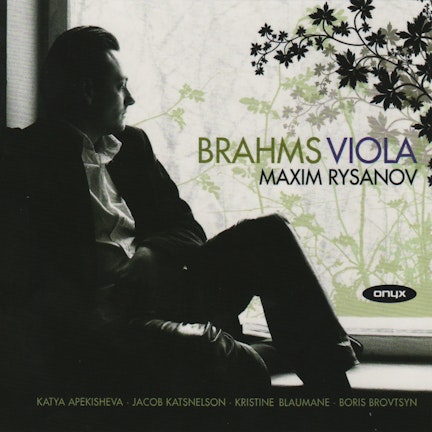
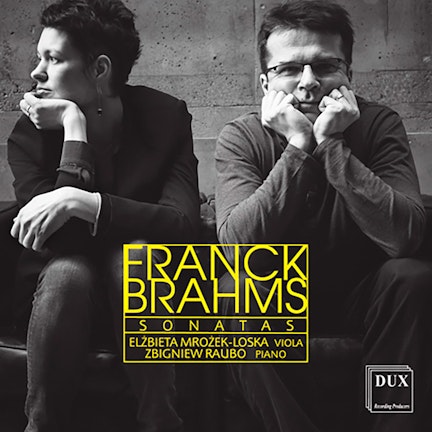
The two Brahms sonatas on this album were originally conceived for clarinet and piano, but Brahms later made arrangements for viola and piano.
Composition History
Brahms was inspired to compose for the clarinet after hearing Richard Mühlfeld, principal clarinet of the Meiningen Court Orchestra, play in 1891.
Composition History
Brahms affectionately called Richard Mühlfeld, the clarinetist who inspired him, 'Fräulein Klarinette' due to the 'feminine' vocal qualities in his playing.
Composer Biography
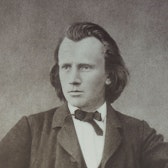
Johannes Brahms, a highly successful composer, announced his retirement from composition in 1890 at age 57, but found retirement harder than anticipated.
Composition History
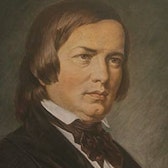
Robert Schumann's Adagio und Allegro, Op. 70, was originally for horn and piano, but he published parallel parts for violin, viola, and cello to increase its reach.
Compositional Technique
For the viola versions of his sonatas, Brahms subtly recomposed elements, adjusting motifs, adding double stopping, and extending melodic lines to suit the viola's character.