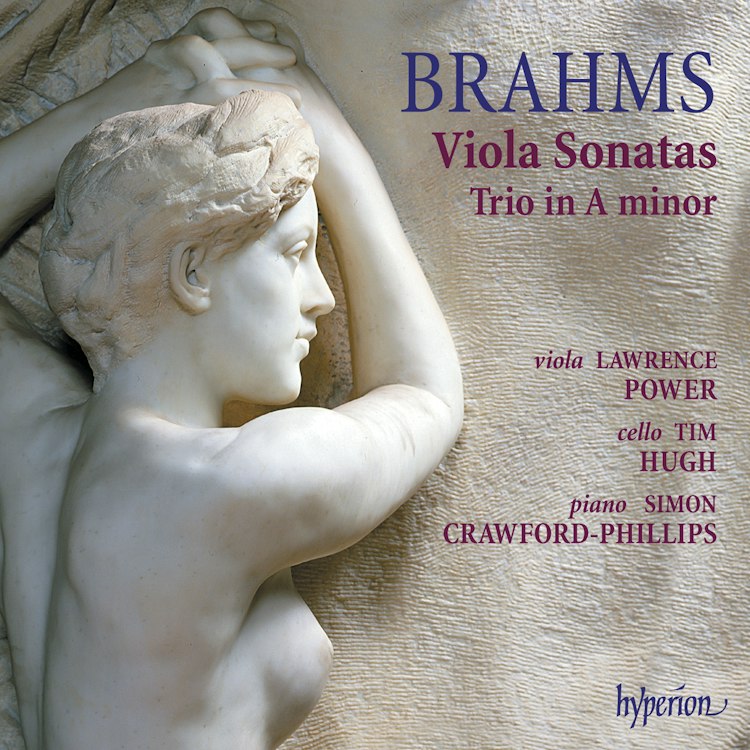
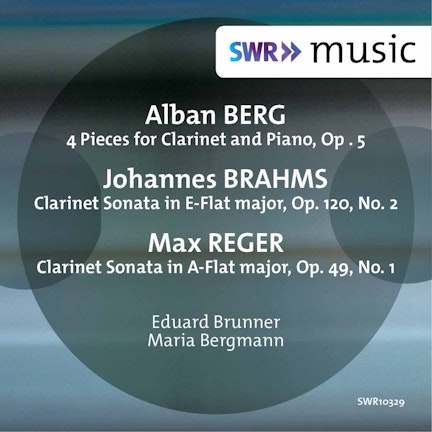
Brahms had reportedly decided to stop composing the year before writing these works, but Mühlfeld's playing re-awakened his creative urge.
Compositional Technique
In the Op. 120 sonatas, Brahms significantly rewrote the viola parts, adding double-stopping and extending melodic lines, subtly adapting the music to the viola's expressive character.
Composer's Artistic Vision
These late chamber works by Brahms reflect the personal isolation he felt as many of his close friends died, often conveying consolation, nostalgia, and melancholy.
Composition History
Although the Trio in A minor was originally for clarinet, cello, and piano, Brahms provided an alternative viola part for its publication, a common practice at the time.
Composition History
Brahms's last four chamber works, including those on this album, were inspired by the artistry of Richard Mühlfeld, the principal clarinettist of the Meiningen Orchestra.
Critical Reception
Arnold Schoenberg, a prominent 20th-century composer, admired Brahms's compositional technique for its 'economy, yet richness,' a quality exemplified in these sonatas.
Compositional Technique
The viola versions of Brahms's Op. 120 sonatas became cornerstones of the viola repertoire, effectively establishing a new genre for the instrument.
You might also enjoy...
Première rhapsodie: French Clarinet Music
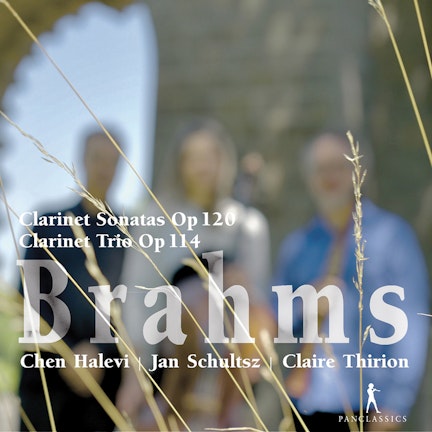
Klarinettensonaten op. 120 & -trio op. 114
Loewe: Schottische Bilder, Op. 112
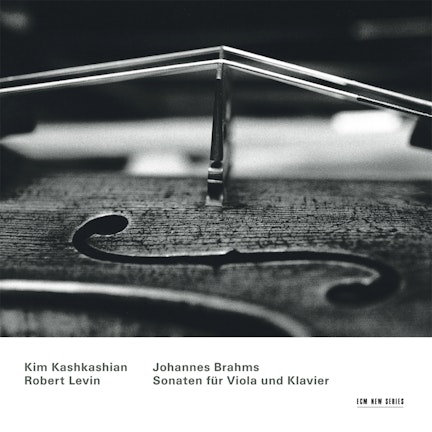
Johannes Brahms - Sonaten für Viola und Klavier
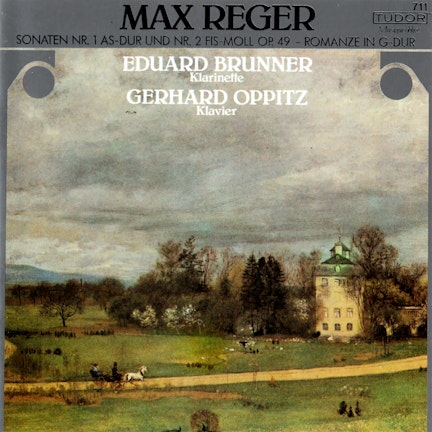
Reger: Clarinet Sonatas, Op. 49 & Romanze in G Major
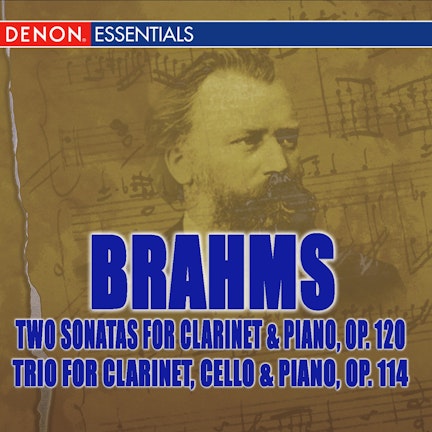
Brahms: Two Sonatas for Clarinet and Piano, Op. 120 and Trio for Clarinet, Cello, and Piano, Op. 114
Brahms: Clarinet Sonatas
Danzi, F.: Clarinet Sonata in B-Flat Major / Mendelssohn, Felix: Clarinet Sonata in E-Flat Major (The Romantic Clarinet)