Bruckner's lifelong habit of revising his compositions, often under pressure from well-meaning Wagnerian friends, is described as one of the sadder stories in music.
Composition History
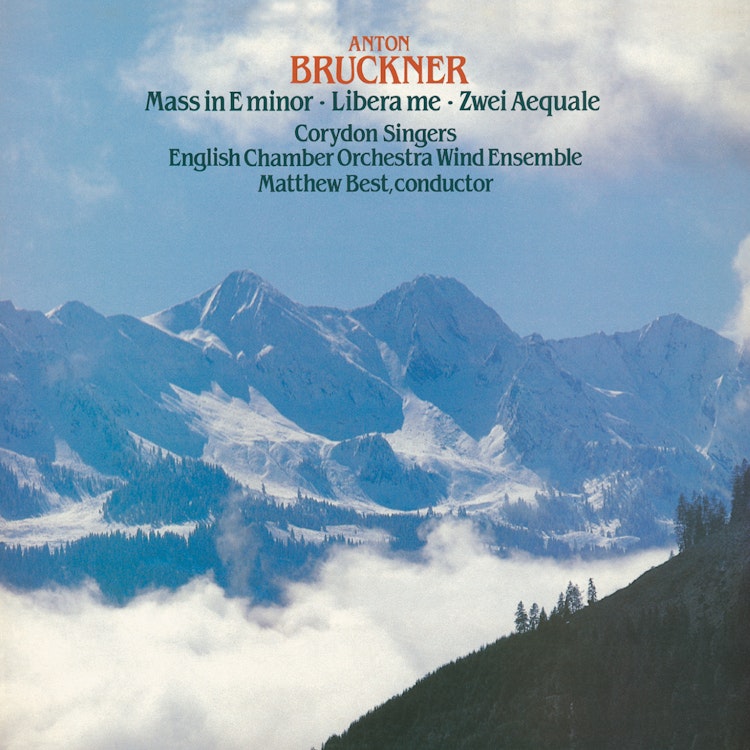
The two Aequale for three trombones are the earliest music on this recording, composed in 1847 when Bruckner was twenty-three years old.
Composition History
The motet Libera me, featured on this album, was written in 1854 when Bruckner was thirty, disproving the myth that he only became a 'proper composer' at forty.
Compositional Technique
The Mass in E minor is unique among Bruckner's Masses for using a wind band instead of a classical orchestra, and it shows the influence of early counterpoint, especially Palestrina's.
Composer's Artistic Vision
The E minor Mass, revised in 1882, balances both historical and forward-looking musical ideas, reflecting influences from Palestrina while anticipating Bruckner's later compositional processes.
Composition History
Bruckner's three mature Masses, including the Mass in E minor, were written between 1864 and 1868, after a seven-year period of intense study.
You might also enjoy...
Woud: Serenade / Bourgeois: Fantasia On the Hexachord
Kingman, D.: La Commedia (Harlequins, Ghosts and Fantasies)
Mirando
Bernard Stevens, Franz Constant, Guido Santorsola, Hans Haug, Ivan Shekov, Mario Castelnuovo-Tedesco & Satoshi Minami: Guitar & Piano - 20th Century Works
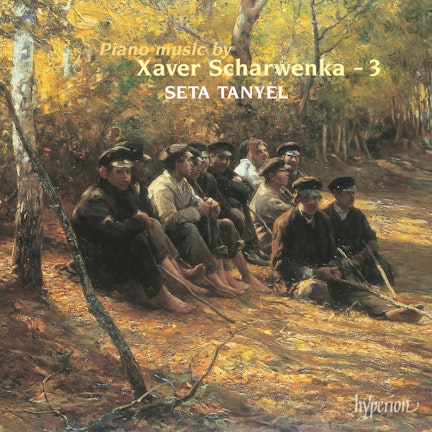
Scharwenka: Piano Music, Vol. 3
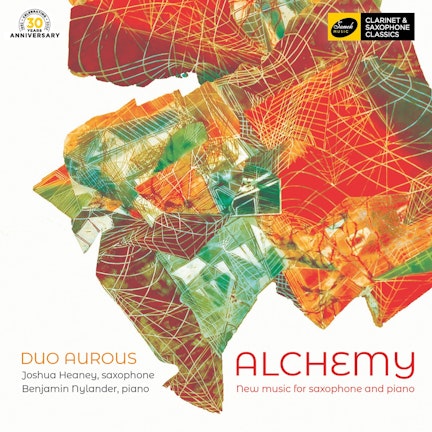
Alchemy: New Music for Saxophone and Piano
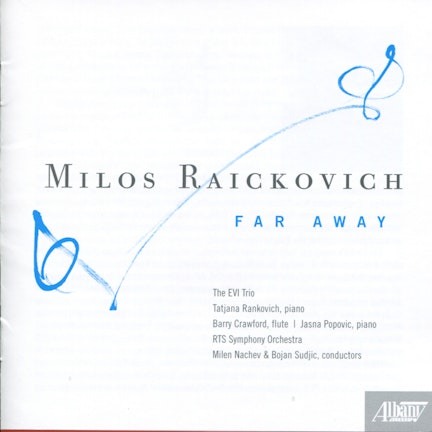
Milos Raickovich: Far Away
Smile
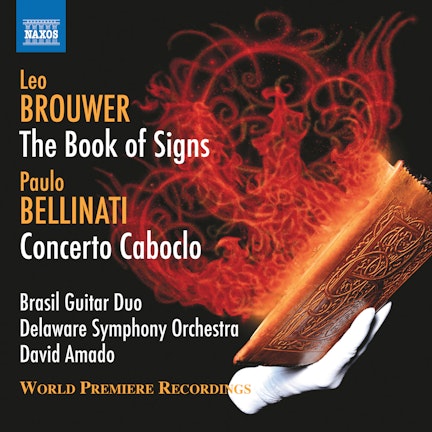
Brouwer: The Book of Signs - Bellinati: Concerto Caboclo
Bjørn Morten Christophersen: Woven Brass
Chicago Trombone Consort
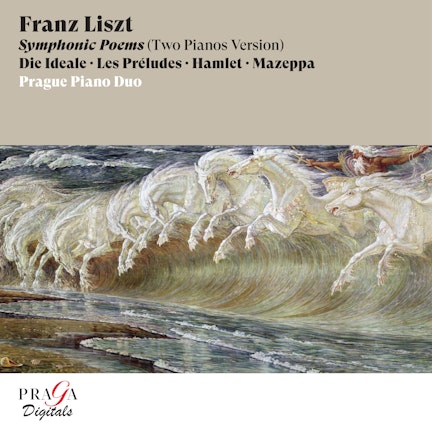
Franz Liszt: Symphonic Poems (Die Ideale, Les Préludes, Hamlet, Mazeppa)