Rudolf Kempe held significant conducting positions, including Music Director of the Royal Philharmonic Orchestra London and chief conductor of the Tonhalle-Orchestra Zurich.
Critical Reception
Bruckner was a composer who contradicted the spirit of his era, and his music had to wait a long time to gain widespread acknowledgement, leading to him being often misunderstood and misjudged.
Performer Biography
Rudolf Kempe, the conductor on this album, began his musical career as an oboist, first in Dortmund and then as solo oboist for the Leipzig Gewandhaus Orchestra.
Composer's Artistic Vision
Bruckner's music embodies the visions of a devout, ordinary man, with his expansive, shimmering musical landscapes influenced by Wagner and Schubert.
Compositional Technique
Bruckner's Symphony No. 5 is considered his "contrapuntal masterpiece" and features a large-scale double fugue in its final movement, combining the main theme with a mighty brass chorale.
Composer Biography
Anton Bruckner, born in 1824, received his initial musical instruction from his schoolmaster father and later became a chorister at the monastery of St Florian.
Composition History
Bruckner's symphonies often underwent years of revisions, with some existing in multiple versions due to his self-doubt and willingness to accept suggestions from others.
You might also enjoy...
Bruckner : Symphonies Nos 4 & 7
Tandem Bruckner/Wand
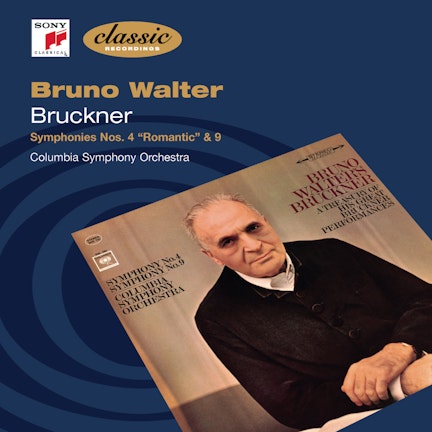
Bruno conducts Bruckner Symphonies Bo.s 4 & 9
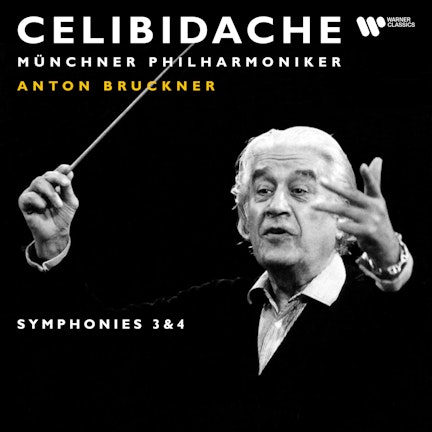
Bruckner: Symphonies No. 3 "Wagner" & 4 "Romantic" (Live at Philharmonie am Gasteig, Munich)
Bruckner: Symphonies 4&6
Bruckner: Symphonies Nos. 4 "Romantic" & 7
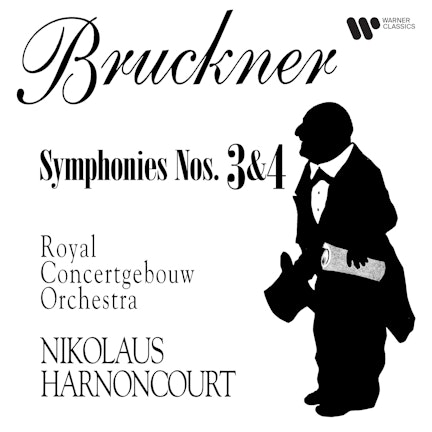
Bruckner: Symphonies Nos 3 & 4, "Romantic"
Bruckner: Symphonies 4 & 8
Bruckner: Symphony No. 00 "Study Symphony" & Finale to Symphony No. 4