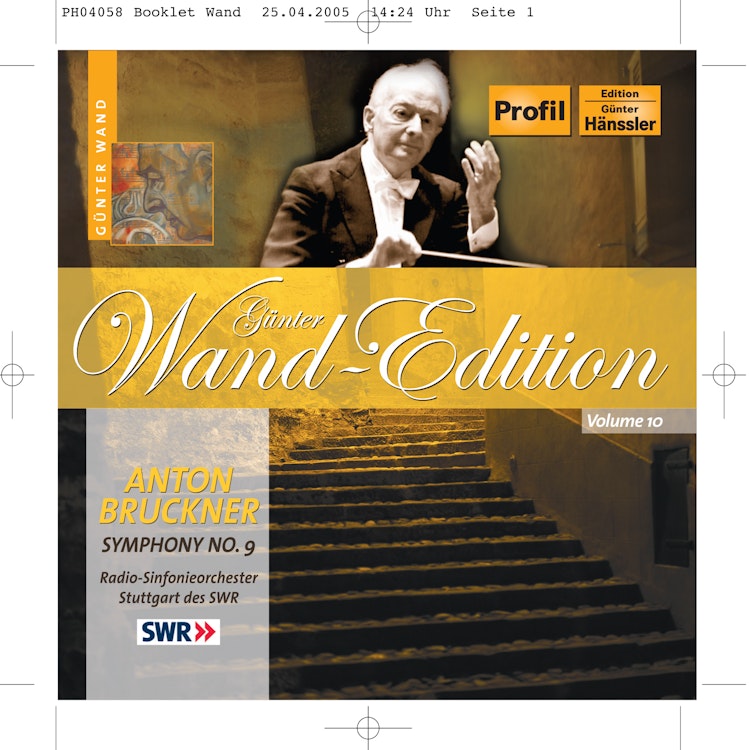
Günter Wand, the conductor, began his career at age 20 and rebuilt operatic and concert life in Cologne after World War II, turning the Gürzenich Orchestra into one of Germany's best.
Interpretation
Günter Wand, the conductor, aimed to free Bruckner's symphonies from structural and instrumental changes, as well as religious and ideological associations, to present them as "pure" music.
Composition History
Anton Bruckner's Symphony No. 9 in D minor remained unfinished, with only three movements completed, despite the composer living for two years after finishing the third movement.
Compositional Technique
Bruckner's Ninth Symphony is considered a "finished unfinished symphony" because its slow Adagio movement rounds off the work, making it a self-contained piece of art.
Composer's Artistic Vision
Anton Bruckner, the composer, wrote all his music "soli Deo gloria" (solely in honour and in praise of God), and his Ninth Symphony is traditionally said to be dedicated to "the blessed Lord."
Recording & Production
This album is part of a posthumous Günter Wand Edition, aiming to document his radio recordings and showcase his extraordinary repertoire range using digital remastering.
Composer Biography
Anton Bruckner, the composer, was a schoolmaster's son who became an organist and professor at the Vienna Conservatory, gaining international fame as an organist and improviser.
You might also enjoy...
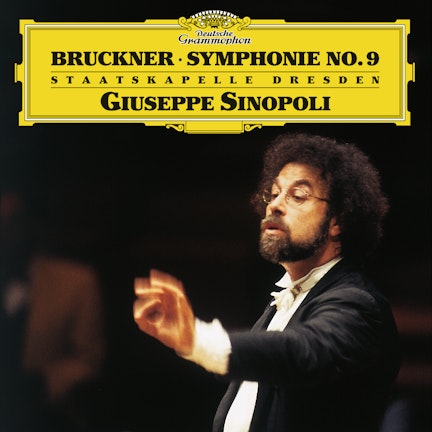
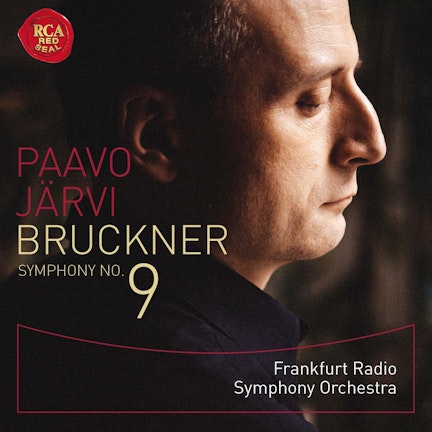
Bruckner: Symphony No. 9
Bruckner: Symphony No. 9, Wab 109
Bruckner: Symphony No. 9 (Original Version)
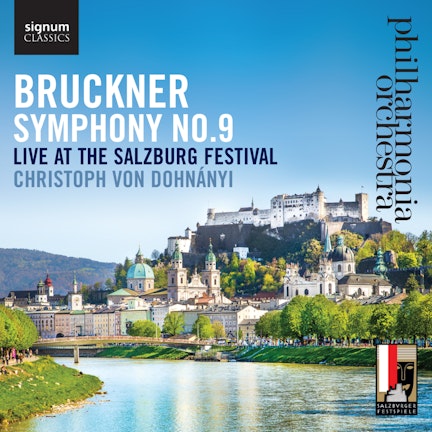
Bruckner: Symphony No. 9 (Live at the Salzburg Festival)
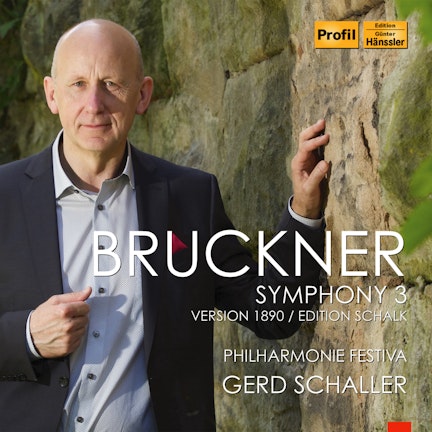
Bruckner: Symphony no. 3
Bruckner: Symphony No. 9, WAB 109
Bruckner: Symphony No. 9
Bruckner 9
Anton Bruckner: Symphony No. 9
Bruckner: Symphony No. 3 (1890 Version, Ed. T. Raettig)