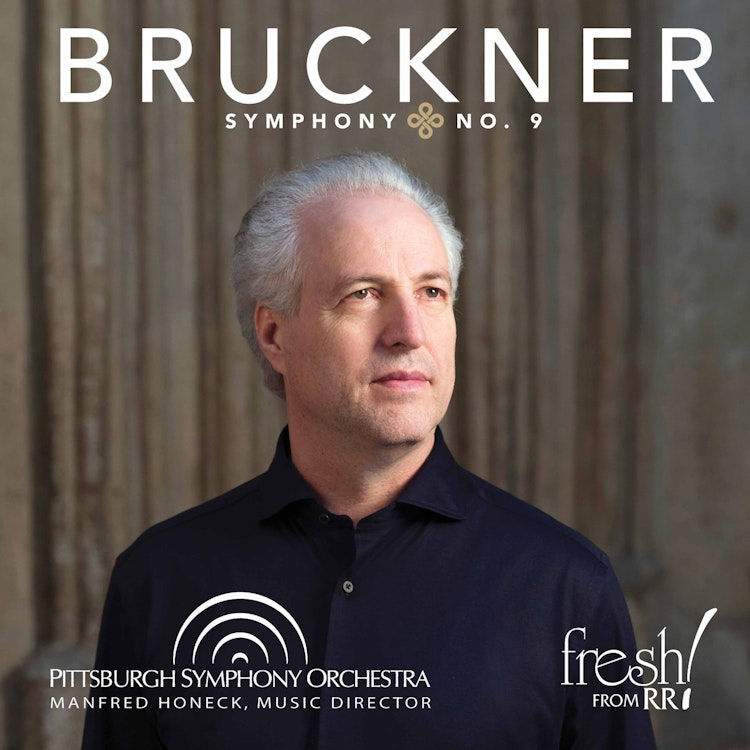
Bruckner: Symphony No. 9 in D Minor, WAB 109 (Ed. L. Nowak)
8/23/2019, 3 Tracks, 1:03:10
The Pittsburgh Symphony Orchestra and their music director Manfred Honeck present Bruckner’s final symphony – No. 9 in D minor. Bruckner did not live to complete his symphony, but the first three movements were finished, and the work stands as one of his finest. This is the ninth instalment in the acclaimed Pittsburgh Live! series, which has also included a recording of Bruckner’s Fourth.
Grammy Award nominee 2020.
Featuring
Manfred Honeck
Pittsburgh Symphony Orchestra
Anton Bruckner
Did you know?
1/7
Critical Reception
Bruckner faced strong criticism in Vienna, caught between the opposing factions of Wagnerians and traditionalists, but found his first resounding success with his Seventh Symphony.
Composition History
Bruckner's Ninth Symphony remained unfinished at his death, with only 172 measures of the fourth movement fully orchestrated; he requested his Te Deum be performed in its place.
Composer's Artistic Vision
Bruckner was a deeply religious man who put his relationship with God first, and his faith, cultivated in his rural homeland, influenced him throughout his life.
Composer Biography
Bruckner considered himself primarily a composer, stating, "I am not a musician, but a composer. What my fingers play will pass, but what they write will stand."
Composition History
Bruckner dedicated his Te Deum, a choral work, to God as a reflection of the sufferings he endured in Vienna.
Composer Biography
Anton Bruckner, the composer, was born in 1825 and, like his father, initially studied to become a teacher.
Composer Biography
Bruckner's skills as an organist were highly celebrated, with his improvisations enthusiastically received from Notre Dame in Paris to the Royal Albert Hall in London.
You might also enjoy...
Bruckner: Symphony No. 8
Bruckner : Symphony No.5
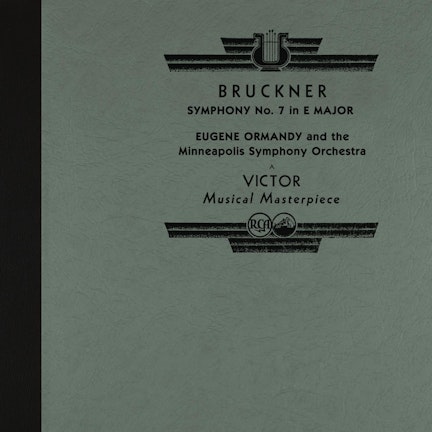
Bruckner: Symphony No. 7 in E Major
Bruckner: Symphony No. 7 in E Major
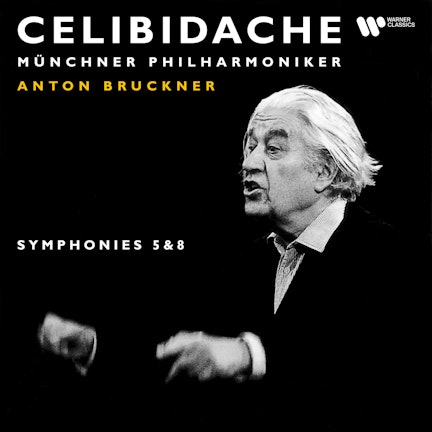
Bruckner: Symphonies No. 5 & 8 (Live at Philharmonie am Gasteig, Munich, 1993)
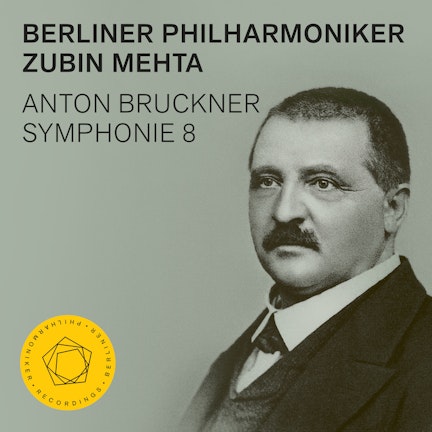
Anton Bruckner: Symphonie 8
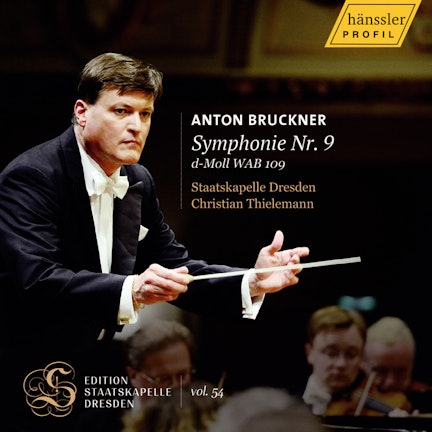
Bruckner: Symphony No. 9 in D Minor, WAB 109
Bruckner: Symphony No. 4
Tandem Bruckner/Wand
Bruckner: Symphony No. 1 in C Minor, WAB 101 (1877 Linz Version, ed. R. Haas)
Bruckner: Symphony No.1 in C Minor, WAB 101 (Linz Version)
Bruckner: Symphony No. 1 in C Minor
Bruckner: Symphony No. 3 in D Minor, WAB 103 "Wagner" (1889 Version) [Live]