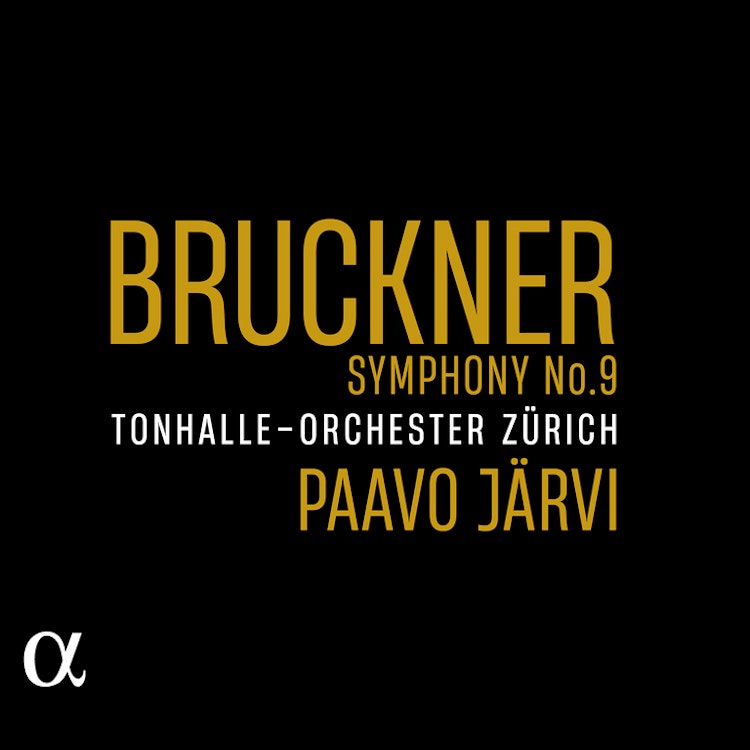
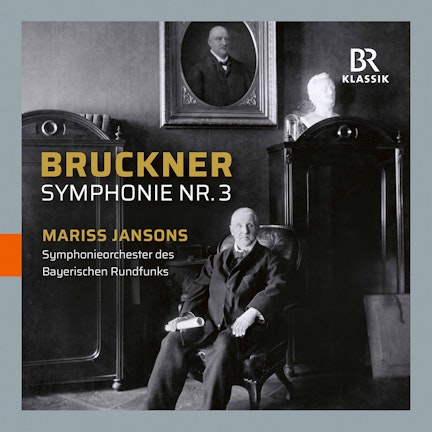
Anton Bruckner's Symphony No. 9 was intended as his artistic testament, and he struggled with its composition due to frequent illness.
Composer's Artistic Vision
Bruckner dedicated his Ninth Symphony to "my dear God," having previously dedicated symphonies to King Ludwig II of Bavaria and Emperor Franz Joseph I of Austria-Hungary.
Composer Biography
Bruckner's life was deeply shaped by the Catholic Church; he was a chorister at St. Florian Monastery, later its organist, and then Cathedral organist at Linz.
Compositional Technique
In the third movement of his Ninth Symphony, Bruckner quoted themes from his earlier works, including his D-minor Mass and the Adagio of his Eighth Symphony.
Critical Reception
Bruckner's Ninth Symphony, often called 'Unfinished,' is usually performed in its three-movement original form because it feels complete, similar to Schubert's 'Unfinished' Symphony.
Composition History
Bruckner chose D minor for his Ninth Symphony, the same key as Beethoven's Ninth, despite his initial hesitation to compose a ninth symphony due to Beethoven's precedent.
Instruments
Bruckner paid tribute to Richard Wagner in the Adagio of his Ninth Symphony by using four Wagner tubas, an instrument Wagner designed for his opera cycle The Ring.
You might also enjoy...
Bruckner: Symphony No. 8
Bruckner : Symphony No.5
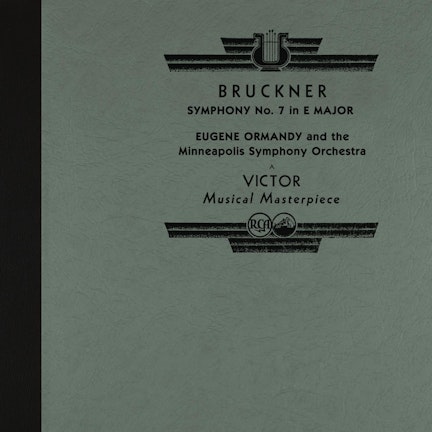
Bruckner: Symphony No. 7 in E Major
Bruckner: Symphony No. 7 in E Major
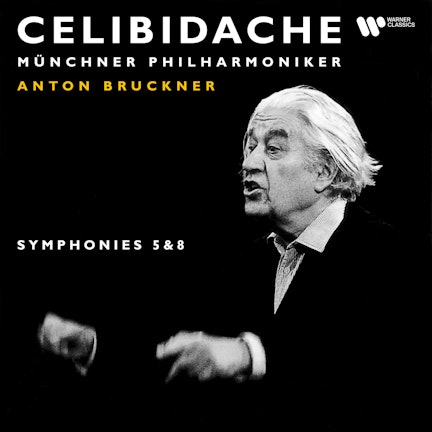
Bruckner: Symphonies No. 5 & 8 (Live at Philharmonie am Gasteig, Munich, 1993)
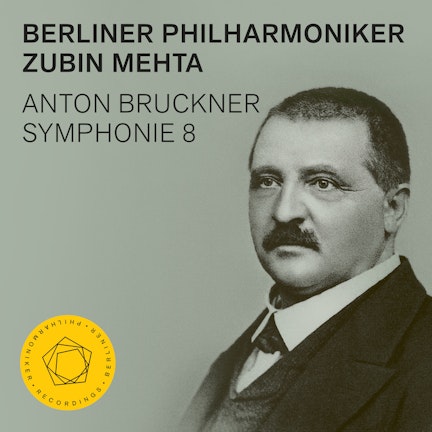
Anton Bruckner: Symphonie 8
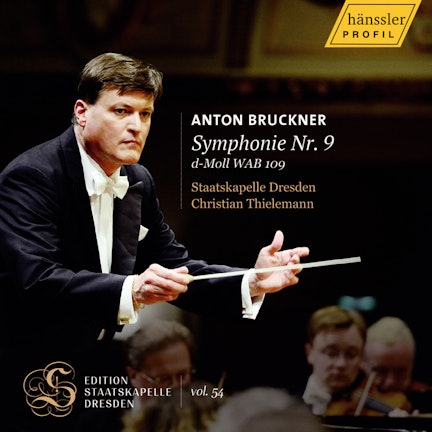
Bruckner: Symphony No. 9 in D Minor, WAB 109
Bruckner: Symphony No. 4
Tandem Bruckner/Wand
Bruckner: Symphony No. 1 in C Minor, WAB 101 (1877 Linz Version, ed. R. Haas)
Bruckner: Symphony No.1 in C Minor, WAB 101 (Linz Version)
Bruckner: Symphony No. 1 in C Minor
Bruckner: Symphony No. 3 in D Minor, WAB 103 "Wagner" (1889 Version) [Live]