Buxtehude's musical style strongly influenced many composers, including Johann Sebastian Bach, who walked 200 miles to hear him play.
Recording & Production
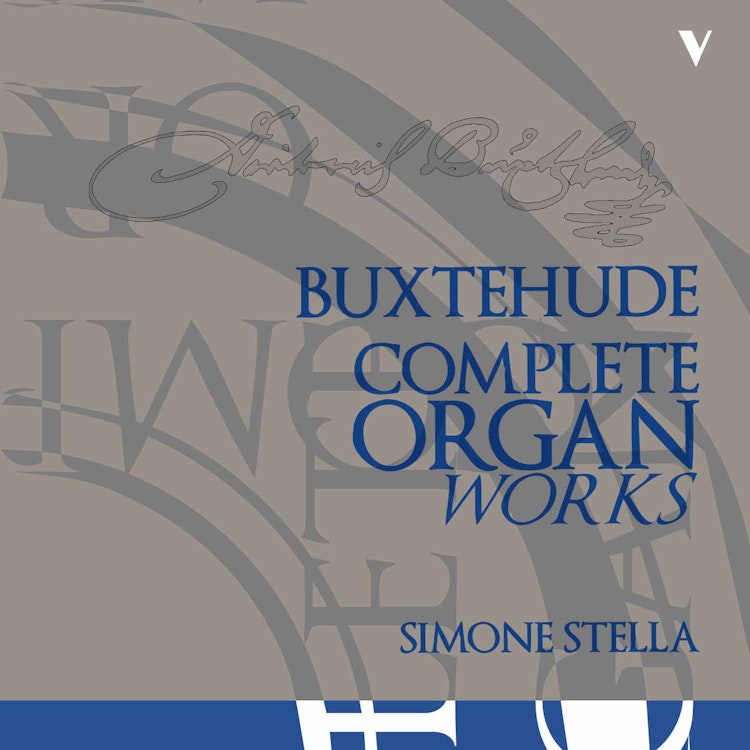
This recording by Simone Stella was made in perfect-stereo using only two microphones and has received several awards, including the prestigious 5-Diapason mark.
Composer Biography
Dieterich Buxtehude, a Danish-German organist and composer, is considered one of the most important composers in Germany during the mid-Baroque period.
Historical Context
Buxtehude continued the tradition of 'Abendspiele' or 'evening recitals' at the Marienkirche in Lübeck, which began as informal performances for city burghers and grew into sumptuous dramatic performances.
Compositional Technique
Buxtehude was a master of the stylus phantasticus, a brilliant new poetic style that blended northern and southern influences, creating a musical idiom that reconciled tradition with incisive harmonies and inventive phrasing.
Composition History
Buxtehude's organ works represent a central part of the standard organ repertoire and are frequently performed at recitals and in church services.
Compositional Technique
Buxtehude's compositions for organ reveal a great variety of forms, including preludes, toccatas, variations on a basso ostinato, canzonas, fugues, and chorale preludes.