The instrumental piece 'Aquila altera' is based on the tenor part of a three-part vocal work by Jacopo da Bologna, a 14th-century composer.
Album & Artwork
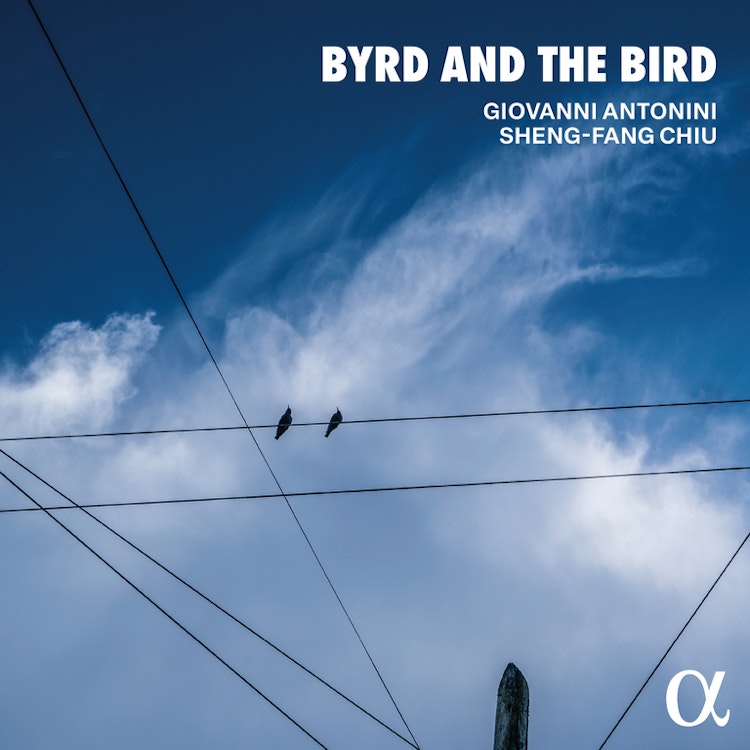
The album title, 'Byrd and the Bird', is a wordplay on the composer William Byrd and the bird as a metaphor for the virtuoso performance of the sopranino flute.
Critical Reception
Telemann's Duets op.2 were widely known and reprinted in several European cities, and the flautist Friedrich Ludwig Dülon praised Telemann's music, recommending its study despite the common perception that it was 'outdated'.
Instruments
In Bartók's 'Rutén Kolomejka', the second line, which is written for two parts, is performed on two flutes played simultaneously by a single performer, harking back to the medieval double flute.
Historical Context
According to John Hawkins, a historian, the recorder, especially larger sizes, was considered a 'solemn instrument' favored by 'fine gentlemen' in the 17th century who emulated French court manners.
Composition History
Béla Bartók's '44 Duos for 2 Violins' were composed between 1931 and 1932, during a period when other composers like Paul Hindemith were also writing for recorders due to the rediscovery of early instruments.
Composer Biography
Amico Dolci, a recorder prodigy and gifted composer, wrote his 'Ricercare No.4' at the age of 16, growing up in a libertarian environment shaped by his father, sociologist and pacifist Danilo Dolci.
You might also enjoy...
The White Labyrinth: Harvey Sollberger at Eighty
Bach & Dennisow: Flute Solo
Souvenir
Flute Recital: Schmeiser, Hansgeorg - Takemitsu, T. / Pagh-Paan, Y. / Fukushima, K. / Hindemith, P. / Karg-Elert, S./ Stamitz, J.