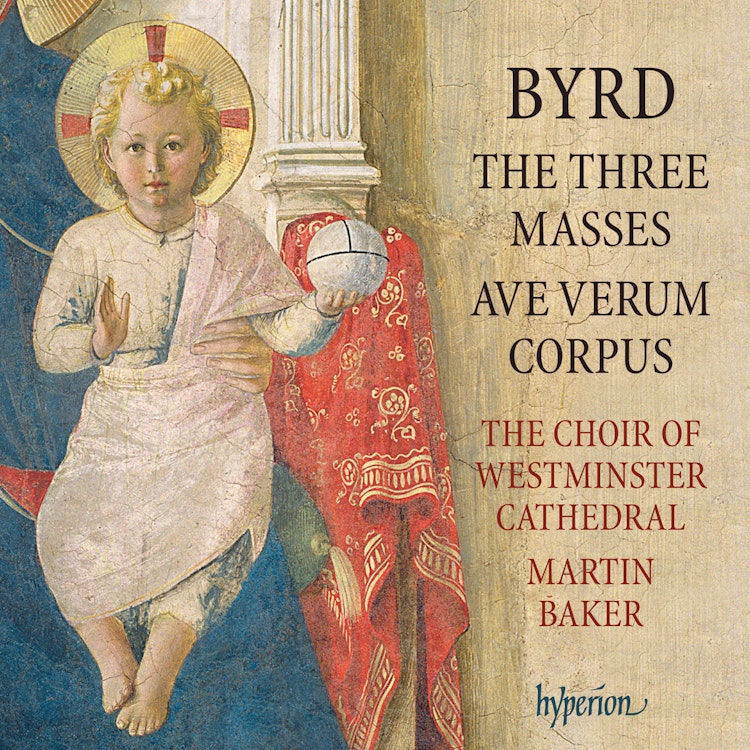
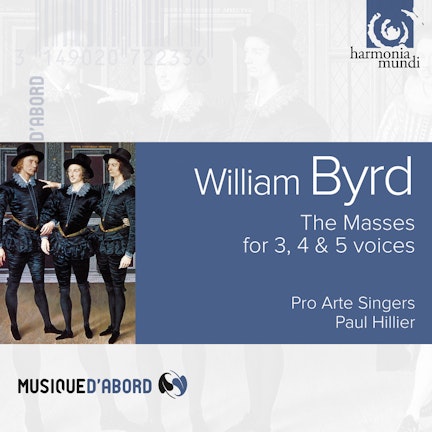
William Byrd led a double life: publicly, he was a prominent member of Queen Elizabeth's Chapel Royal, composing for the Anglican church, while privately he wrote Catholic music for his community.
Composition History
William Byrd's three Masses were published between approximately 1592 and 1595, with the Mass for four voices appearing first, followed by the Mass for three voices, and then the Mass for five voices.
Composer's Artistic Vision
Byrd's Catholic motets and Masses are more intimate and personal than his public Anglican works, reflecting his claim that the words always came first in his compositions.
Interpretation
William Byrd never intended his Masses to be sung publicly in cathedrals by large choirs, as they were originally performed covertly as chamber music by amateurs in private settings.
Compositional Technique
Unlike many contemporaries, William Byrd composed his three Masses freely, without directly quoting pre-existing music, instead drawing on melodies that came to him and alluding to Tudor musical styles.
Historical Context
William Byrd's Latin Masses and motets, composed for a suppressed Catholic minority in England around 1600, were shunned by the established Protestant church for two centuries.
Composition History
The revival of William Byrd's Masses in the late 19th century was pioneered by Roman Catholic church choirs in England, such as those at Downside Abbey, the Brompton Oratory, and Westminster Cathedral.
You might also enjoy...
Victoria, T.L. De: Missa Dum Complerentur / Missa Simile Est Regnum Coelorum
Victoria: Masses
Byrd/Tallis: Choral Music
Byrd / Tallis: Masses
Byrd: Masses for Four and Five Voices
Ockeghem: Missa Cuiusvis Toni
Palestrina: Missa Papae Marcelli - Byrd: Mass a 5 / Laudibus in sanctis