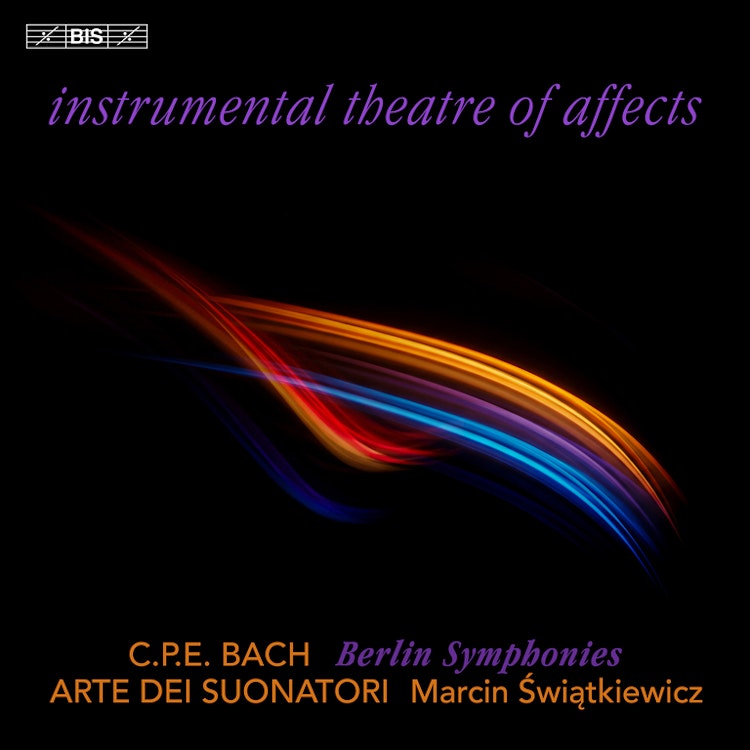
During the 18th century, Berlin became a leading cultural center, with musicians like Carl Philipp Emanuel Bach serving King Frederick II 'the Great', who was himself an accomplished flutist and composer.
Composer's Artistic Vision
Carl Philipp Emanuel Bach composed in a highly individual version of the galant idiom, and his empfindsam (hyper-expressive) style is evident in his Berlin symphonies, distinguishing him from his father.
Composer Biography
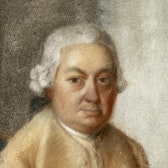
Carl Philipp Emanuel Bach, the second son of Johann Sebastian Bach, served as chamber musician to King Frederick II 'the Great' in Berlin from 1741 until 1767.
Compositional Technique
Carl Philipp Emanuel Bach's second symphony, Wq 176, links all three movements through short transitional passages, making the multi-movement work a single continuous entity, predating Beethoven's similar approach in his Fifth Symphony.
Compositional Technique
In his Berlin symphonies, Carl Philipp Emanuel Bach's imaginative scoring ensures constant variety of sonority even without wind instruments, alternating between unison passages, quasi-solos for violins, and various combinations of parts.
Performer Biography
Arte dei Suonatori, founded by violinists Ewa and Aureliusz Goliński, is a leading Polish ensemble known for performing early music in a historically informed manner.
Composition History
These symphonies were among the first examples of the genre, which originated as a type of opera overture, and were influenced by Johann Adolf Hasse, a leading composer of Italian opera.
You might also enjoy...
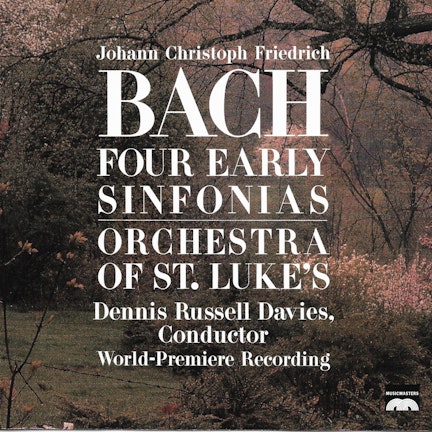
Johann Christoph Friedrich Bach: Four Early Sinfonias