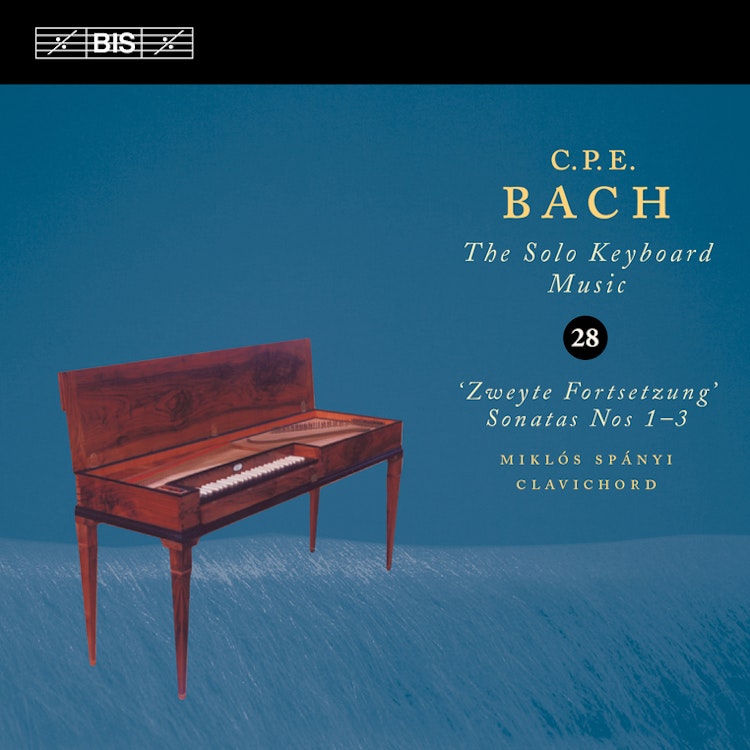
Miklós Spányi, the performer on this album, has recorded all of Carl Philipp Emanuel Bach's keyboard concertos, a project described by Gramophone as 'a unique monument'.
Compositional Technique
The first movement of Sonata No. 1 in E flat major includes 'occasional octaves that rumble in imitation of an orchestra,' alongside a swinging melody and drumming bass.
Composition History
Two of the sonatas in the 'Zweyte Fortsetzung' (Second Sequel) collection were composed in the 1740s, much earlier than the others, but Carl Philipp Emanuel Bach believed they were compatible.
Composition History
Carl Philipp Emanuel Bach had more time for composing the 'Zweyte Fortsetzung' sonatas because his employer, Friedrich II of Prussia (Frederick the Great), was occupied with the Seven Years' War.
Composer's Artistic Vision
While some of Carl Philipp Emanuel Bach's keyboard sonatas were for players of modest ability, the series including 'Zweyte Fortsetzung' explored new ideas and appealed to more sophisticated musicians.
Compositional Technique
The final movement of Sonata No. 2 in D minor is adventurous, casting doubt on its tonality by starting in D minor, then C minor, before returning to D minor.
Compositional Technique
The second movement of Sonata No. 2 in D minor, despite its 'Larghetto e sempre piano' heading, contains a particularly loud outburst before returning to its tranquil mood.
You might also enjoy...
Bach: The Solo Keyboard Music, Vol. 17
Bach: Keyboard Music, Vol. 1
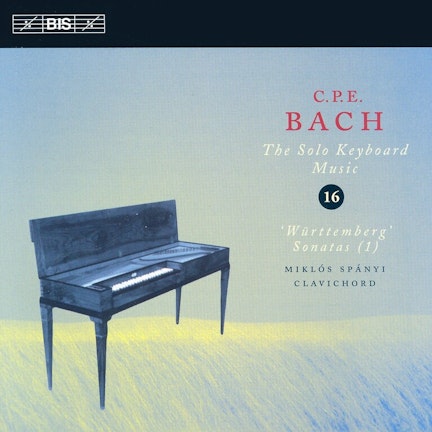
Bach: The Solo Keyboard Music, Vol. 16
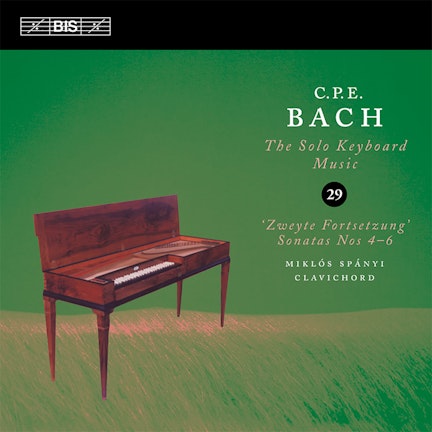
C.P.E. Bach: The Solo Keyboard Music, Vol. 29
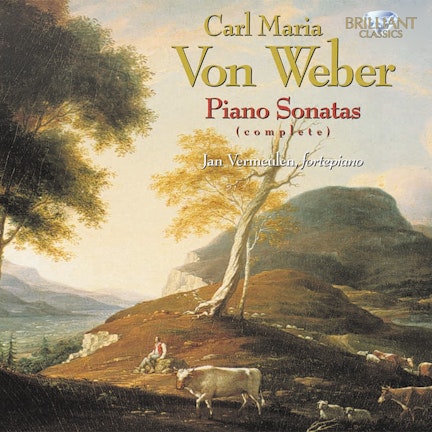
Weber: Piano Sonatas Complete
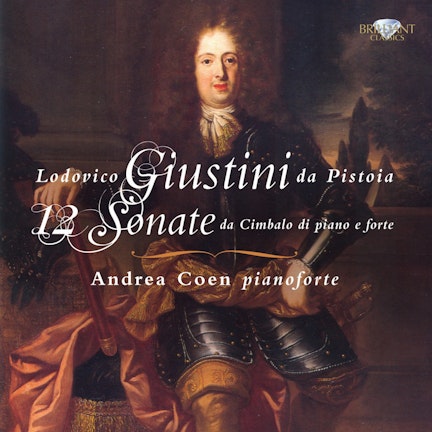
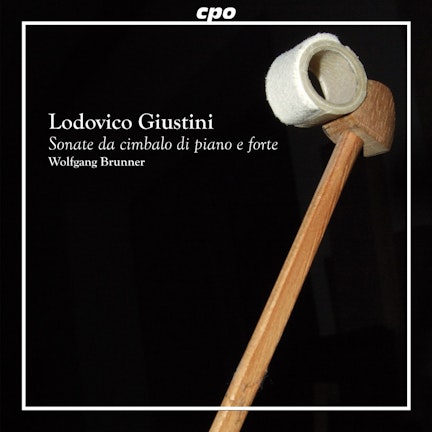
Giustini: 12 Sonate da Cimbalo di Piano e Forte
Giustini: 12 Sonate da cimbalo di piano e forte detto volgarmente di martelletti, Op. 1