The young Joseph Haydn considered C.P.E. Bach his sole prototype, recognizing the humor and drama in Bach's compositions, such as the final Allegro of the Sonata in B flat major.
Composer's Artistic Vision
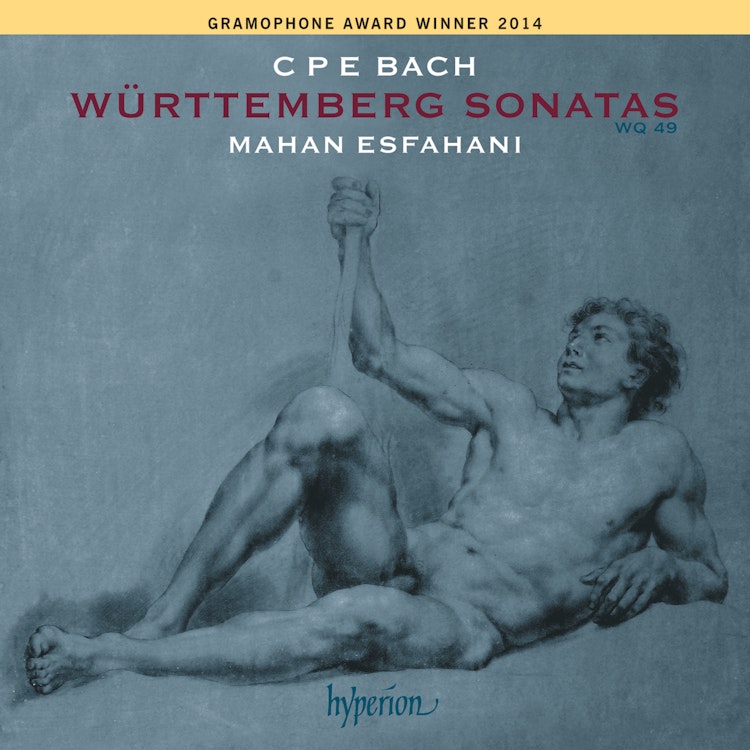
C.P.E. Bach's music challenges the simplistic divide between the 'Baroque' and 'Classical' periods, as his Württemberg Sonatas were composed before some of his father's important late works.
Composer Biography
The Sonata in B minor, the last of the set to be written, reflects C.P.E. Bach's dual musical personality, looking forward to new styles while honoring the training he received from his father.
Compositional Technique
In the Sonata in E flat major, C.P.E. Bach uses unprepared chords, both consonant and dissonant, to emphasize the emotional momentum of his melodies, moving beyond Baroque compositional methods.
Performer Biography
Mahan Esfahani, the harpsichordist on this recording, was the first harpsichordist to be named on the BBC's New Generation Artist scheme.
Compositional Technique
The Württemberg Sonatas showcase a new musical language, with the first sonata featuring a combative style, wide melodic ranges, and mood swings characteristic of Sturm und Drang.
Composition History
C.P.E. Bach's Württemberg Sonatas were written in 1742-43 and published in 1744, dedicated to his former student, the Duke of Württemberg.
You might also enjoy...
Benda: 6 Harpsichord Sonatas
Campioni: 6 Harpsichord Sonatas, Op. 4b
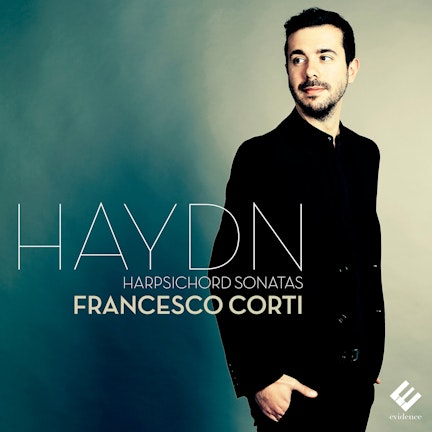
Haydn: Harpsichord Sonatas
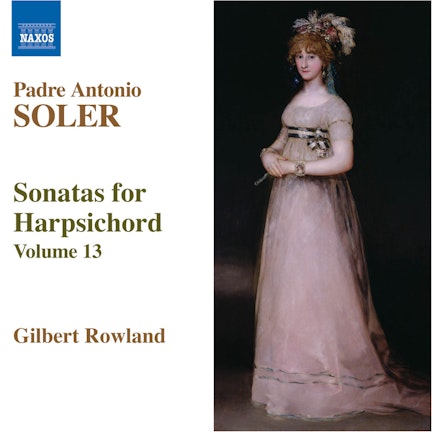
Soler, A.: Sonatas for Harpsichord, Vol. 13
W.F. Bach: Keyboard Sonatas
Soler: 6 Concertos for Two Keyboard Instruments
Soler: El Diablo vestido de fraile
Bach, W.F.: Keyboard Sonatas, F. 4, 8 and 9 / 8 Fugues