The recording features a two-manual Franco-Flemish harpsichord built in 2014 for Château de Versailles Spectacles, modeled after a Ruckers-Taskin instrument.
Recording & Production
This album was recorded on November 20, 2019, at the Chapelle Royale in Versailles.
Composer's Artistic Vision
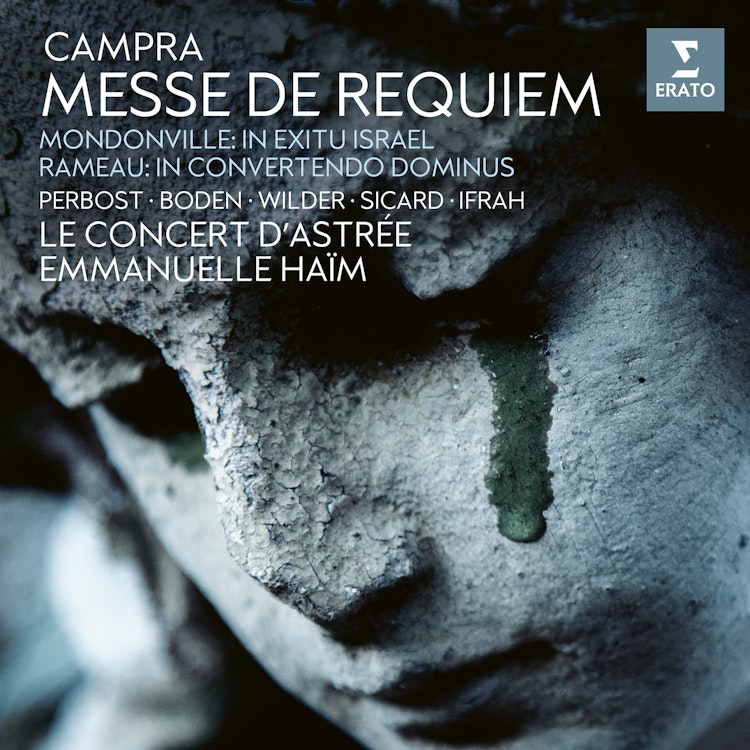
The three works on this album, by André Campra, Jean-Philippe Rameau, and Jean-Joseph Cassanéa de Mondonville, are characterized by a variety of styles and a wide range of vocal and orchestral roles, typical of a great Versailles motet.
Compositional Technique
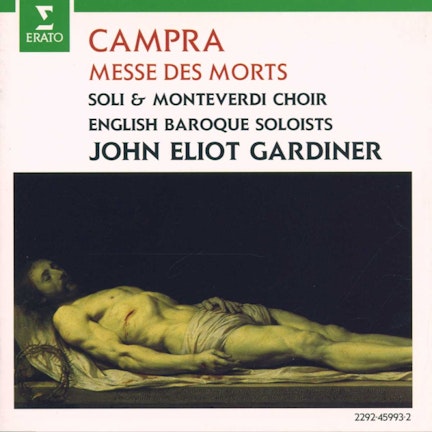
André Campra's Messe de Requiem (Requiem Mass), composed around 1723, combines solemn mysticism with a more gallant, almost operatic style, reflecting the composer's dual roles and passion for opera.
Composition History
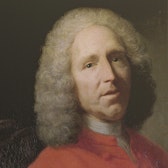
Rameau's In convertendo Dominus was composed between 1713 and 1715 when he was an organist at the Church of the Jacobins in Lyon, and later revised in 1751 for the Concert Spirituel in Paris.
Composition History
Jean-Philippe Rameau's motet In convertendo Dominus is the only one of his motets whose original manuscript has survived to this day.
Composer's Artistic Vision
The works on this album vividly illustrate the passage from sorrow to joy, and from darkness into light.