Due to rising antisemitism in Italy and Mussolini's 'Manifesto of the Race' in 1938, Castelnuovo-Tedesco's music was banned from Italian radio and concert performances were cancelled, leading him to emigrate to New York in 1939.
Composer Biography
After emigrating to California in 1940, Castelnuovo-Tedesco began a prolific career writing film music, working on as many as 250 movies until 1956, though not always receiving screen credit.
Compositional Technique
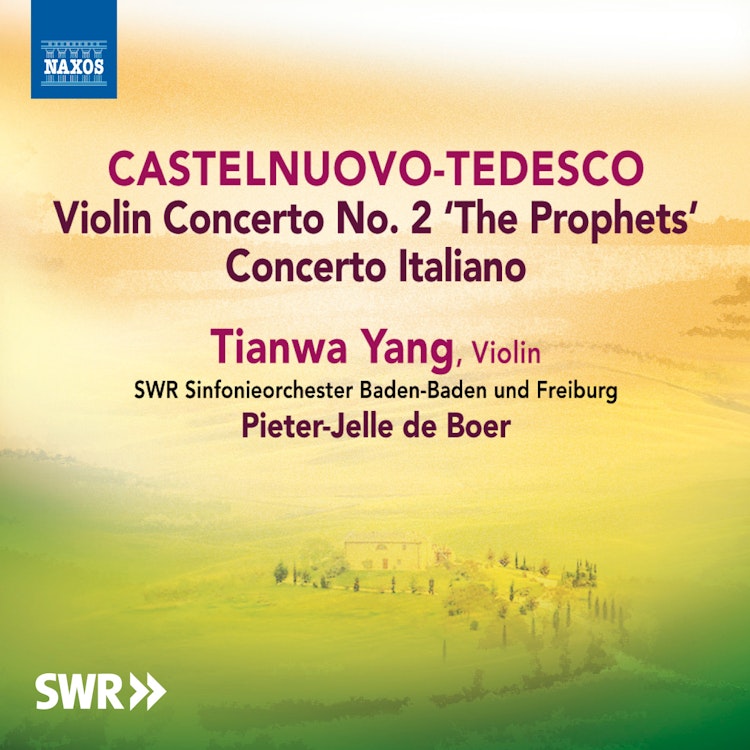
For the Concerto Italiano, Castelnuovo-Tedesco decided to draw inspiration from the 'lyric and linear' violin style of the 17th and 18th centuries, resulting in a tuneful, fresh, and transparently scored work.
Composer Biography
Mario Castelnuovo-Tedesco was born in Florence in 1895 into an ancient banking family that had lived in the city since the expulsion of Jews from Spain in 1492.
Composition History
The Concerto Italiano was commissioned by the eminent violinist Mario Corti in 1924, who requested a 'very modern' concerto.
Performer Biography
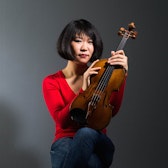
Tianwa Yang, the violinist on this recording, is the youngest artist to have recorded Paganini's 24 Caprices, having done so at the age of thirteen.
Composer's Artistic Vision
Castelnuovo-Tedesco's discovery of a notebook with Hebrew prayer music written by his maternal grandfather led him to embrace his Jewish roots and compose works expressing his Jewishness.
You might also enjoy...
Schoenberg: Concerto for Violin and Orchestra, Op. 36
Bartók: Violin Concerto No. 2
Max Reger: Violin Concerto op. 101
Rochberg: Violin Concerto
Johan Svendsen, Lange-Müller: Violin Concertos
Glass: Violin Concerto No. 2 "The American Four Seasons"