Cavalli, who was an Achorister at St Mark's in Venice under Monteverdi, became organist at the Basilica in 1639.
Recording & Production
The manuscript provides only vocal parts and a bass line, with other instrumental lines appearing in sinfonias, balli, and ritornellos, but without specifying instruments.
Recording & Production
The only surviving musical source for Gli Amori d'Apollo e di Dafne is a manuscript copy held in the Biblioteca Nazionale Marciana in Venice, which is missing four scenes.
Composition History
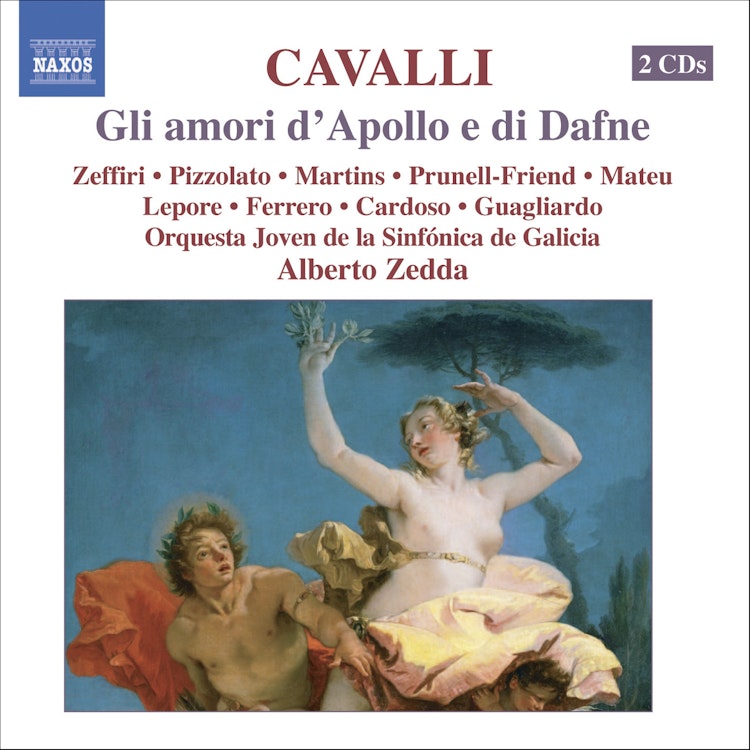
The opera marked the beginning of Cavalli's collaboration with librettist Giovanni Francesco Busenello, who also wrote the libretto for Monteverdi's L'incoronazione di Poppea.
Compositional Technique
Gli Amori d'Apollo e di Dafne features noble declamation, ariosos, and long, asymmetrical phrases, which were soon replaced by shorter, more regular ariettas in later operas.
Composition History
Cavalli's opera, Gli amori d'Apollo e di Dafne, premiered in 1640 at the Teatro S. Cassiano in Venice and was his second opera.
Compositional Technique
The opera includes a travesti rôle for the elderly female character Cirilla, sung by a male voice in an exaggerated falsetto, a common practice at the time.
You might also enjoy...
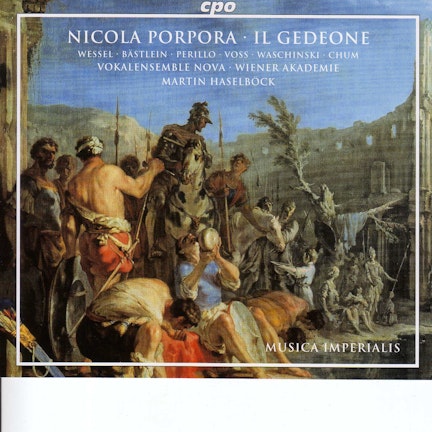
Porpora: Gedeone (Il)
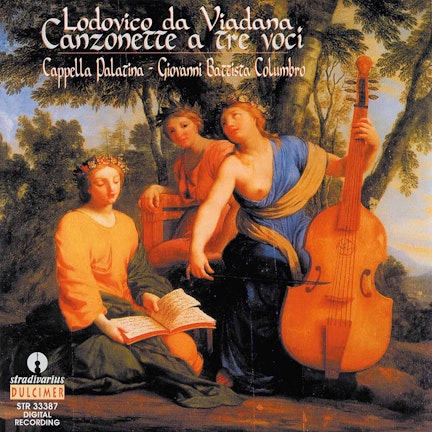
Viadana: Canzonette, Book 1
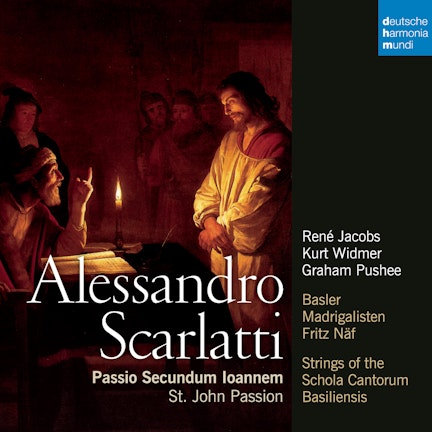
Scarlatti: St. John Passion
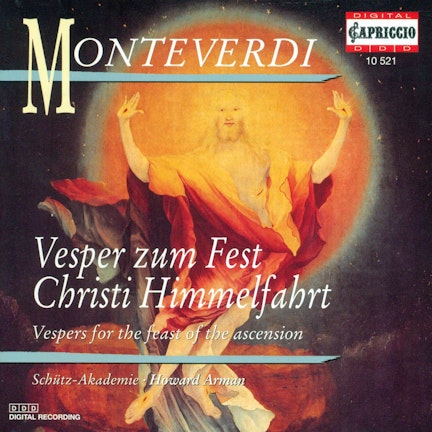
Monteverdi, C.: Vespers for the Feast of the Ascension
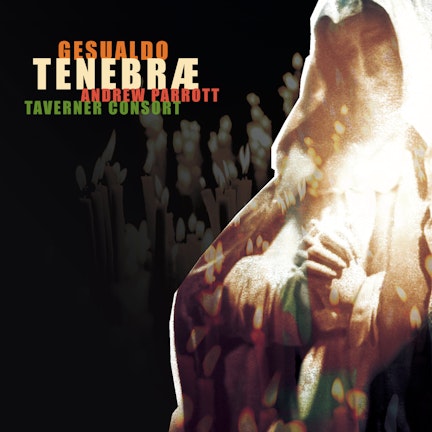
Gesualdo: Tenebrae Responses for Good Friday (Responsoria, 1611)
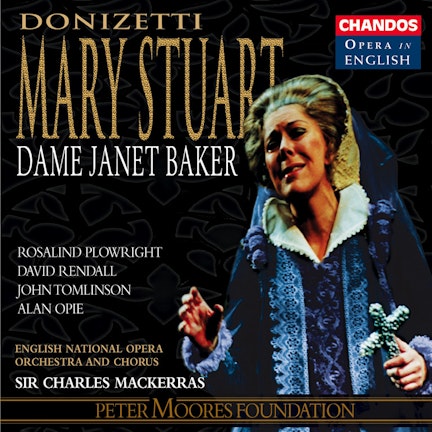
Donizetti: Mary Stuarda (Sung in English)
DHM Splendeurs: Scarlatti: Passion Selon St Jean
Carissimi: Oleum Effusum Est / Domine, Deus Meus / Sicut Stella Matutina / Adeste Mortales (Virtuoso Soprano Motets)