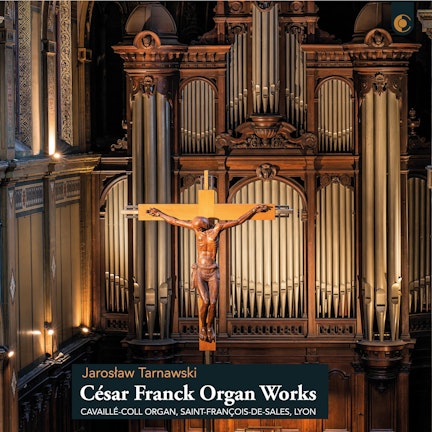
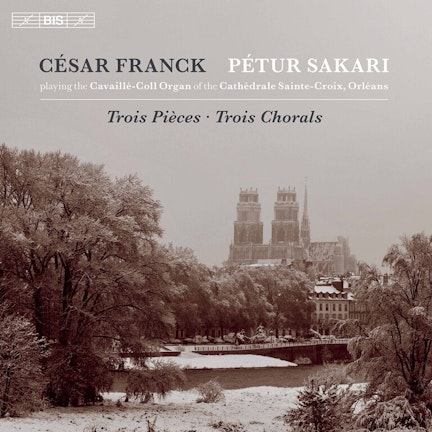
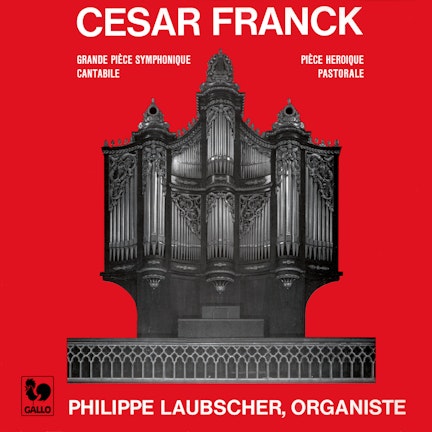
César Franck's distinctive musical language in his organ works combines harmonic elements from Liszt and Wagner with inspiration from Beethoven's variation technique, yet his forms and colors are uniquely his own.
Instruments
Aristide Cavaillé-Coll, a leading French organ builder of the 19th century, created a new type of organ with full, sumptuous sonorities and greater dynamic range, reflecting the development of the 19th-century orchestra.
Composition History
César Franck composed his Trois Pièces pour le Grand Orgue to inaugurate a new Cavaillé-Coll organ at the Palais du Trocadéro in Paris, built for the 1878 Exposition Universelle (World's Fair).
Interpretation
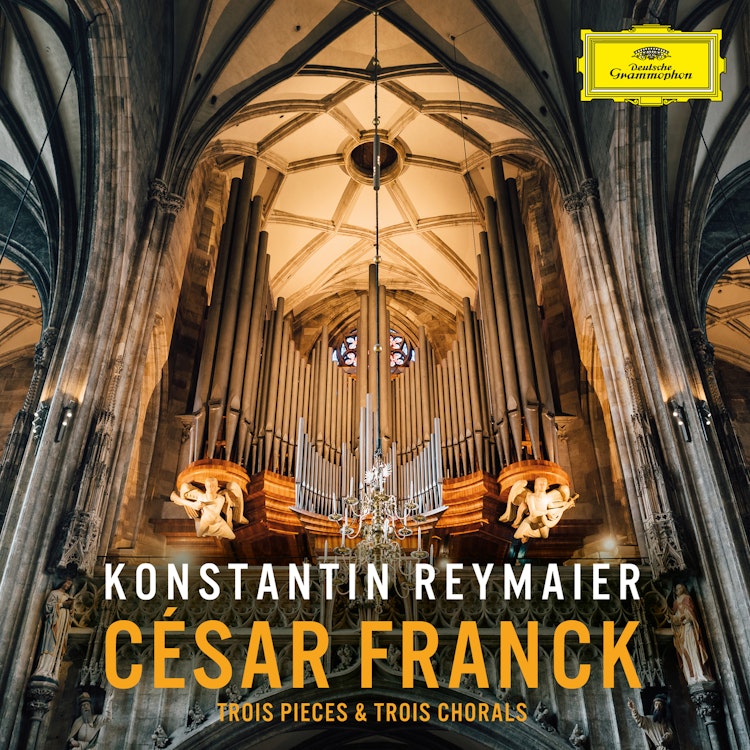
The performer, Konstantin Reymaier, chose to record on a modern instrument at St Stephen's Cathedral, aiming to capture the orchestral character of Franck's music while staying true to the sound world of Cavaillé-Coll organs.
Composition History
The Trois Chorals were written in the final year of César Franck's life and are considered his musical legacy, completed shortly before his death despite a traffic accident.
Performer Biography
Konstantin Reymaier, the performer on this album, is the Cathedral Organist at St Stephen's in Vienna and played a major role in the conception of the vast new organ there, completed in 2020.
Composer Biography
César Franck's father intended him to be a major pianist, but Franck was drawn to composition and the organ, leading to a falling out with his father.