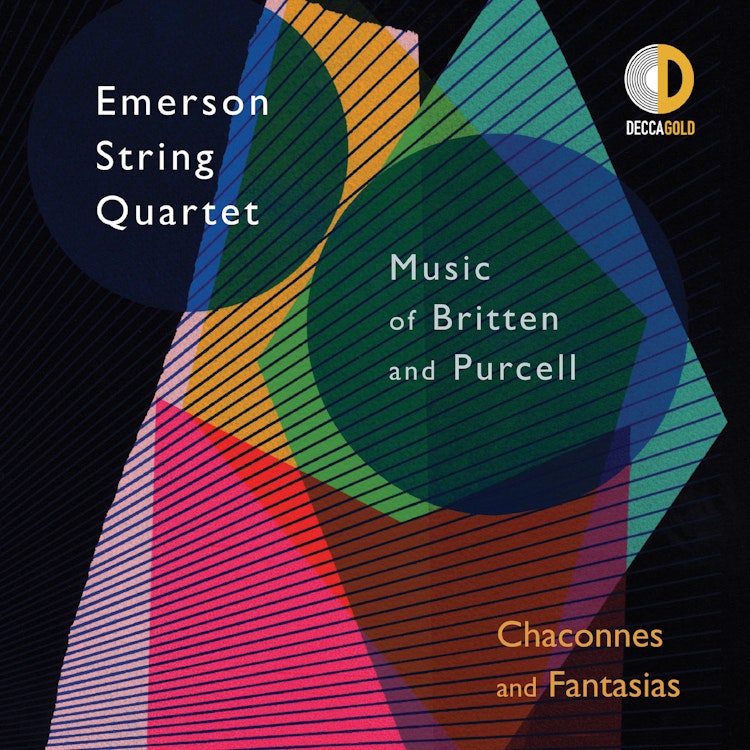
Chaconnes and Fantasias: Music of Britten and Purcell
4/21/2017, 13 Tracks, 1:13:42
Featuring
Eugene Drucker
Philip Setzer
Lawrence Dutton
Paul Watkins
Emerson String Quartet
Henry Purcell
Benjamin Britten
Did you know?
1/7
Composition History
Benjamin Britten's Third String Quartet, his last major work, was written in his final, illness-ridden years in October and November 1975, partly in Venice, a city he loved.
Composer's Artistic Vision
Benjamin Britten's music, while experimental, was deeply rooted in his extensive knowledge of older music, drawing inspiration from and breathing new life into old forms.
Composition History
Benjamin Britten's Second String Quartet was first performed on November 21, 1945, which was the exact 250th anniversary of Henry Purcell's death.
Compositional Technique
Henry Purcell's Chacony for four-part strings, while imitating the French chaconne, might be considered a passacaglia by modern definitions due to its eight-bar ground being repeated in different parts or pitches.
Composition History
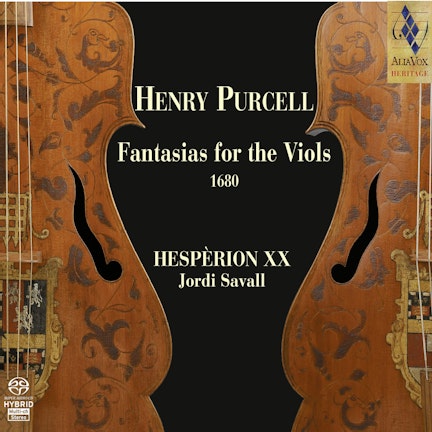
Henry Purcell's Fantazias for viol consort, the last works written in an English form stretching back to the mid-sixteenth century, were likely composition exercises from his youth.
Composer's Artistic Vision
The final movement of Benjamin Britten's Third String Quartet, subtitled 'La Serenissima' (a traditional name for Venice), quotes phrases and evokes bells from his opera 'Death in Venice'.
Compositional Technique
Benjamin Britten's Second String Quartet features an extended finale, titled 'Chacony,' which is modelled on Henry Purcell's Chacony, even in its idiosyncratic spelling.