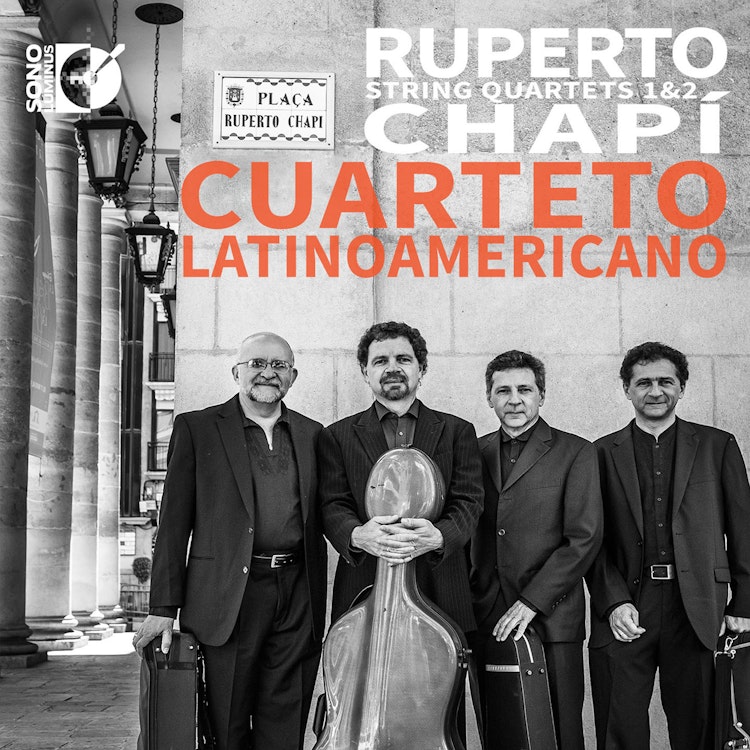
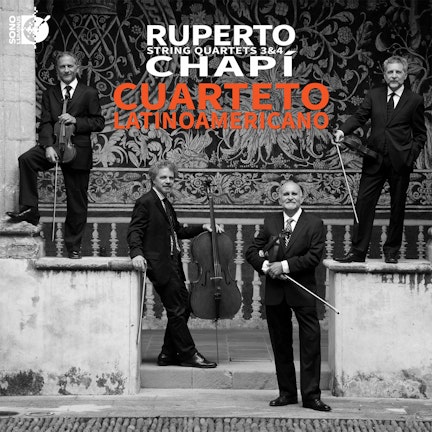
Ruperto Chapí masterfully captured the Spanish character in his string quartets, funneling the color and drama of zarzuela into the more abstract genre of the string quartet.
Composer Biography
Ruperto Chapí became one of the major exponents of zarzuela (Spanish lyric opera) in Spanish music history, achieving national success with 'La Tempestad' (1882) and later becoming a household name with 'La Revoltosa' (1897).
Composition History
Towards the end of his life, Ruperto Chapí, primarily known for zarzuela, became interested in chamber music and composed his four String Quartets, which are considered an important legacy of the post-romantic Spanish era.
Historical Context
After the death of Juan Crisóstomo Arriaga, known as the 'Spanish Mozart', the creation of string quartets in Spain entered a period of inactivity until the early 20th century.
Historical Context
The Cuarteto Francés, a string quartet formed in Madrid in 1901, encouraged local composers to write quartets, leading to the creation of the first Spanish Post-romantic masterpieces for the genre, including those by Ruperto Chapí.
Performer Biography
Cuarteto Latinoamericano, a Latin GRAMMY®-winning ensemble from Mexico, is known worldwide as a leading proponent of Latin American music for string quartet.
Composer Biography
Ruperto Chapí, a Spanish composer, began his musical studies at an early age in Villena, Alicante, before moving to Madrid at sixteen to study at the Conservatorio.
You might also enjoy...
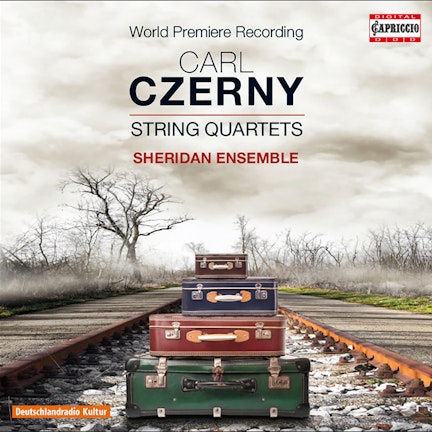
Czerny: String Quartets
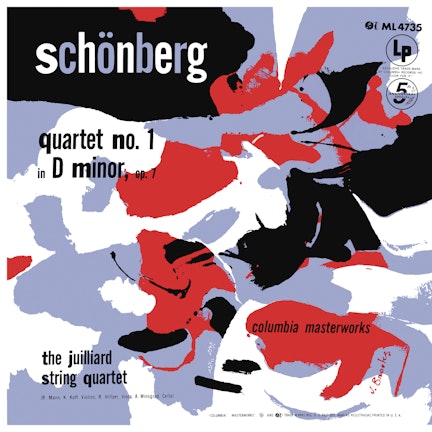
Schoenberg: String Quartet No. 1, Op. 7
The Zilliacus Quartet: Grieg, Maier, Röntgen - String Quartets