The famous 'Raindrop' Prélude, No. 15, has a three-part Nocturne structure and is characterized by the obsessive repetition of a single note.
Composer's Artistic Vision
The poet Charles Baudelaire compared Chopin's music to 'a brilliant bird hovering over the horrors of an abyss,' suggesting a profound and perhaps unsettling poetic depth.
Compositional Technique
Chopin's Prélude No. 2 in A minor was long criticized for its harmonic boldness and 'total emancipation of dissonance,' which supports a sorrowful melodic line.
Compositional Technique
In his Scherzo No. 2 in B flat minor, Op. 31, Chopin made the classical tripartite scherzo form more complex by adding a development section after the central trio.
Critical Reception
The Préludes, Op. 28, were considered fragmentary by commentators like Robert Schumann and Franz Liszt, with Schumann describing them as 'sketches, beginnings of studies, or, if you wish, ruins, individual eagle feathers, all jotted down in wild disorder.'
Compositional Technique
Chopin's Mazurkas served as an experimental laboratory for him, exploring form, harmony, and the integration of Polish folk traditions into his musical vocabulary.
Composition History
Frédéric Chopin published his 24 Préludes, Op. 28, in 1839, though he had been planning them since before 1838-39 and some pieces dated back to 1835-36.
You might also enjoy...
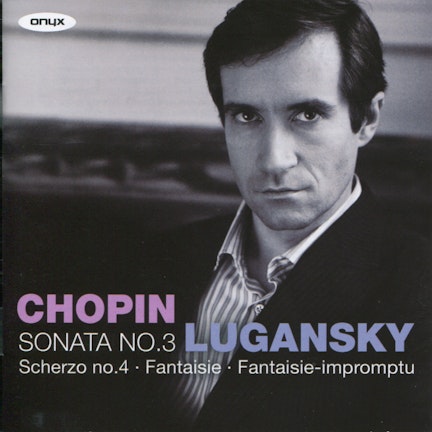
Chopin: Piano Sonata No. 3, Fantasie-impromptu, Prélude, Nocturne, et al.
The Chopin I Love
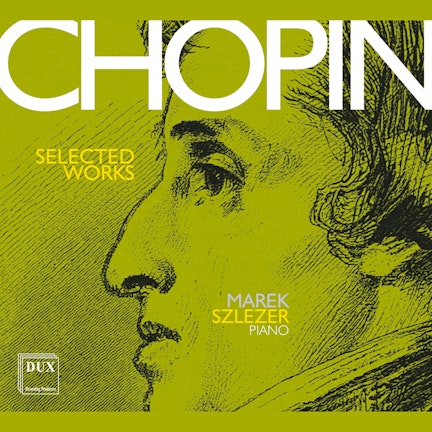
Chopin: Piano Works
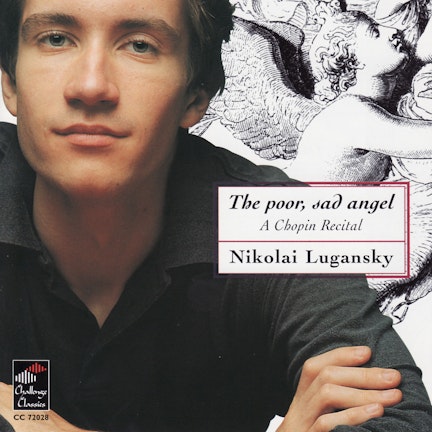
Chopin: The Poor, Sad Angel - A Chopin Recital
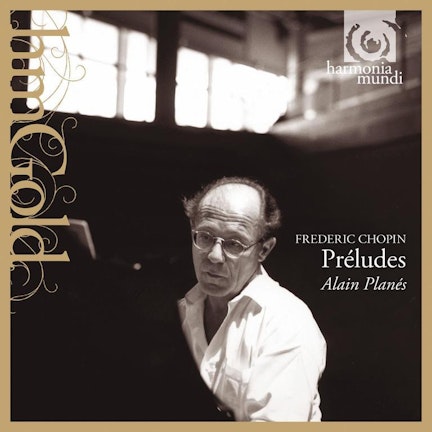
Chopin: Préludes, Op.28
Chopin intime
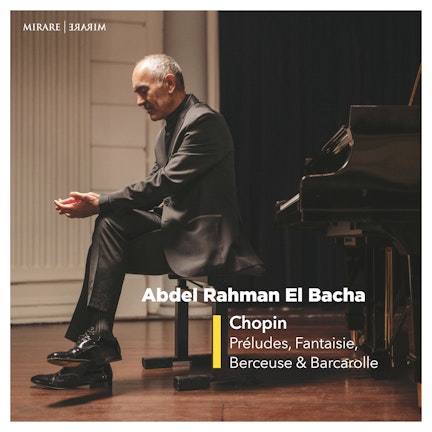
Chopin : Préludes, Fantaisie, Berçeuse et Barcarolle