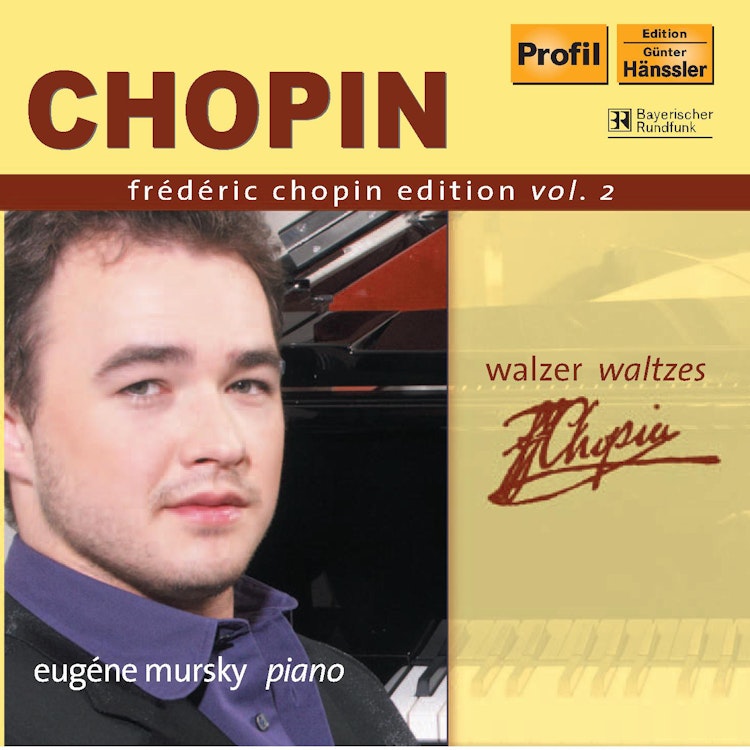
Chopin dedicated the Waltz op. 69/1, subtitled 'L'adieu', to his fiancée Maria Wodzinska as a farewell gift before traveling to meet the Schumanns, though their engagement ended two years later.
Historical Context
Around 1800, dancing the waltz was associated with sexual permissiveness and liberal middle-class behavior, often denounced by critics and moralists.
Recording & Production
This CD includes a world premiere recording of an alternative version of the Waltz in A flat major op. 34, which omits the usual final coda.
Historical Context
The close physical contact of the waltz was deemed detrimental to health and prohibited in Germany in 1791, with offenders facing a fine of 20 gulden per person.
Compositional Technique
Chopin's Waltz op. 42, considered a highlight of his waltzes, obscures the triple time with rhythmically contrasting movements and uses bold harmonic variants to heighten tension.
Composer's Artistic Vision
Chopin's waltzes, unlike popular dance waltzes, reflect poetic inspirations of festive elegance or mournful introversion, rather than direct erotic folk music.
Composition History
Chopin's waltzes were composed at a time when the dance itself was considered revolutionary, challenging the notion that they were merely trivial occasional pieces.
You might also enjoy...
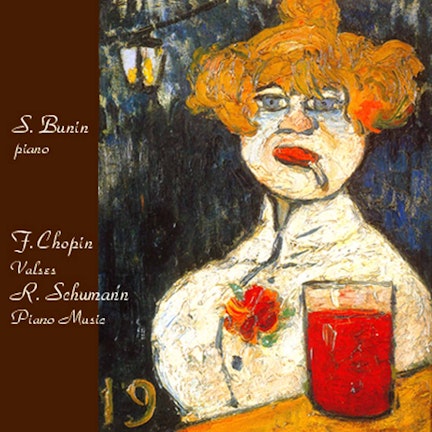
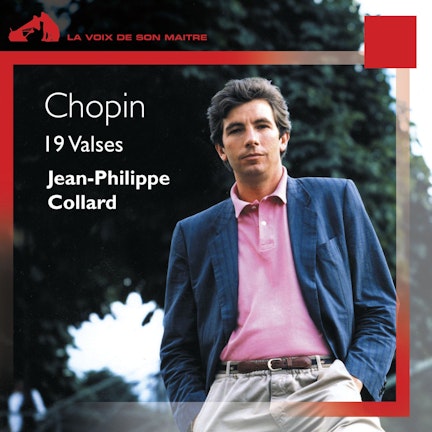
Bunin, piano. Chopin, valses. Schumann, piano music.
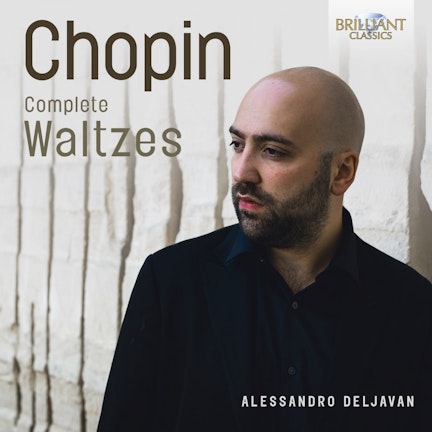
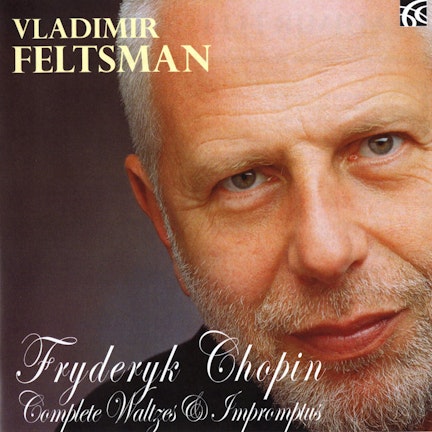
Chopin: Complete Waltzes
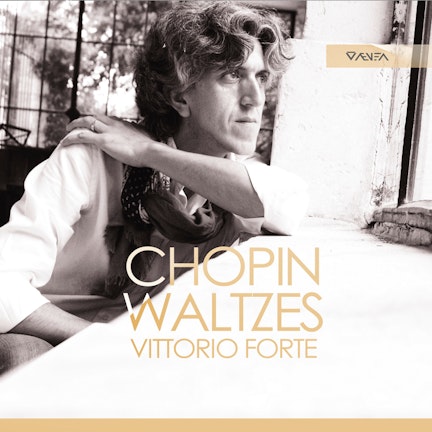
Chopin: Waltzes
Chopin Waltzes & Impromptus: Classic Library Series