Chopin: Piano Sonata No. 2, Op. 35 "Funeral March" - Beethoven: Piano Sonata No. 29, Op. 106 "Hammerklavier"
3/8/2024, 9 Tracks, 1:11:21
Featuring
Beatrice Rana
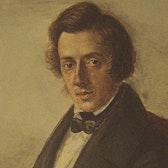
Frédéric Chopin
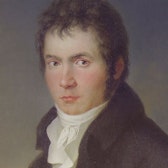
Ludwig van Beethoven
Did you know?
1/7
Interpretation
Beatrice Rana decided to learn Beethoven's 'Hammerklavier' Sonata during lockdown as a personal experiment, without initial ambitions to perform it publicly.
Album & Artwork
This album uniquely pairs Beethoven's 'Hammerklavier' Sonata and Chopin's 'Funeral March' Sonata, a combination rarely, if ever, seen on the same recording.
Performer Biography
Beatrice Rana, the pianist on this album, had not performed a Beethoven sonata in public for over ten years prior to this recording.
Instruments
Beatrice Rana's experience with period instruments like the Érard or Pleyel helped her understand Chopin's original pedalling, which was more about color than resonance on older pianos.
Interpretation
Beatrice Rana believes that following Chopin's dynamic indications is not always the best approach, as he frequently changed his mind, and a 'translation' is needed for modern pianos.
Compositional Technique
The final movements of both Beethoven's 'Hammerklavier' and Chopin's Sonata No. 2 are described as high-level experiments, with Beethoven's featuring a complex fugue and Chopin's having parallel hands throughout.
Composer's Artistic Vision
Chopin's Sonata No. 2, featured on this album, comes from a period when he was experimenting with sound, harmonies, and structure, making it very adventurous and visionary.
You might also enjoy...
Kosmos und Fragment
Reflecting Beethoven
Reflecting Beethoven
Moonlight Fantasies
Beethoven, Chopin & Brahms: Piano Works (Live)
Beethoven für Kinder
The Welte Mignon Mystery, Vol. 17
Lotte Jekéli plays Beethoven and Chopin
Opus 1
Quynh Nguyen plays Bach, Beethoven, Chopin and Ravel