Debussy, a prominent advocate of musical impressionism, prioritized harmony and timbre over melody, using suggestive figuration to evoke sensations beyond just sound.
Compositional Technique
Debussy's Estampes, particularly 'Pagodes,' draws inspiration from the gamelan sounds he heard at the 1889 Paris Exposition, using the Chinese pentatonic scale to evoke oriental bells and dances.
Performer Biography
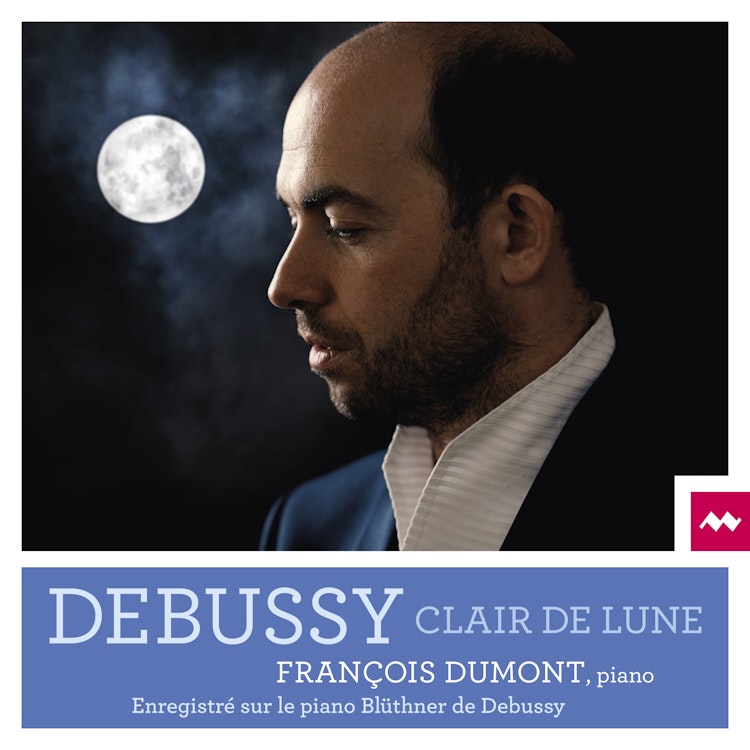
François Dumont, the pianist on this album, has won prizes at major international competitions including the Chopin Competition in Warsaw and the Queen Elisabeth Competition.
Recording & Production
This album is the first recording of Debussy's solo piano works made on the composer's own instrument.
Interpretation
Playing Debussy's music on his own piano was an 'aesthetic shock' for François Dumont, making him feel closer to a distant sound-world.
Instruments
The Blüthner piano features a unique fourth string, which adds harmonic richness and contributes to a magical sound with poetic imprecision and varied colors.
Instruments
The piano used for this recording is a Blüthner semi-grand, acquired by Debussy in 1904, which he used until his death in 1918.
You might also enjoy...
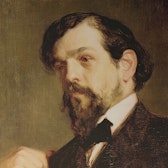
Claude Debussy
Debussy: Works for Two Pianos, Vol. 1
Reflets de la nature, miroirs de l'âme
Debussy, C.: Piano Music (Homage To Debussy)
Debussy: Préludes, Pour le piano, L'Isle joyeuse, Images, Suite bergamasque, Arabesques
Debussy: Piano Music
Debussy: The Complete Piano Music
Debussy: Images
debussy integrale inachevee
Debussy: Piano Works, Vol. 1
Debussy: The Complete Piano Works, Vol. 1
Belle Epoque: Debussy Intégrale de l'œuvre pour piano II