Hindemith treated traditional movement types in non-traditional ways, such as combining different genres within a single movement or playing an entire work without pause.
Recording & Production
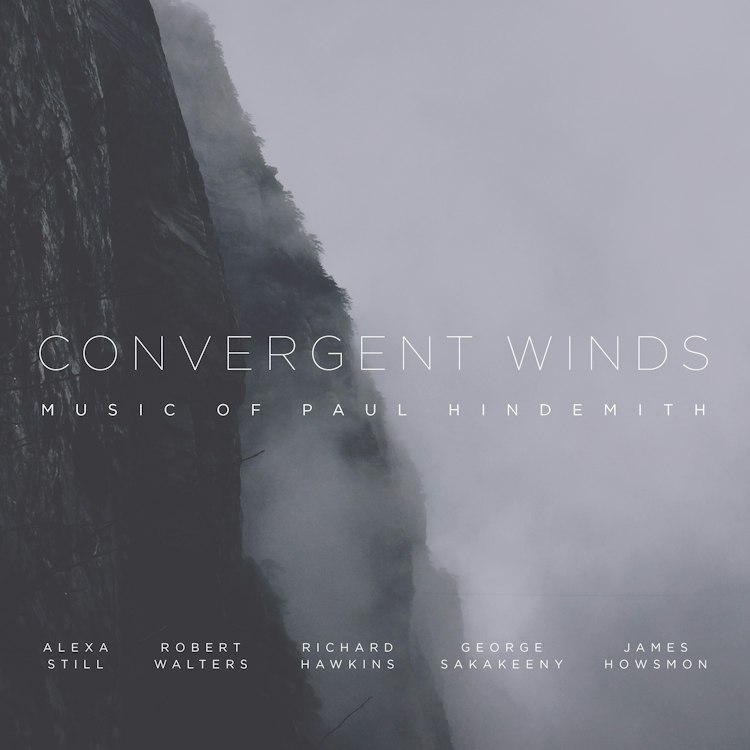
This album was recorded in Clonick Hall at the Oberlin Conservatory of Music, which is dedicated to capturing studio sessions.
Composer's Artistic Vision
Hindemith rejected atonality and dodecaphony, instead reforming tonality by using all twelve tones in relation to a central tone, rather than only to one another.
Historical Context
The woodwind sonatas were composed between 1936 and 1941, a period during which Hindemith's position in Nazi Germany became untenable due to his wife's Jewish ancestry, leading to his emigration.
Compositional Technique
Hindemith's sonatas combine traditional sonata elements with personal touches, using clearly established keys but defining them in a non-traditional way with distant harmonies.
Composer Biography
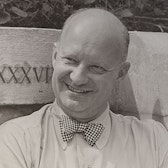
Paul Hindemith (1895-1963) began his career as a violinist and later became a renowned solo violist, also claiming he could play any orchestral instrument with practice.
Composition History
Hindemith composed sonatas for every single member of the string, woodwind, and brass families, and even for solo harp, to address the lack of solo literature for some instruments.
You might also enjoy...
Music for Brass and Piano
Bruns: Chamber Music for Woodwinds
Kalliwoda, J.W.: Symphony No. 1 (Arr. for Piano 4 Hands) / 3 Grand Marches / Grosse Sonate, Op. 135
Virtuoso Trombone Concerts Of Romance
August Hendrik Winding, L Nielsen, Gioacchino Rossini, Niels Wilhelm Gade, Philippe Gaubert & Robert Schumann: Fantasiestücke - Fantasies