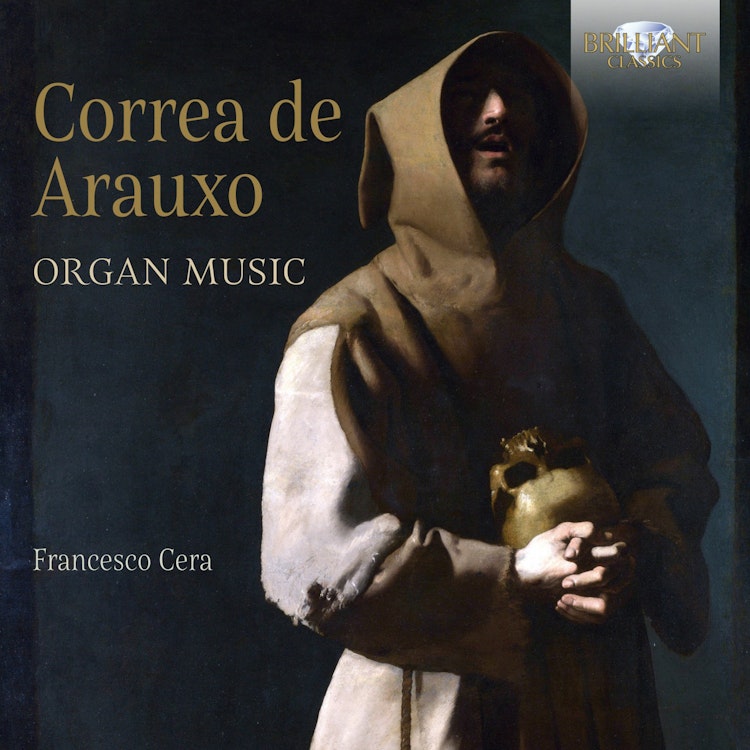
Correa de Arauxo's only surviving work, the Facultad orgánica, was printed in 1626 and contains compositions, theoretical writings, and a guide to composition.
Composer Biography
Francisco Correa de Arauxo, the composer, was an organist, cleric, and rector of the fraternity of priests at Seville's Collegiate Church of San Salvador.
Compositional Technique
Correa de Arauxo's discursos de música are structured in five or six blocks, often featuring a resolution in the final section that is independent of earlier parts, similar to endings in novels and plays of the period.
Composer's Artistic Vision
Correa de Arauxo used dissonance in his music to evoke the hardships faced on the path to paradise, while also incorporating moments of repose and humor.
Performer Biography
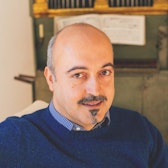
Francesco Cera, the performer, is an Italian early music specialist known for his extensive knowledge of musical styles and expressions, having studied with Gustav Leonhardt.
Instruments
The organ used for this recording, in Garrovillas de Alconétar, is likely the oldest Spanish organ still in playing condition, retaining most of its original pipes from around 1550.
Instruments
The Renaissance organ in Garrovillas de Alconétar has a high original pitch, a tone and a half above 440 Hz, which was reinstated during its 1990 restoration.
You might also enjoy...
S:t Eskilsmassan
POST
Vibrations of Time
A Hidden Life
Chaconne in F Minor, P. 43
Dance with Wolves: Main Theme
Danna: Mother Teresa
Balli, battaglie e canzoni: 16th Century Music for Organ and Percussion
Pomp and Dreams - The great Romantic Sound of Musica Variata