Cras, J.: 5 Robaiyats / La Flute De Pan / Fontaines / L'Offrande Lyrique / Douceur Du Soir / Soir Dur La Mer / 2 Chansons
1/1/2004, 25 Tracks, 1:03:25
Featuring
Lionel Peintre
Alain Jacquon
Catherine Estourelle
Simion Stanciu
Jean-Marc Phillips-Varjabédian
Pierre Lénert
Henri Demarquette
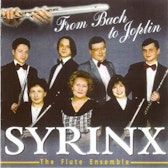
Syrinx Ensemble
Jean Cras
Did you know?
1/7
Composer's Artistic Vision
Jean Cras's music is characterized by tough, sincere inspiration, free from fashion, and possesses a distinguished elegance, reflecting his assiduous solitary toil.
Composer's Artistic Vision
Jean Cras shared a privilege with Mussorgsky, an intuitive feeling for the world of children, with its purity and sense of marvel, often expressed through luminous plagal cadences.
Compositional Technique
For his work "La Flûte de Pan," Jean Cras used an ancestral pan-pipe, which only produces seven specific notes, creating a significant harmonic constraint that he overcame with constant enharmony and modality.
Composer Biography
Jean Cras began composing at the age of six and later, during his naval career, met Henri Duparc, who became a significant mentor, guiding him in music rather than providing scholastic teaching.
Composer Biography
Jean Cras, a French composer, successfully balanced a brilliant naval career with composing, rising to the rank of rear-admiral while creating significant musical works.
Compositional Technique
Jean Cras invented a protractor-rule, a navigational instrument that still bears his name and is used to plot positions on naval charts.
Composer Biography
During World War I, Jean Cras commanded a torpedo boat in the Adriatic, earning a citation for heroic actions, and completed his opera Polyphème during port calls.
You might also enjoy...
McLean / Eakin / Hamilton / Hutcheson: Piano Works
Music of Gerald Busby
Sous l'Empire d'Amour - French Songs for Mezzo-Soprano and Lute