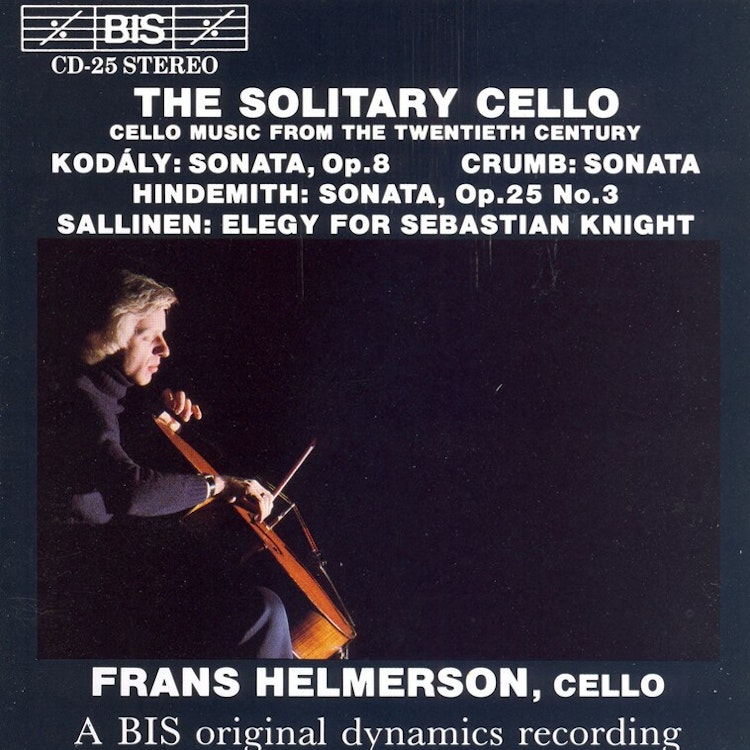
Crumb / Hindemith / Kodaly / Sallinen: Works for Solo Cello
6/30/1995, 12 Tracks, 59:32
Featuring
Frans Helmerson
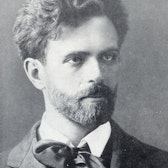
Zoltán Kodály
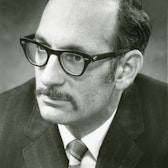
George Crumb
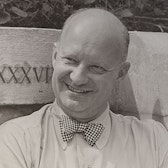
Paul Hindemith
Aulis Sallinen
Did you know?
1/7
Composer's Artistic Vision
For Kodály, art was not an end in itself, but a means to express contemporary feelings and ideas, mirroring folk music and giving voice to outer reality without diminishing the artist's personal reaction.
Composition History
Paul Hindemith once wrote four movements of his Sonata for Solo Cello, Op. 25 No. 3, in a single evening during a composition competition in Donaueschingen in July 1922.
Composer Biography
Paul Hindemith was a highly versatile composer who could play almost any orchestral instrument and was a viola virtuoso, having supported himself by playing in dance bands and orchestras.
Composition History
Zoltán Kodály was the first composer to significantly expand the cello repertoire with a major solo piece since Bach's suites, almost two hundred years earlier.
Composer Biography
Zoltán Kodály and Béla Bartók, two foundational figures in contemporary Hungarian music, met through a woman they both admired and began their musical expeditions into the Hungarian countryside from her salon in 1905.
Compositional Technique
Kodály's Sonata for Solo Cello uses techniques like tuning down the bottom strings to B and F sharp, left-handed pizzicato, arpeggios, chords, tremolos, and trills to create an expressive and colorful sound.
Performer Biography
Frans Helmerson, the cellist on this recording, won top prizes at the 1971 Cassadó competition in Florence, the 1971 Geneva competition, and the 1973 Munich competition.
You might also enjoy...
La Kobsa
Weinberg: Complete Music for Solo Cello, Vol. 1
Sonata for Solo Cello, Op. 8: I. Allegro maestoso ma appassionato
Ligeti: Sonata for Cello Solo
Kodály: Sonata for Solo Cello, Op. 8
Britten: Cello Suites
Scelsi: Trilogia, I tre stadi dell'uomo (for cello)
Cello Sonata in C-Sharp Minor, Op. 134: I. Andante (Completed by V. Blok)