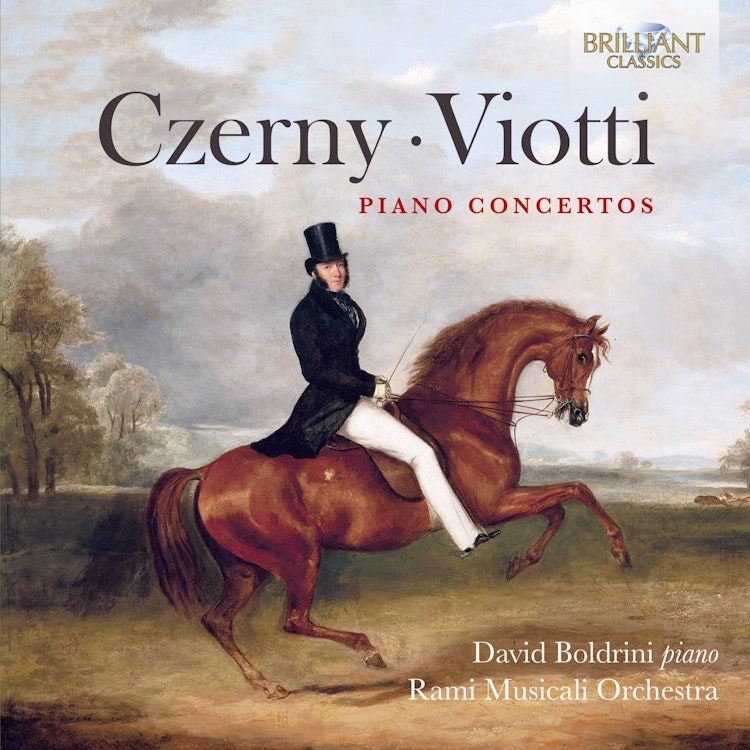
Giovanni Battista Viotti (1755-1824) is considered the father of modern Italian violin playing and was one of the first concert performers in the contemporary sense.
Compositional Technique
Viotti's piano compositions demonstrate that well-constructed melody and harmony, combined with rhythmic variety, are key ingredients of 'absolute music' that can be fully expressed on any instrument.
Historical Context
The 'Biedermeierzeit' (1815-1848) was a period of rising middle-class influence in the German Confederation and Austrian Empire, characterized by public concerts for new audiences.
Composer's Artistic Vision
Carl Czerny's concertos feature surprising innovations in melody, harmony, rhythm, and counterpoint, preparing the way for later Romantic composers like Schumann and Liszt.
Cultural Impact
Viotti's violin concertos significantly influenced later Romantic compositions for the instrument, including works by Niccolò Paganini, Beethoven, and Brahms.
Composer Biography
Carl Czerny, born in Vienna in 1791, was a pupil of Ludwig van Beethoven for three years, during which time their relationship grew into one of great esteem and friendship.
Composition History
Viotti's Concerto for piano in G minor (Wi19) was originally composed for piano, not violin, and was premiered in 1791 by Daniel Gottlieb Steilbelt, who also transcribed the work.
You might also enjoy...
Dvorak, A.: Piano Concerto / Schoenfield, P.: 4 Parables
Dohnanyi: Piano Concertos Nos. 1 and 2
Schumann: Concerto for Piano and Orchestra in A minor op. 54; Liszt: Totentanz
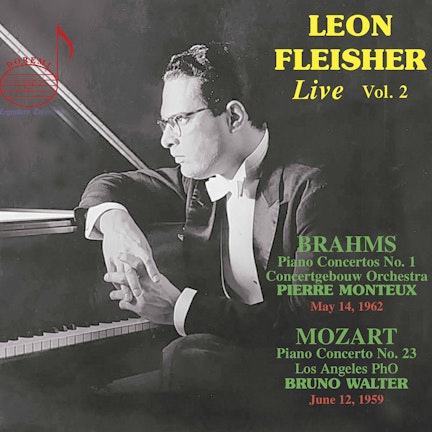
Leon Fleisher, Vol. 2: Brahms & Mozart (Live)
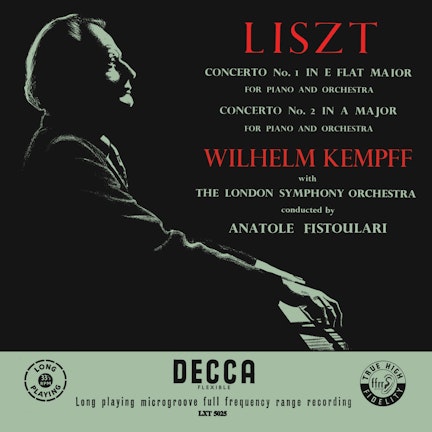
Liszt: Piano Concerto No. 1; Piano Concerto No. 2
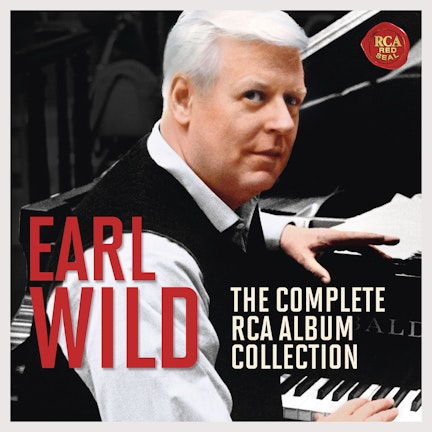
Earl Wild - The Complete RCA Album Collection
Franck: Les Djinns & Variations symphoniques - Tchaikovsky: Piano Concerto No. 1, Op. 23
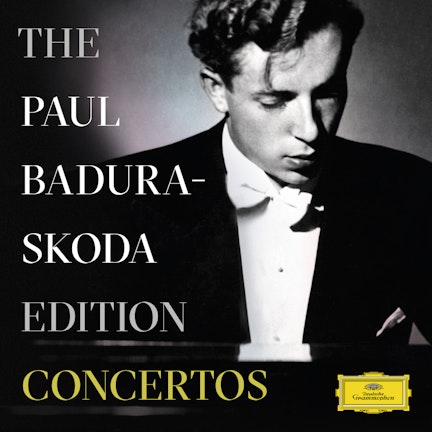
The Paul Badura-Skoda Edition - Concerto Recordings
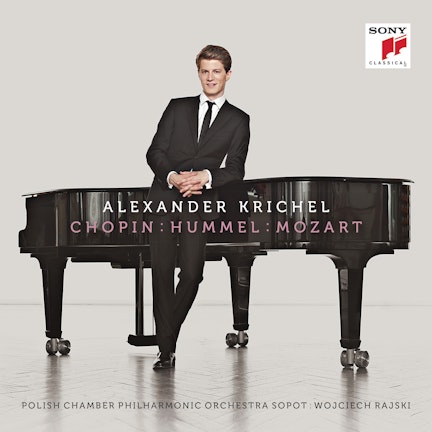
Chopin - Hummel - Mozart
Piano Concerto vol. 3
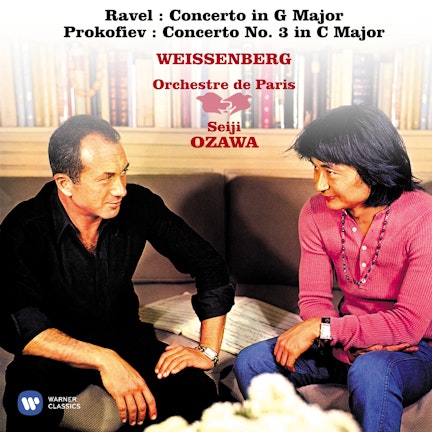
Ravel: Piano Concerto in G Major - Prokofiev: Piano Concerto No. 3 in C Major, Op. 26