Despite theological differences, Catholic and Protestant composers often inspired each other, with figures like Luther enjoying Catholic music and Schütz studying with Gabrieli.
Album & Artwork
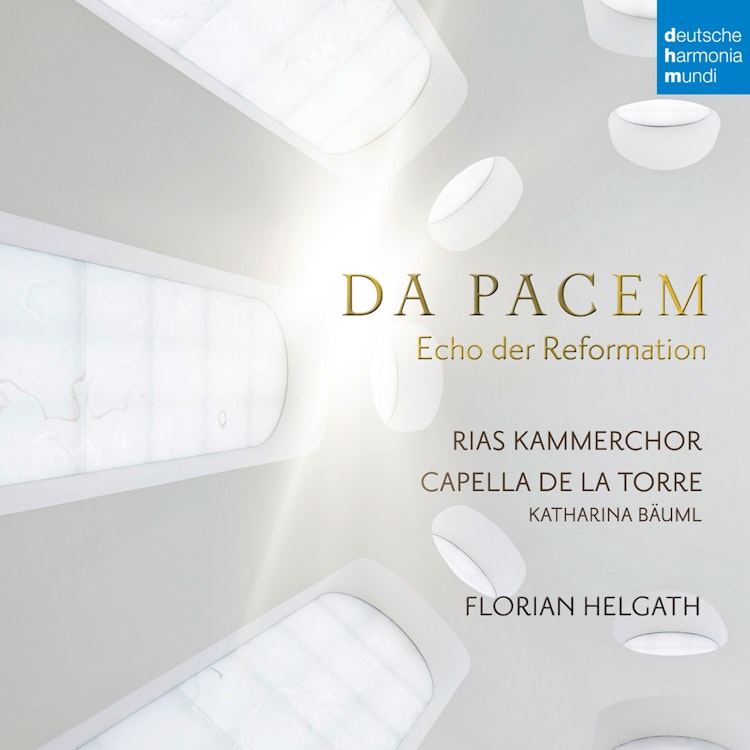
The album's leitmotif is the 9th-century Gregorian antiphon "Da pacem, Domine" (Grant us peace, Lord), reflecting humanity's desire for peace.
Instruments
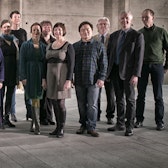
Capella de la Torre, one of the performing ensembles, features a variety of historical instruments including cornetto, shawms, sackbuts, dulcians, violins, viola da gamba, violone, organ, and theorbo.
Recording & Production
This recording is a coproduction with Deutschlandradio Kultur and Rundfunk Orchester und Chöre GmbH Berlin.
Cultural Impact
Luther's chorales, many with texts and melodies he wrote, established a successful tradition in church music, making singing in the vernacular a hallmark of the Protestant Church.
Historical Context
The album explores the musical impact of the Reformation, a movement that began on October 31, 1517, with Martin Luther's Ninety-Five Theses.
Composer's Artistic Vision
Martin Luther, a key figure in the Reformation, believed music was a divine gift, second only to theology, capable of driving out evil and bringing joy.
You might also enjoy...
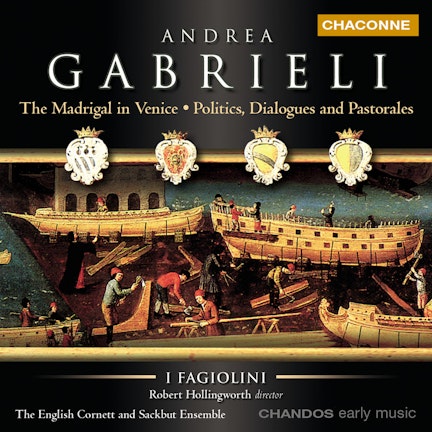
Gabrieli: Madrigals
Salazar: Complete Vespers of Our Lady
Amavi: Music for Viols & Voices by Michael East
Musik am Salzburger Fürstenhof gewidmet Wolf Dietrich von Raitenau
Glaubenslieder: Neue Kantaten zum Kirchenjahr
Grainger: Works for Large Chorus and Orchestra
Rogier: Un Office de mariage a la cour d'Espagne - Romero: Un office pour l'Ordre de la Toison d'Or
Cristóbal de Morales: Mass for the Feast of St. Isidore of Seville