Because the manuscript for the Capricci lacks expression and rhythm indications, the performer must interpret 18th-century practice to provide a historically coherent rendering.
Composition History
The only surviving version of Dall'Abaco's 11 Capricci for solo cello is a handwritten 19th-century manuscript, suggesting it was copied after his death.
Recording & Production
The pieces by Jean-Daniel Braun, a flautist and composer, were included on this album because they show a remarkable affinity with Dall'Abaco's Capricci.
Composer Biography
Joseph Marie Clément Ferdinand Dall'Abaco, the composer of the Capricci, was once described by a coffeehouse servant as "a rowdy gossipmonger, who played billiards and sometimes dice or other table games."
Historical Context
Dall'Abaco was once implicated in a large swindle involving 35,820 Royal Thalers and accused of spreading untruths about the Prince Elector of Cologne, narrowly avoiding severe punishment.
Instruments
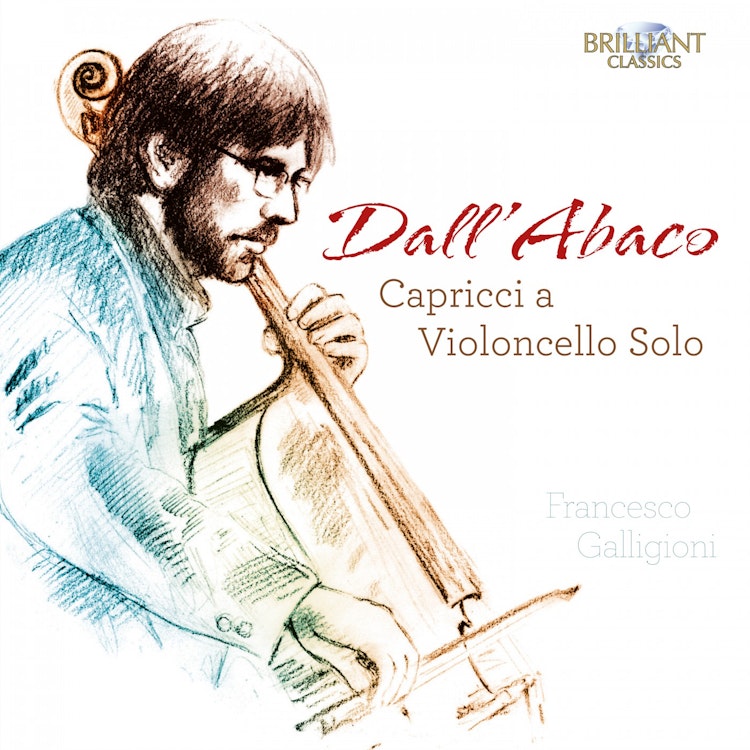
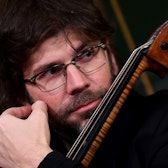
Francesco Galligioni, the cellist on this recording, plays a cello made by Paolo Antonio Testore in 1740 and a viola da gamba dating back to the early 1700s.
Compositional Technique
The Capricci often feature elements of virtuoso display and improvisation, and many pieces are pervaded by a melancholic vein, especially those in a minor key.
You might also enjoy...
Kummer: Cello Duets
Rorem: Double Concerto / After Reading Shakespeare
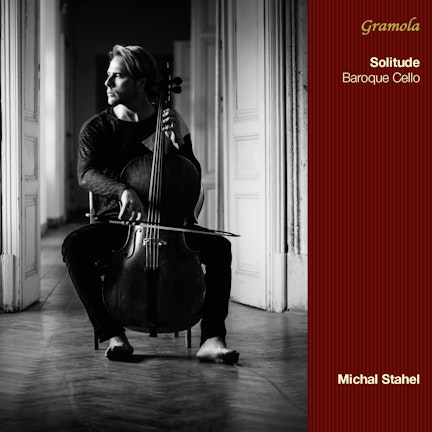
Solitude
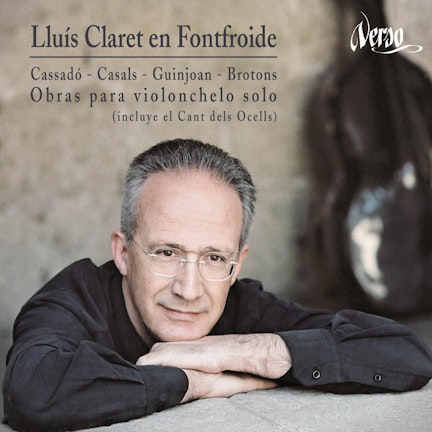
Lluís Claret en Fontfroide: Obras para violonchelo solo
Medek: Cello Concerto No. 1, Eine Stele für Bernd Alois Zimmermann & Schattenspiele