Robert Schumann dedicated his Davidsbündlertänze, Op. 6, to Walther Freiherr von Goethe and made his courtship of Clara Wieck the subject of the work, quoting a motif from her Mazurka in the opening piece.
Composition History
Franz Liszt composed the Tarantella as the last of three character pieces in the cycle Venezia e Napoli in 1859, published as a supplement to his Années de pèlerinage.
Composer Biography
Marko Tajčević, composer of Balkan Dances, came from Yugoslavia, a country that no longer exists, similar to the album's performer, Mirjana Rajić.
Album & Artwork
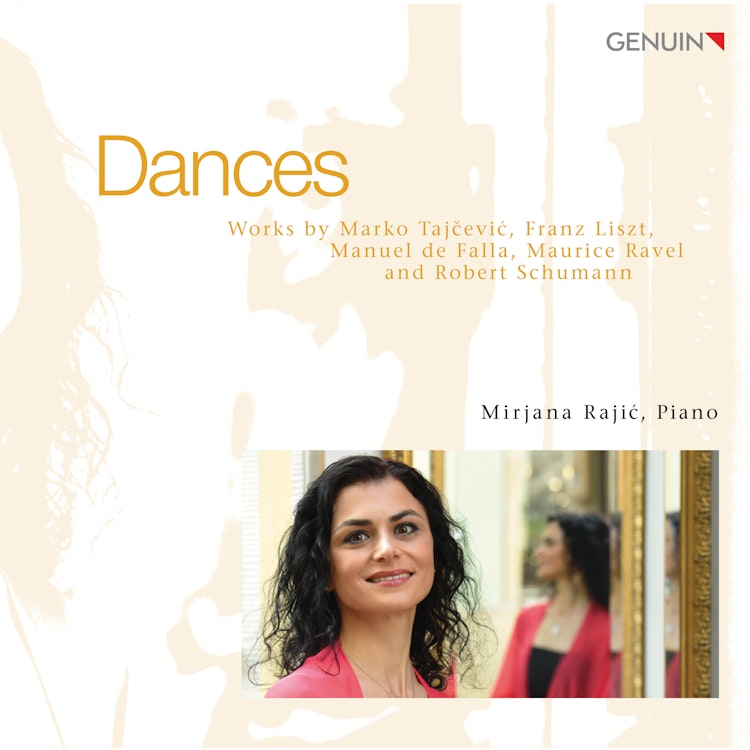
The album is a declaration of love for dance, featuring a selection of pianist Mirjana Rajić's favorite dances for piano.
Cultural Impact
According to an ancient myth, the Tarantella dance is an antidote to the poisonous bite of the tarantula, requiring the bitten person to dance to exhaustion to expel the poison.
Composition History
Manuel de Falla composed the ballet El amor brujo with a flamenco vocal part in 1915, and later arranged the Fire Dance for solo piano in 1921 due to its popularity.
Compositional Technique
Maurice Ravel's Valses nobles et sentimentales, a suite of eight waltzes, is a kaleidoscope of the Viennese waltz tradition, drawing inspiration from composers like Franz Schubert and Johann Strauss.
You might also enjoy...
Ravel, Schumann & Mussorgsky: Works for Piano (Live)
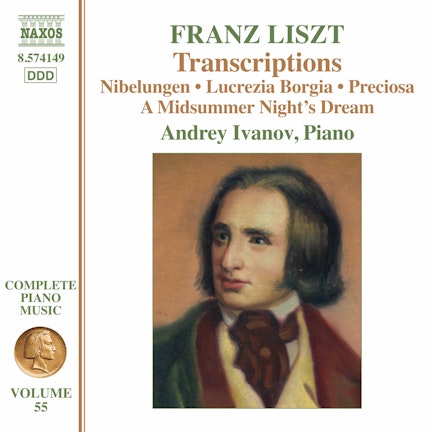
Liszt Complete Piano Music, Vol. 55: Transcriptions
Clara Schumann gewidmet
Sergio Fiorentino: The Legacy, Vol. 3
Carte Blanche
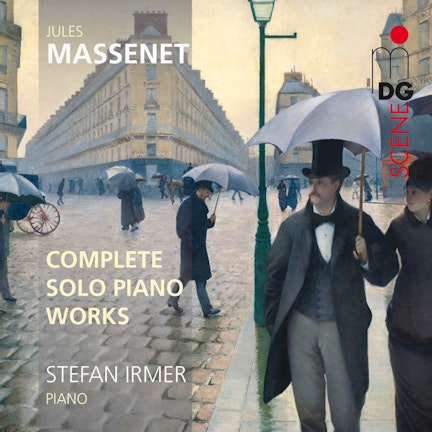
Massenet: Complete Piano Works
The Complete Denon Recordings 2003-2007
Sydney International Piano Competition of Australia 2008 (Vol. I: Solo Highlights)
Sydney International Piano Competition Of Australia 2008
Tchaikovsky: Complete Solo Piano Music, Vol. 2
Night Stories
Debussy Circle (Piano Music from the XIXth Century, France)