Brahms concluded his Handel Variations with a gigantic four-part fugue, treating the austere theme freely by inverting it or broadening it into long notes.
Composer's Artistic Vision
In his Handel Variations, Brahms sought to create a new poetic climate and expressiveness in each variation, maintaining the atmosphere of Handel's theme even when the notes differed.
Composition History
Brahms's Variations and Fugue on a Theme by G.F. Handel, op. 24, bears the handwritten dedication 'Variationen für eine liebe Freundin' ('Variations for a dear friend').
Composer Biography
The 'dear friend' for whom Brahms likely wrote his Handel Variations was Clara Schumann, who gave the work's first public performances.
Compositional Technique
The theme for Brahms's Handel Variations is an aria from one of the three Lessons Handel wrote for the daughters of the Prince of Wales.
Compositional Technique
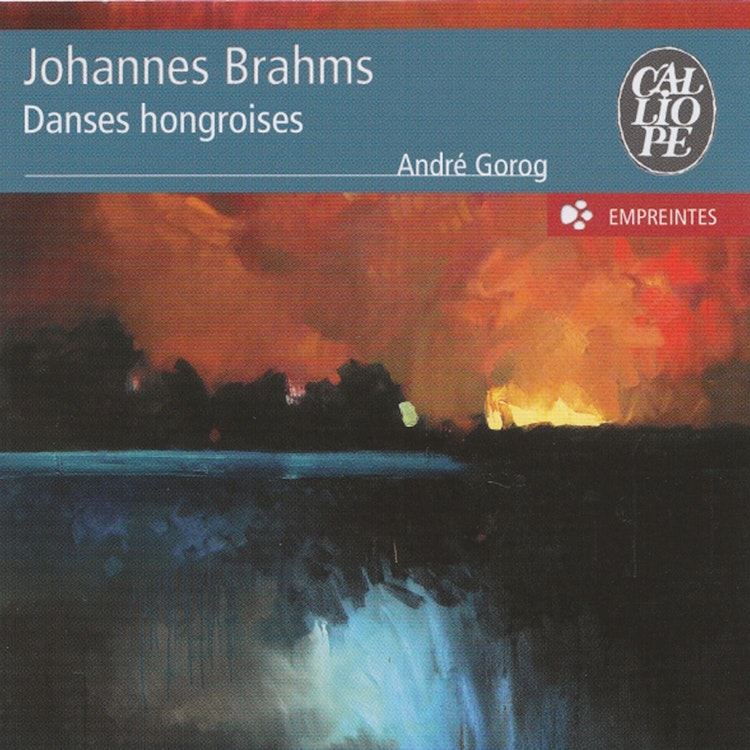
Brahms's Hungarian Dances for two hands are not merely reductions of the original four-hand version; some passages are even richer.
Interpretation
Playing the Hungarian Dances as a piano solo allows the performer complete rhythmic freedom, including improvisation, to express the essential rallentando and accelerando.
You might also enjoy...
Flemish Music Heritage: Ryelandt - Piano Sonatas 1
Brillon de Jouy: The Piano Sonatas Rediscovered
Maria Yudina: Works by Bach, Beethoven, Brahms & Mussorgsky (Les indispensables de Diapason)
Round Midnight
Liszt: Transcriptions of J.S. Bach
Farrenc: Complete Piano Works, Vol. 1 - Études
Kathryn Woodard
Haydn: Piano Sonata No. 62 - Weber: Piano Sonata No. 3
Menahem Pressler, Vol. 1: Mendelssohn
Impressôes
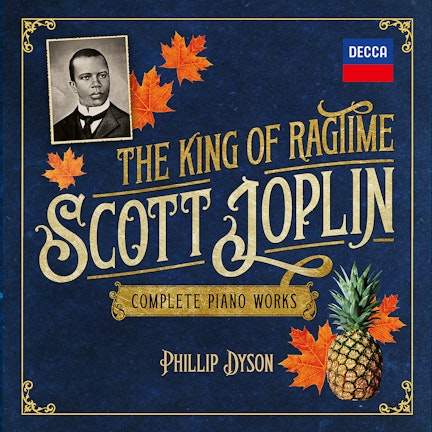
Scott Joplin – The King of Ragtime: Complete Piano Works
Daybreak, Contemporary Music for Trombone and Piano
Early Piano Works by Burgmüller, Chopin, Schumann & Schuncke