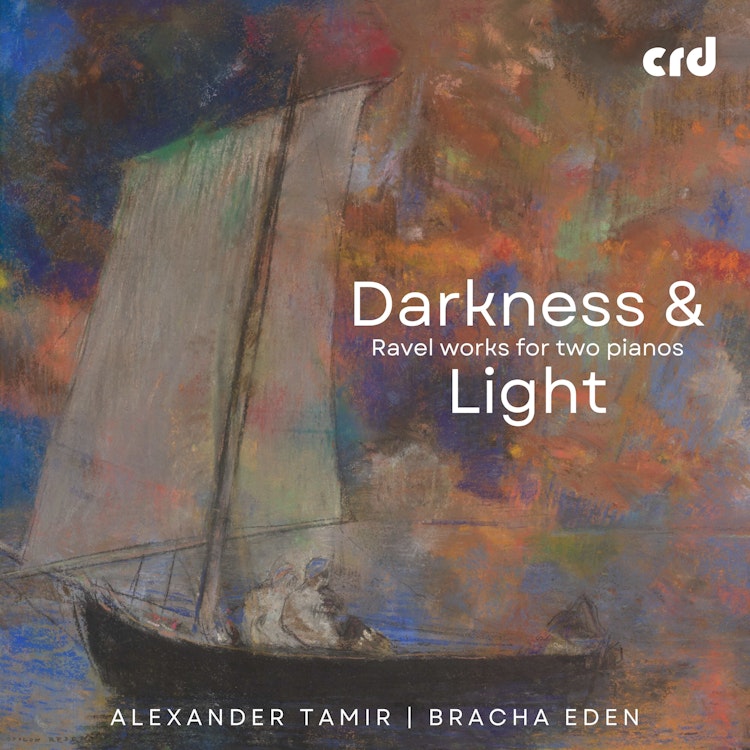
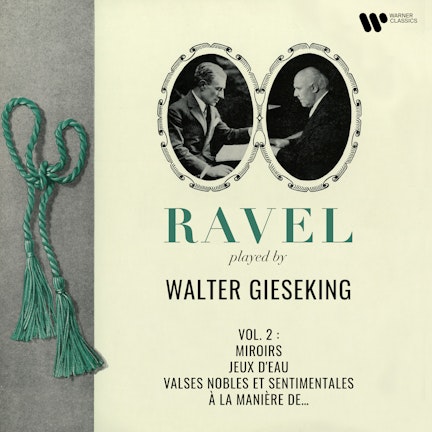
This recording, originally from 1983, has been remastered digitally for the first time to mark CRD's 50th anniversary.
Composer Biography
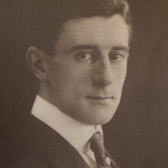
Maurice Ravel, being half-Basque through his mother, did not consider Spanish art or music exotic and imbued anything connected to his mother with emotional significance.
Composer's Artistic Vision
Maurice Ravel believed that a first-class composer should be able to write a really good waltz, often quoting Brahms's self-deprecating remark about The Blue Danube.
Instruments
The pianos used for this recording were two Steinway grand pianos, specifically models 430910 and 430936.
Performer Biography
The pianists, Alexander Tamir and Bracha Eden, were known for expanding the duo piano repertoire and were responsible for introducing Lutoslawski's Paganini Variations to audiences outside Europe.
Performer Biography
Alexander Tamir and Bracha Eden were the first to record Stravinsky's The Rite of Spring for two pianos, a suggestion made by Stravinsky himself.
Composer Biography
Maurice Ravel retained many childlike characteristics throughout his life, including a love of toys and fairy tales, and would often play with toys in nurseries at adult parties.
You might also enjoy...
Ravel: Favorite Flavours - Works for 2 Pianos
Ravel: Music for 2 Pianos
Ravel: Works for 2 Pianos & Piano Duet
Piano Twins
Maurice Ravel, Claude Debussy
Pavane and Other Works
Debussy: Early Piano Works
Maurice Ravel: Complete works for solo piano
Ravel: Complete Works for Solo Piano
Ravel: Miroirs, Jeux d'eau, Valses nobles et sentimentales & À la manière de...