Alphons Diepenbrock, an autodidactic composer, left behind a personal oeuvre of about 100 mostly vocal compositions.
Compositional Technique
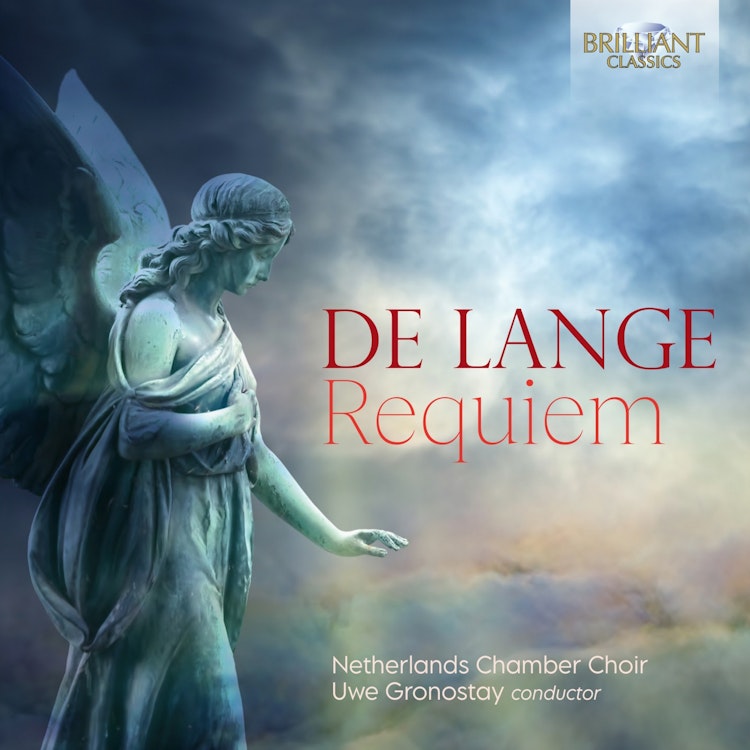
Daniël de Lange's Requiem, composed in 1868, is set for two four-part choirs and two four-part solo ensembles, reflecting choral practices of the late 16th and early 17th centuries, yet with a contemporary musical idiom.
Composer Biography
Daniël de Lange, born into a Rotterdam family of musicians, traveled with his brother Samuel to present-day Poland, Ukraine, and Romania to give concerts.
Composition History
Daniël de Lange's Requiem was only discovered in 1972 by Willem Noske, despite being listed in a catalogue from the 1950s.
Composition History
Julius Röntgen's motet "Wider den Frieden" (1920) is a counterpart to his earlier eight-voice motet "Wider den Krieg" (1914), both written for the choir of the Thomaskirche in Leipzig and its cantor, Karl Straube.
Composer's Artistic Vision
Alphons Diepenbrock's understanding of music was influenced by architect Pierre Cuypers, who taught him that Gothic architecture's strength lay in each detail having both structural and decorative value.
Composer Biography
Julius Röntgen, a prominent pianist and composer, moved to Amsterdam in 1878 and later became director of the Amsterdam Conservatory from 1912 to 1924, succeeding Daniël de Lange.
You might also enjoy...
Fauré Requiem etc.
Faure: Requiem
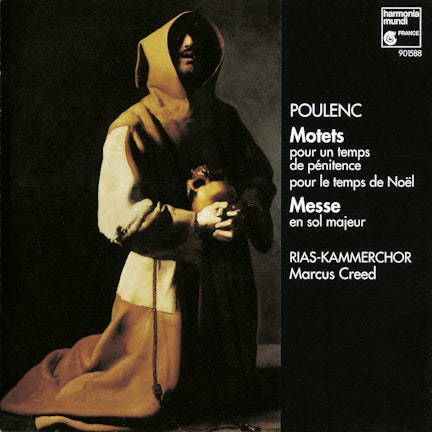
Poulenc: Sacred Music for Unaccompanied Mixed Chorus
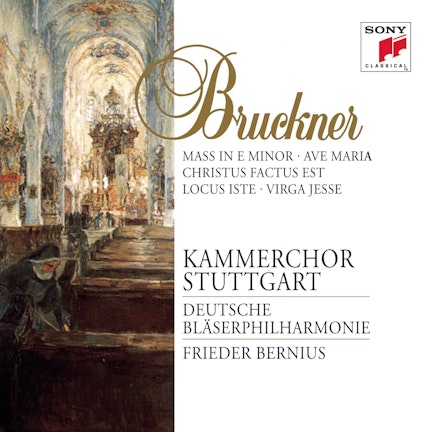
Bruckner: Mass in E Minor; Motets
Poulenc: Gloria & Motets
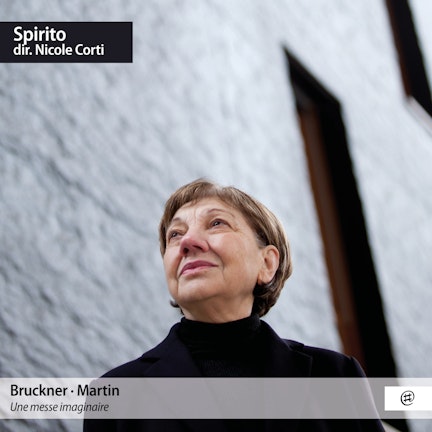
Bruckner, Martin: Une messe imaginaire
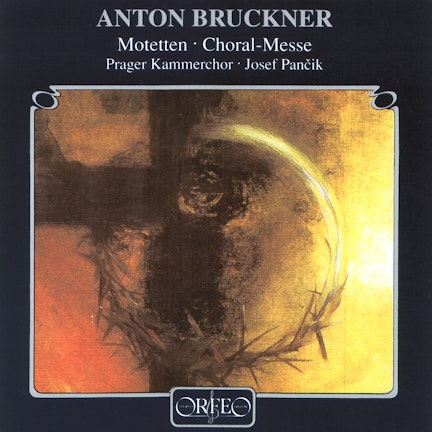
Bruckner: Motets & Choral Music
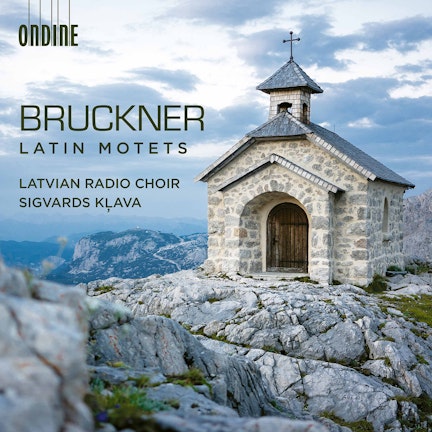
Bruckner: Latin Motets
F. Poulenc - Oeuvres Sacrées
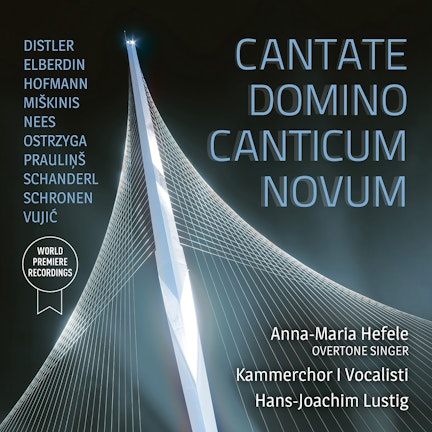
Kammerchor I Vocalisti: Cantate Domino Canticum Novum