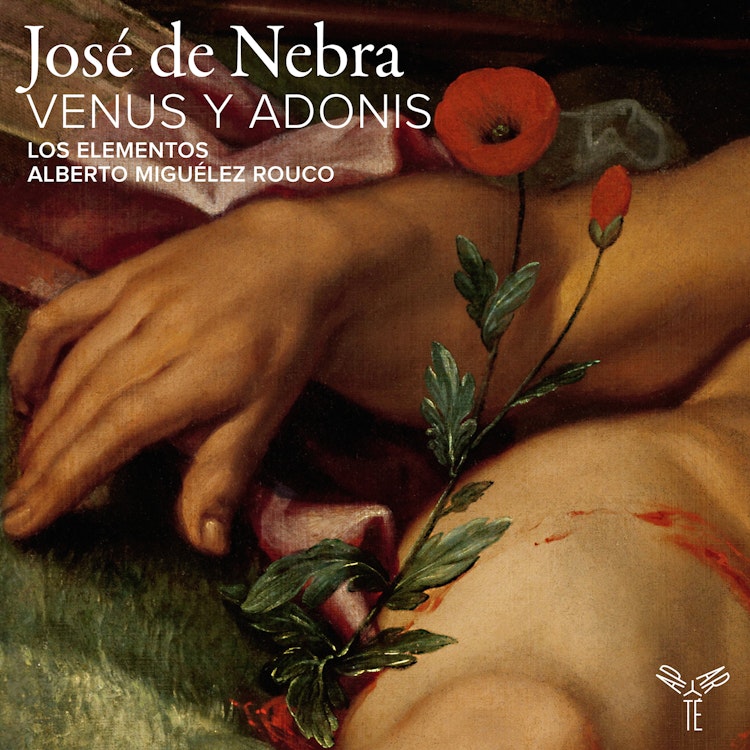
José de Nebra, the composer, was one of the most important Spanish composers of the 18th century, known for his extensive theatrical and sacred works.
Composition History
Venus y Adonis is a pastoral melodrama composed in 1729 as the second part of Las tres comedias en una, and is one of two preserved operas from Nebra's youth.
Composer's Artistic Vision
Despite his defense of Spanish tradition, Nebra's music shows clear Italian influence, expertly integrated with Hispanic folklore and taste in his operas, zarzuelas, and religious compositions.
Compositional Technique
Nebra's Venus y Adonis features an aria with a distinctly Spanish character, 'Cualquiera mozuela,' combining a fandango and a zarambeque, a popular dance of African origin.
Recording & Production
The musical manuscript for Venus y Adonis only preserved parts for the first violin, voices, and bass, requiring extensive reconstruction of the remaining orchestral instruments for this recording.
Historical Context
Nebra was considered a defender of Spanish musical tradition against the 'Italian invasion' of composers like Farinelli, Corselli, Scarlatti, and Conforto, who dominated the Madrid court.
Composition History
This recording of Nebra's Venus y Adonis is a world premiere, part of a project by Los Elementos to make his vast oeuvre known, starting with his complete stage works.
You might also enjoy...
Verdi: Nabucco (1949 - Naples) - Callas Live Remastered
Bellini: I puritani (Recorded 1952)
Wagner: Die Walküre, WWV 86b
Strauss: Elektra
Verdi: Aida
Rossini: Armida (1952 - Florence) - Callas Live Remastered