Debussy believed music was made for the ears, not just for paper, stating, "We concentrate too much on 'writing' we make music to put down on paper, when it is meant for the ears!"
Compositional Technique
Debussy's Préludes, numbering twenty-four like Chopin's, are characterized by serenity and allow the composer to express sensations and impressions freely.
Cultural Impact
Claude Debussy, who died in 1918, never heard jazz music, as the first jazz recording was released just a year before his death.
Cultural Impact
Jazz musicians like Duke Ellington, Miles Davis, and John Coltrane cited Debussy as a model for emancipation and pioneering artistry, despite Debussy not having heard jazz.
Critical Reception
Debussy's early works, like Prélude à l'après-midi d'un faune, provoked reactions ranging from hostility to extravagant enthusiasm, indicating his revolutionary impact.
Composer's Artistic Vision
Debussy aimed to free music from cumbersome traditions, stating, "all I am seeking to do... is to rid music of its heritage of cumbersome traditions, falsely interpreted."
Recording & Production
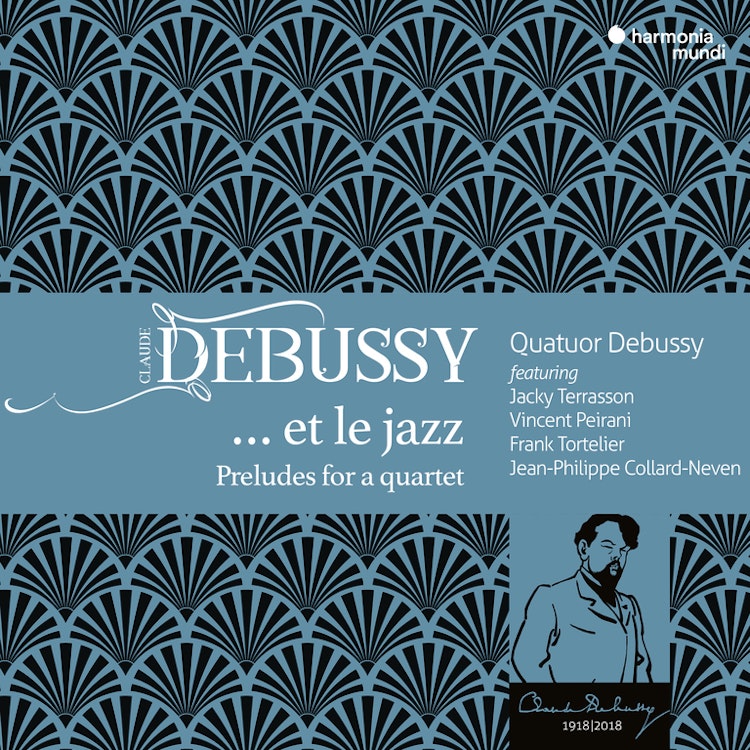
This album is part of harmonia mundi's celebration of Debussy, a century after his death, offering new interpretations of his works.
You might also enjoy...
Hommage à Boulez
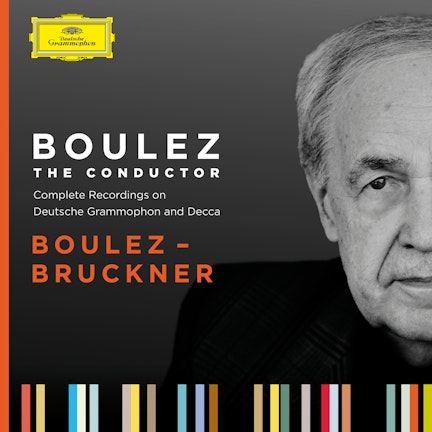
Boulez A-Z: Boulez - Bruckner
Adès: Living Toys
Volans: This Is How It Is / Walking Song / Leaping Dance / Concerto for Piano and Wind Instruments
Yellow Butterfly. Latin American Favourites
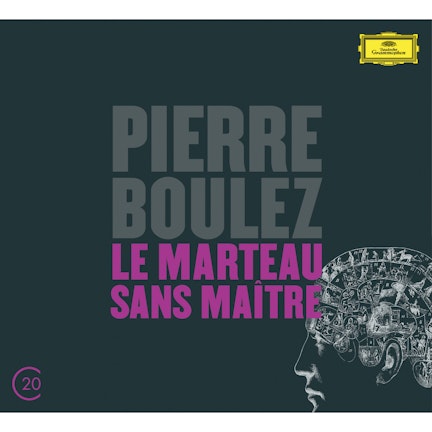
Boulez: Le Marteau Sans Maître; Dérive 1 & 2
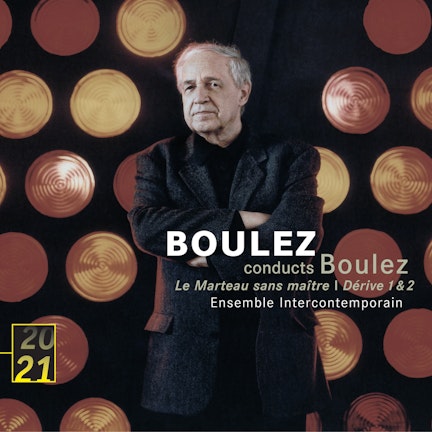
Boulez: Le Marteau sans maitre; Derive 1 & 2
Zhou: Tales From the Cave / Secluded Orchid / Heng / Valley Stream
Profanes Et Sacrées: 20th Century French Chamber Music