Debussy: La Damoiselle élue, Le martyre de Saint Sébastien & Nocturnes
4/1/2022, 8 Tracks, 1:08:52
Featuring
Melody Louledjian
Emanuela Pascu
Mikko Franck
Choeur de Radio France
Orchestre Philharmonique de Radio France
Maîtrise de Radio France
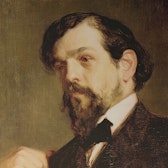
Claude Debussy
Did you know?
1/7
Composer's Artistic Vision
For his Nocturnes, Debussy wrote descriptive texts for each movement, likening them to paintings: "Nuages" (Clouds), "Fêtes" (Festivals), and "Sirènes" (Sirens).
Composition History
Debussy's La Damoiselle élue was his third submission to the Institut as a winner of the Prix de Rome, and was generally well-received despite its "systematic tendencies towards vagueness."
Composer's Artistic Vision
Claude Debussy advised listening to "the wind that passes and tells us the history of the world" for inspiration, rather than heeding human advice.
Compositional Technique
Debussy's Nocturnes for orchestra were originally conceived for solo violin and orchestra for Eugène Ysaÿe, a Belgian virtuoso violinist, but the project was abandoned.
Critical Reception
The premiere of Le Martyre de saint Sébastien was met with lukewarm enthusiasm due to its nearly five-hour length and the Archbishopric of Paris's injunction against attending it.
Critical Reception
La Damoiselle élue was admired by Ernest Chausson, a French composer, and Odilon Redon, a French Symbolist painter, who even gave Debussy a lithograph.
Recording & Production
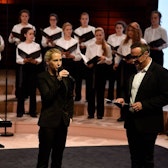
The recording of Le Martyre de saint Sébastien was made in September 2020, La Damoiselle élue in September 2019, and Nocturnes in August 2020, all at the Auditorium de la Maison de la Radio.
You might also enjoy...
Debussy: La damoiselle élue. Poème Lyrique, L.62; Prélude à l'après-midi d'un faune, L.86; Images For Orchestra - 2. Ibéria, L.122
Debussy: La mer, L. 109; Prélude à l'après-midi d'un faune, L. 86; & Danses sacrée et profane, L. 103
Debussy: Orchestral Works, Vol. 4
Stephane Deneve conducts Debussy
Debussy: Images pour orchestre & Danses
Debussy: Orchestral Music
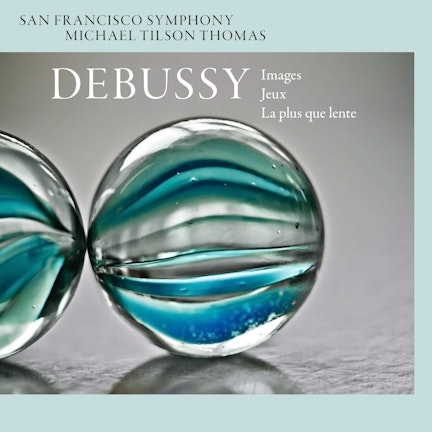
Debussy: Images, Jeux, & La plus que lente
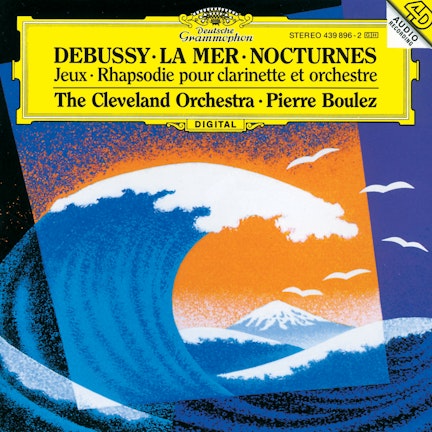
Debussy: Nocturnes; Première Rhapsodie; Jeux; La Mer
Debussy: Prélude à l'après-midi d'un faune, Nocturnes, La mer & Berceuse héroïque
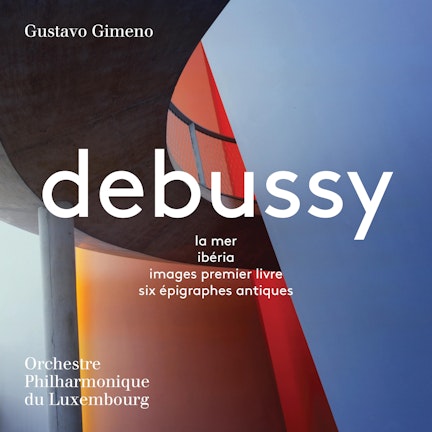
Debussy: La mer, Ibéria, Images & 6 Épigraphes antiques