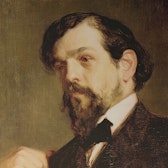
Claude Debussy, the composer, began piano lessons at age seven and later studied with Verlaine's mother-in-law, who claimed to be a pupil of Chopin.
Critical Reception
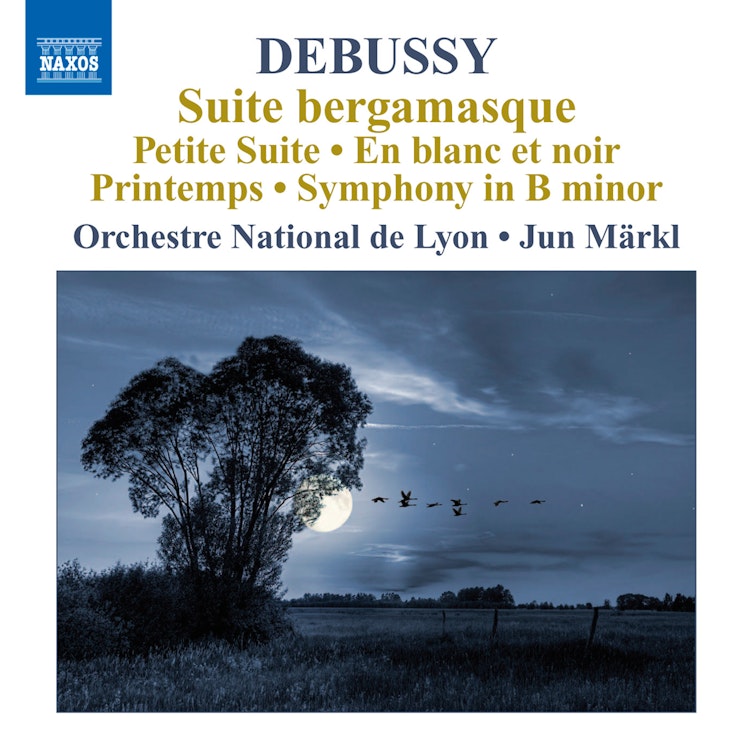
An official report on Debussy's Printemps criticized his search for musical color as exaggerated and used the term "impressionism" in a derogatory way to describe his music.
Composer Biography
At eighteen, Debussy was employed by Nadezhda von Meck, Tchaikovsky's patroness, as a tutor to her children and house-musician.
Composition History
Debussy's En blanc et noir (In white and black), originally for two pianos, reflects the circumstances of wartime and national danger in 1915.
Compositional Technique
In the second movement of En blanc et noir, Debussy evokes Germany by quoting the Lutheran chorale Ein feste Burg and France with oblique references to the Marseillaise and bugle calls.
Composition History
The orchestral version of Debussy's Printemps was reconstructed in 1912 by Henri Büsser, under Debussy's supervision, after the original score was destroyed in a fire.
Critical Reception
Debussy's opera Pelléas et Mélisande, which established him as an important composer, was a "succès de scandale" (scandalous success) two years after his Nocturnes.
You might also enjoy...
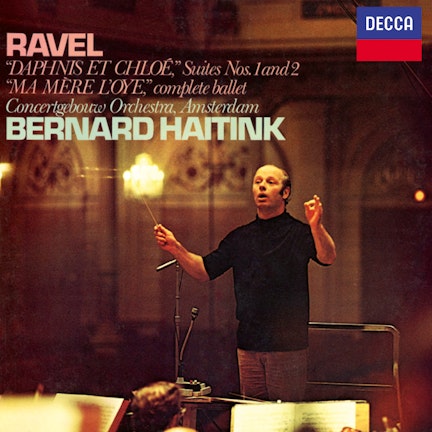
Ravel: Daphnis et Chloé Suites Nos. 1 & 2; Ma mère l'oye
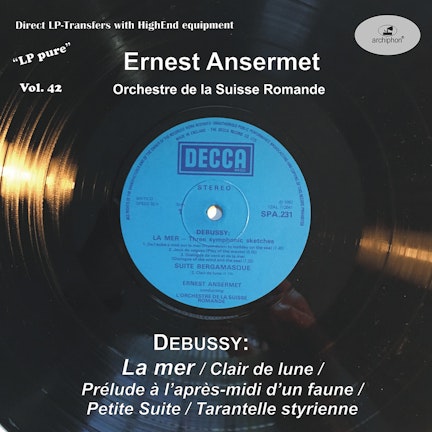
La mer
Svetlanov conducts Ravel (Live)
Svetlanov Conducts Ravel (Live)
Debussy Orchestrated
Debussy: Children's Corner; La boîte à joujoux; Printemps; La plus que lente
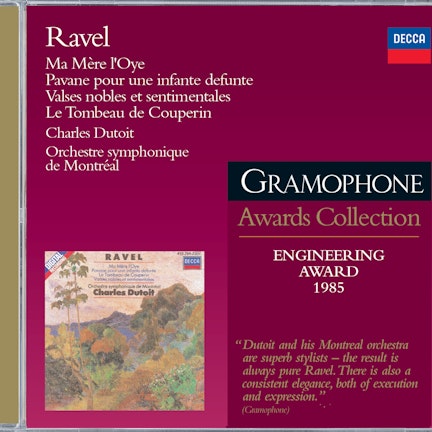
Ravel: Ma Mère L'Oye/Pavane pour une Infante Défunte etc.