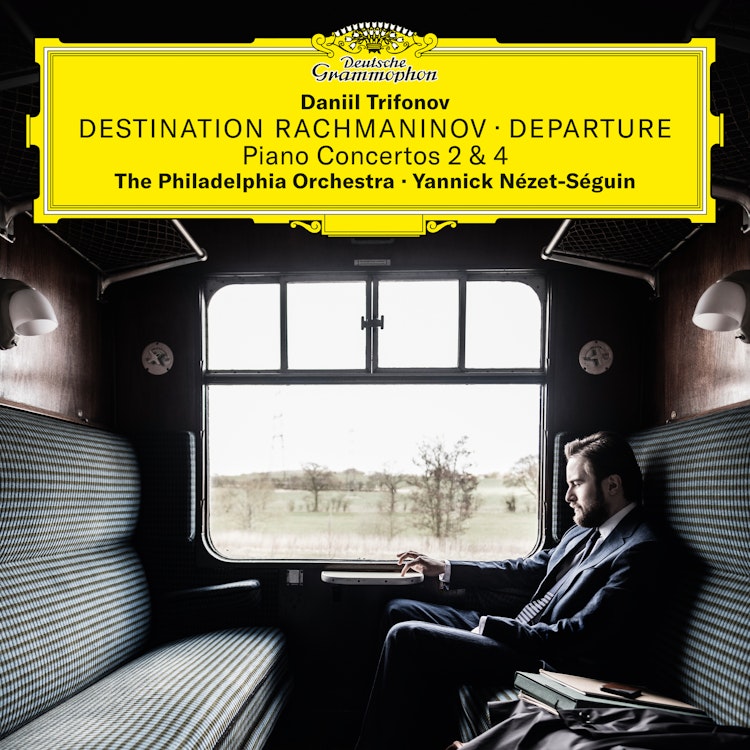
Winner of the BBC Music Magazine Award 2019 (Concerto)
Featuring
Yannick Nézet-Séguin
Daniil Trifonov
The Philadelphia Orchestra
Sergei Rachmaninoff
Did you know?
1/7
Compositional Technique
Despite its sentimental connection, Daniil Trifonov considers Rachmaninov's Second Piano Concerto to be one of his least Romantic works, describing it as more Classical due to its simplicity, polyphony, and counterpoint.
Composer Biography
Rachmaninov's cousin and conservatory professor, Alexander Siloti, was a pianist, conductor, and composer who mentored and promoted the young Rachmaninov.
Historical Context
Rachmaninov's Fourth Piano Concerto was written in 1926, almost a decade after he left Russia following the Bolshevik Revolution, during a period when he was a celebrated piano virtuoso touring extensively.
Composer's Artistic Vision
Daniil Trifonov, the pianist on this album, states that each of Rachmaninov's four piano concertos has a very specific musical language, synthesizing his musical interests and aesthetic preoccupations at the time of its composition.
Critical Reception
Critical reception for Rachmaninov's Fourth Concerto was mixed, largely because audiences expected it to be similar to his successful Second Concerto, which had become a repertoire staple.
Composer's Artistic Vision
For his Fourth Piano Concerto, Rachmaninov did not look back to earlier styles but instead incorporated contemporary influences like jazz, film music, and industry, resulting in a 'jazzy, mechanical' feel.
Composition History
Rachmaninov's Second Piano Concerto, which made him world-famous, began with the second movement, based on a Romance he composed for the Skalon sisters in 1890.
You might also enjoy...
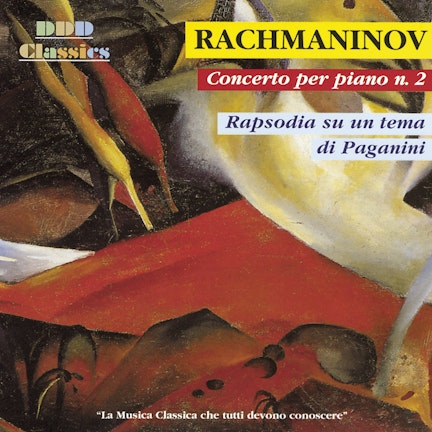
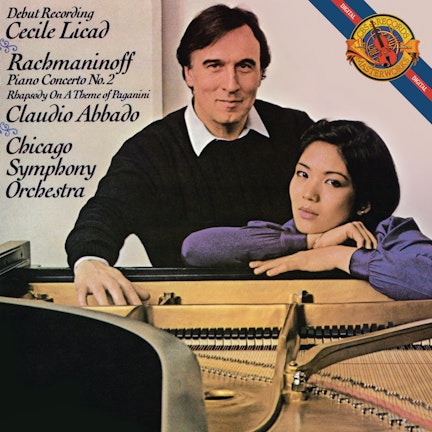
Rachmaninoff: Concerto No.2 for Piano and Orchestra in C minor, Op.18; Rhapsody on a theme of Paganini, Op.43
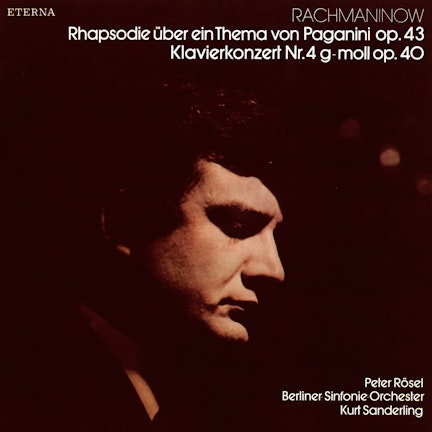
Rachmaninow: Rhapsodie über ein Thema von Paganini / Klavierkonzert No. 4
Infinity Digital: Concerto No.2 for Piano and Orchestra in C minor, Op.18; Rhapsody on a theme of Paganini, Op.43
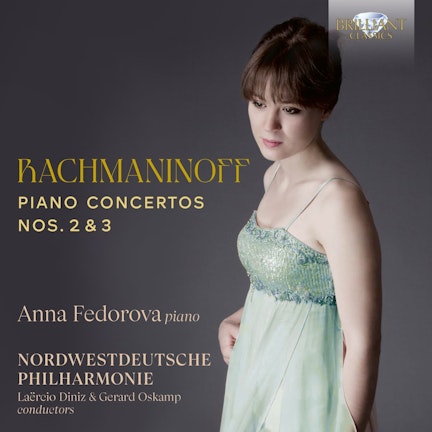
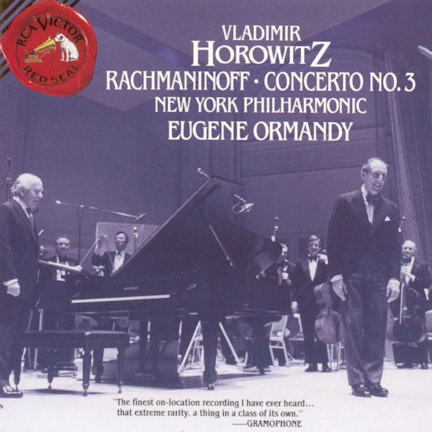
Rachmaninoff: Piano Concerto Nos. 2 & 3
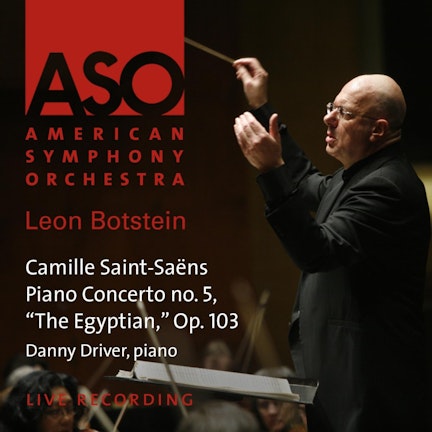
Saint-Saëns: Piano Concerto No. 5, Op. 103
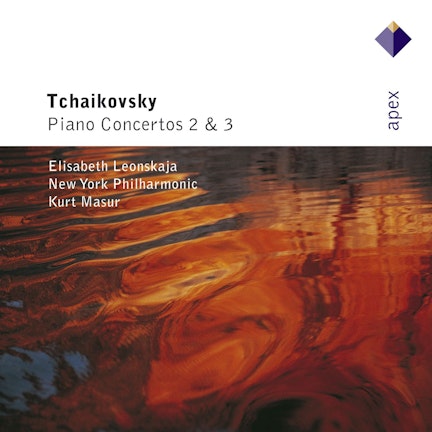
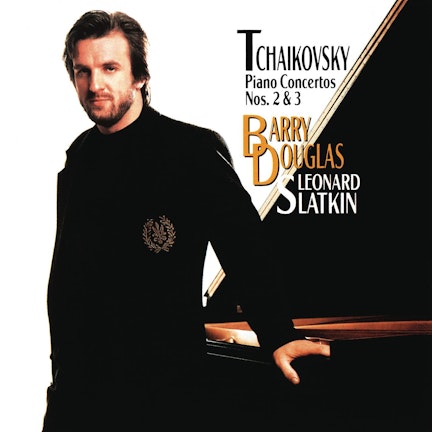
Tchaikovsky : Piano Concertos Nos 2 & 3
Rachmaninoff: Piano Concerto No. 2 & Rhapsody on a Theme of Paganini
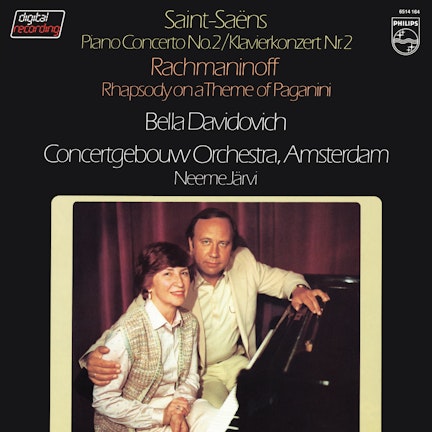
Rachmaninoff: Paganini Rhapsody, Saint-Saens: Piano Concerto No. 2
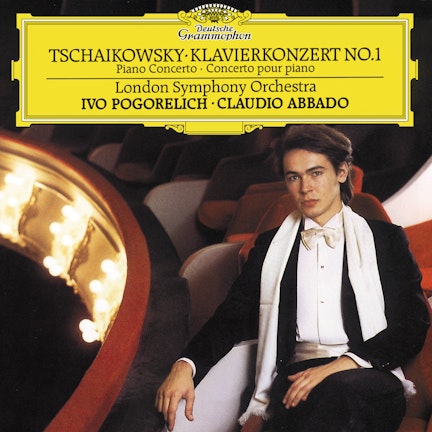
Tchaikovsky: Piano Concerto No.1
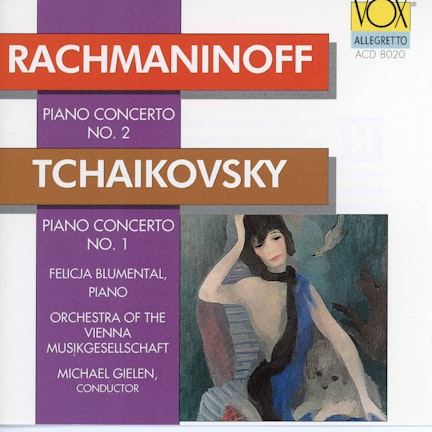
Rachmaninoff & Tchaikovsky: Piano Concertos
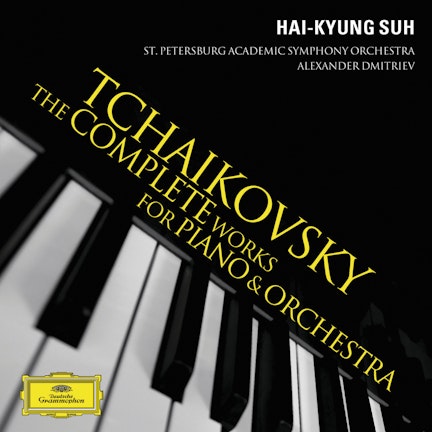
Tchaikovsky: The Complete Works For Piano & Orchestra