Ancient Greek temples, often imagined as stark white, were actually painted with vivid colors, and marble statues had colored hair, painted eyes, and skin.
Composition History
The 20th century saw a resurgence of flute compositions, especially in France, often with Greek-inspired themes and frequently paired with the harp, as composers sought to break from Romanticism.
Album & Artwork
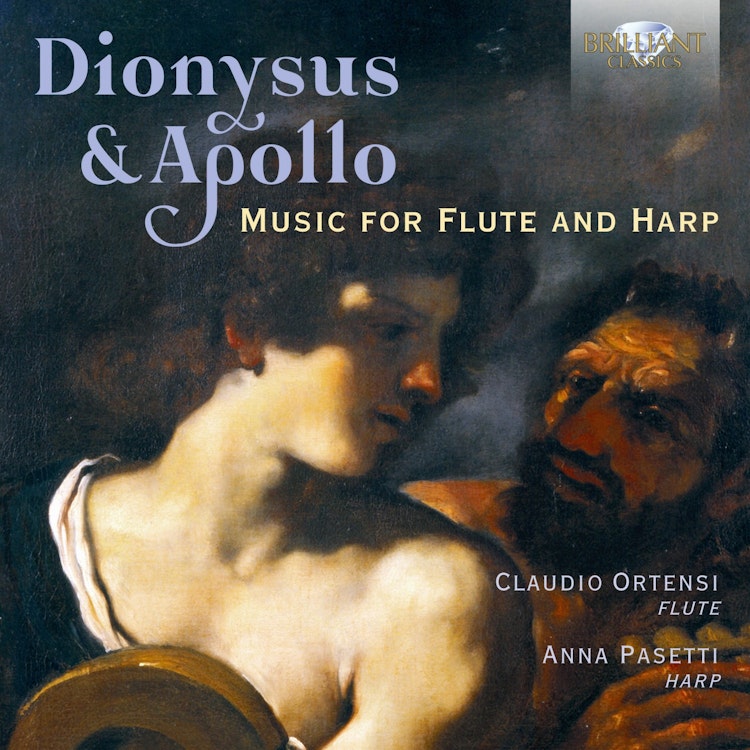
The album's title, "Dionysus & Apollo," refers to the ancient Greek gods representing contrasting aspects of art and culture.
Instruments
The 'flutes' mentioned in ancient Greek and Latin texts were actually 'auloi,' piercing-sounding reed instruments more akin to bagpipes than the modern transverse flute.
Recording & Production
This album features the first flute and harp recording of Jules Mouquet's Divertissement grec Op.23 and Philippe Gaubert's Divertissement grec.
Recording & Production
The album also includes the first harp recordings of Claude Debussy's Pour invoquer Pan, dieu du vent d'été and Nathaniel Shilkret's The Nymphs.
Instruments
The modern harp, despite its delicate image, is a powerful instrument requiring strong hands, unlike the ancient Babylonian harps that were struck with clubs.
You might also enjoy...
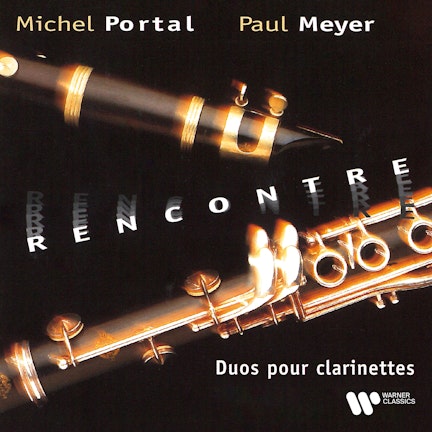
Rencontre. Duos pour clarinettes de Mozart, Haydn, Yost, Rousseau & CPE Bach