Ruralia hungarica, Op. 32a, largely uses 150 Hungarian-Transylvanian folksongs published by Béla Bartók and Zoltán Kodály, two other Hungarian composers.
Composer Biography
Ernő Dohnányi, the composer, taught piano and composition to Béla Bartók, another Hungarian composer, and was invited to teach at the Hochschule für Musik in Berlin by the famous violinist Joseph Joachim.
Compositional Technique
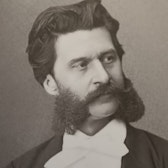
Dohnányi's arrangements of waltzes by other composers, like Johann Strauss II, are extensive and inventive fantasies in the tradition of Franz Liszt's virtuosic piano transcriptions.
Cultural Impact
In 1920, Béla Bartók, a fellow Hungarian composer, stated that "Musical life in Budapest today may be summed up in one name—Dohnányi."
Album & Artwork
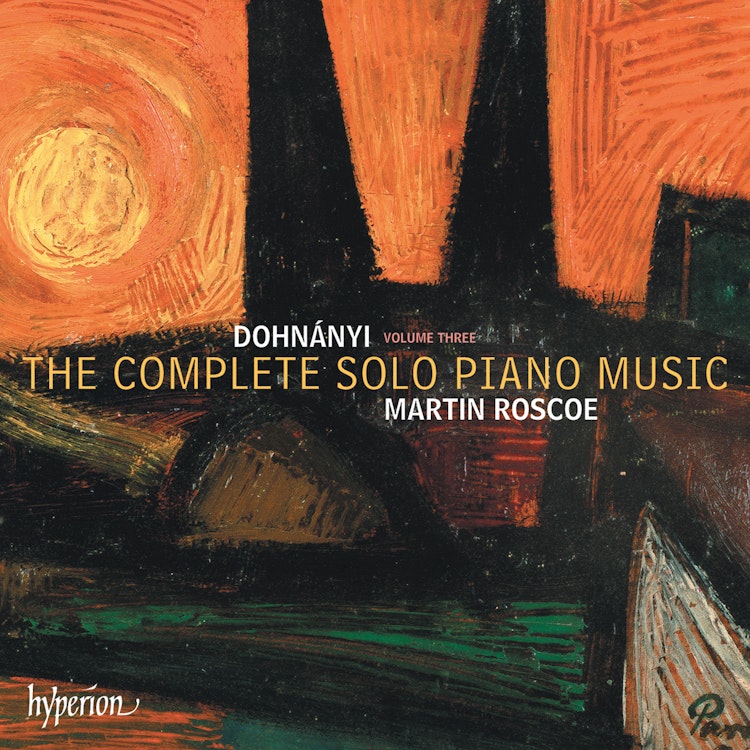
This is the third volume in Martin Roscoe's survey of the complete solo piano music of Ernő Dohnányi, a Hungarian composer-pianist.
Composition History
Dohnányi's nationalist works, such as Ruralia hungarica, were composed after his return to Hungary in 1915 and often incorporated Hungarian folksongs.
Composer Biography
After World War I, Dohnányi became a professor and director at the Liszt Academy in Budapest and President-Conductor of the Budapest Philharmonic for 25 years.
You might also enjoy...
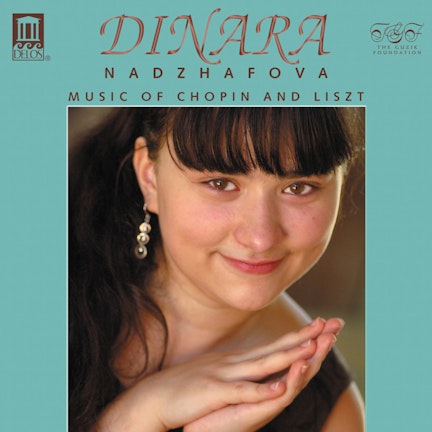
Piano Recital: Nadzhafova, Dinara - Liszt, F. / Chopin, F.
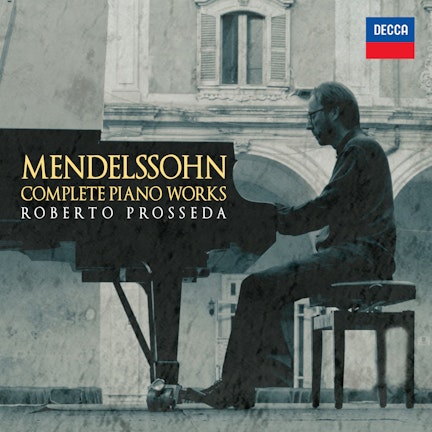
Mendelssohn: Complete Piano Works
Liszt: Harmonies du Soir
MACDOWELL: Second Modern Suite / Etude de Concert / 12 Etudes
Piano Works
A Pianist Explores Her Jewish Heritage
Piano Classics - Keyboard Masterworks by Mendelssohn, Schumann, Brahms, Mozart, Beethoven, Schubert, Chopin, Liszt
Secrets of Armenia
Piano Recital: Jones, Martin - Moszkowski, M. / Friedman, I. / Hofmann, J. / Sibelius, J. / Ferrata, G. / Sinding, C. / Godowsky, L. / Pouishnoff, L.