The tear motif, which begins each Lachrimae pavan, is ultimately heard in all five polyphonic parts, with the second strain of each pavan journeying "abroad" via one of three different chords.
Compositional Technique
John Dowland's Lachrimae invents a new genre: dance music for five bowed instruments and a lute, featuring seven "passionate" pavans based on a four-note descending musical snippet.
Interpretation
The balance of the lute and viols on this recording aims to be as close to a live experience as possible, with the lute's presence varying throughout the pieces.
Cultural Impact
Dowland's Lachrimae quickly became a source for other English consort music composers to quote, including William Lawes and John Jenkins, even decades after its publication.
Composition History
Dowland dedicated his Lachrimae to Anne of Denmark, Queen of England and Scotland, praising her as an amalgam of three pagan goddesses: Juno, Pallas Athena, and Venus.
Composer's Artistic Vision
Dowland's Lachrimae presents a stylized self-portrait of a man bereft of good fortune, giving rise to music embodying tears, anger, and melancholy, softened by moments of joy and gladness.
Performer Biography
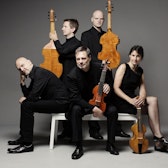
Phantasm, an award-winning consort of viols, was founded in 1994 by Laurence Dreyfus and has been recognized as a leading viol consort, winning multiple Gramophone Awards for their recordings.
You might also enjoy...
Rutter: Candlelight Carol (Version for Harp & String Quartet)
J. Ward: Consort Music
Ferrabosco: Consort Music
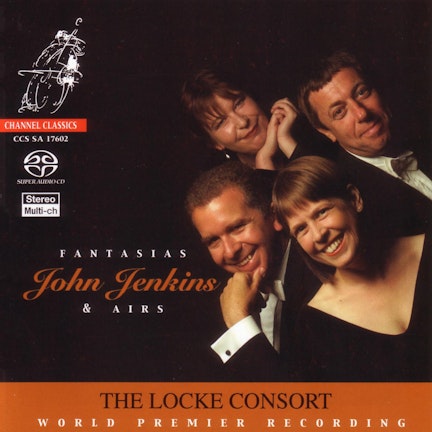
John Jenkins: Fantasias & Airs
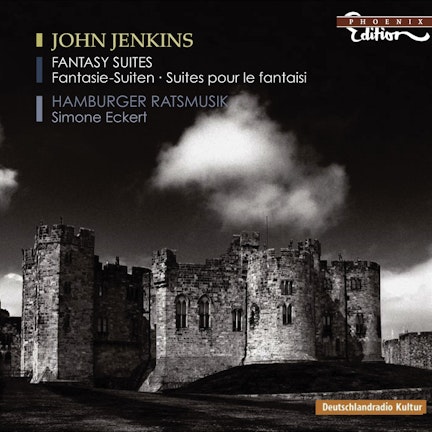
Jenkins, J.: Fantasia-Suites
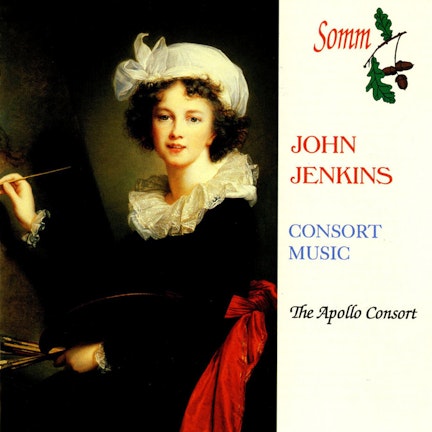
Jenkins: Consort Music
In Nomine II
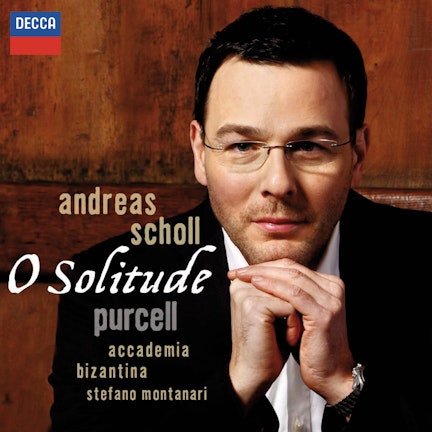
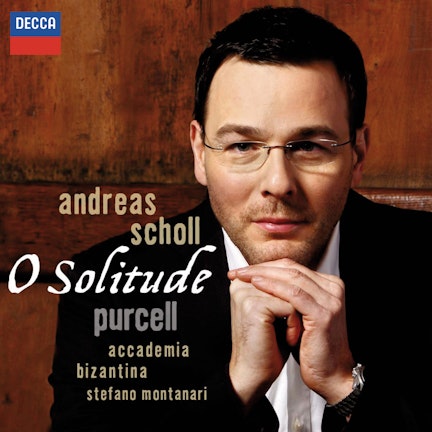
O Solitude
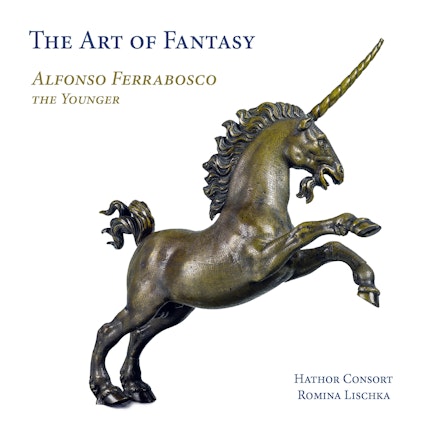
Ferrabosco II: The Art of Fantasy
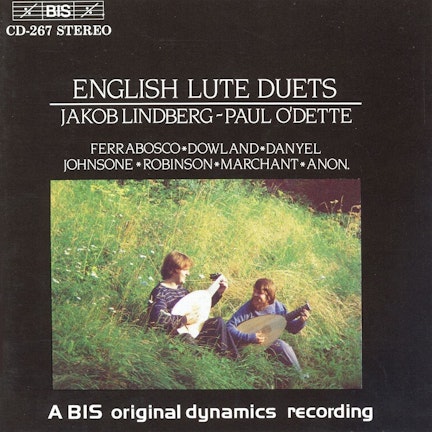
English Lute Duets
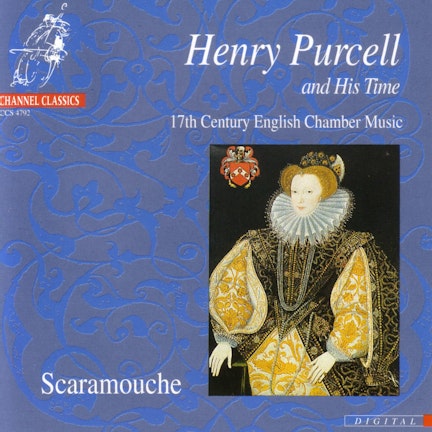
Henry Purcell and His Time - 17th Century English Chamber Music