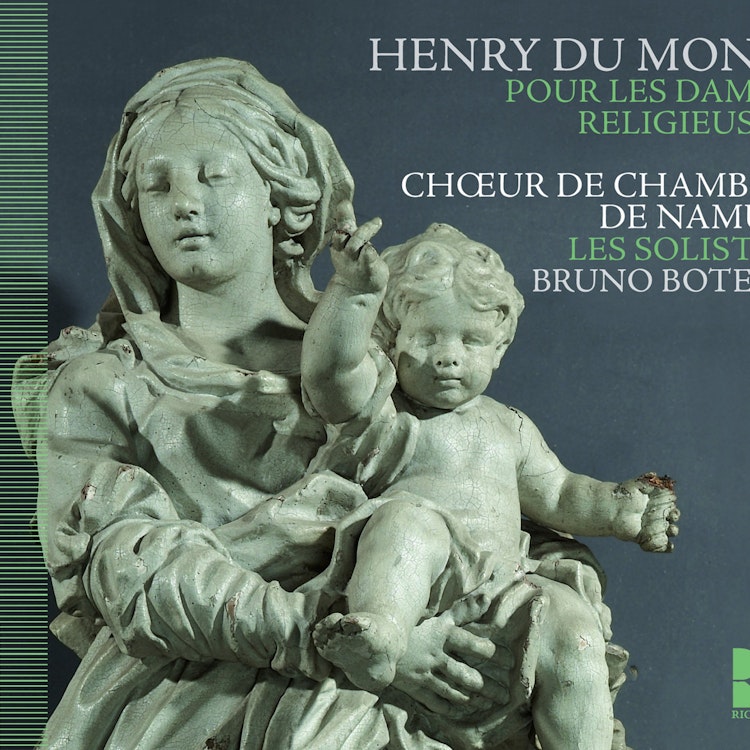
Henry Du Mont, the composer, was an organist at the church of Saint-Paul in Paris starting in 1640.
Compositional Technique
Du Mont's Meslanges (1657) suggests that pieces originally for strings could also be played on the organ by "Dames religieuses qui touchent l'orgue" (nuns who play the organ).
Historical Context
Du Mont's plainchant Masses, published in 1669, were later known as "Messes royales" and were sung by the young girls of the Maison de Saint-Cyr at the instigation of Madame de Maintenon.
Instruments
The organ used for this recording is the Jean-Baptiste Le Picard organ from Beaufays, dating from 1742 and restored in 1991.
Recording & Production
This recording was made in January 2010 at the Saint-Jean-Baptiste church in Beaufays, with Jérôme Lejeune responsible for sound engineering and artistic direction.
Composer's Artistic Vision
Henry Du Mont's 1652 publication, Cantica Sacra, included motets specifically for "Dames Religieuses" (nuns) who preferred easy-to-sing motets for few voices, with organ or bass viol accompaniment.
Compositional Technique
Du Mont's Magnificat on this album alternates verses for two voices and basso continuo with verses in plainsong, a common practice in polyphonic music of the era.
You might also enjoy...
Marini & Castello
The Carol Album
The Art of the Netherlands
Ave Maria Kaiserin
Josquin Des Prez: Missa "Ave maris stella", motets & chansons
Morales, C.: Assumption Mass
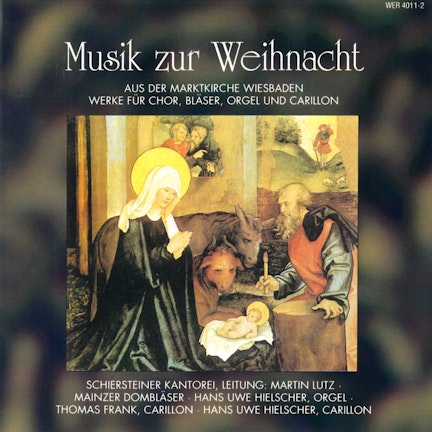
Musik zur Weihnacht aus der Marktkirche Wiesbaden
Christmas Carols
Davon ich singen und sagen will: Martin Luther und die Musik
Differences
Guerrero: Missa Sancta et immaculata & Other Sacred Music