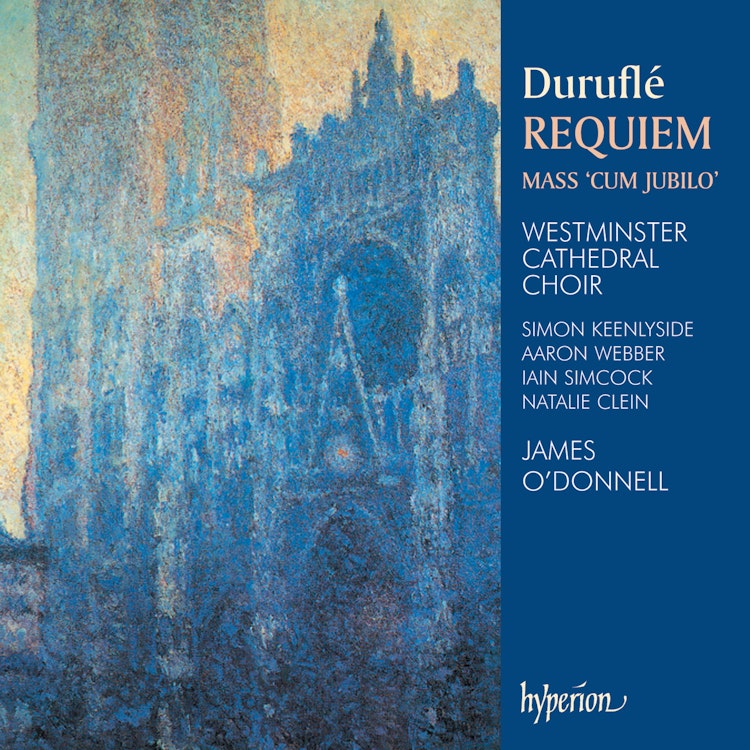
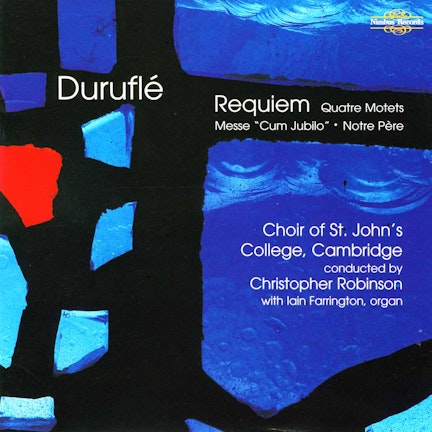
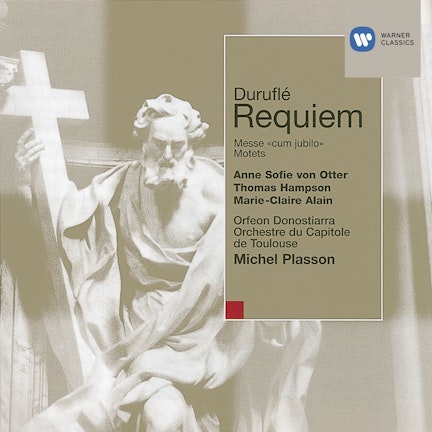
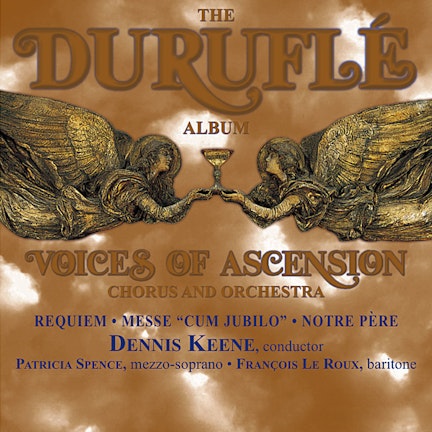
Duruflé's Requiem models itself on Fauré's Requiem, adopting a similarly restrained approach and using the same texts and soloists.
Composer Biography
Duruflé felt incapable of adding anything significant to the piano repertoire and viewed the string quartet with apprehension, preferring to compose for orchestra and organ, as he was a renowned virtuoso organist.
Compositional Technique
The Requiem uses plainchant as the basis for the entire work, unifying it and imbuing it with timelessness and meditative spirituality.
Compositional Technique
The strength of Duruflé's composition lies in its fusion of plainchant, liturgical modality, subtle counterpoint, and the harmonies and refined scoring of Debussy, Ravel, and Dukas.
Composer Biography
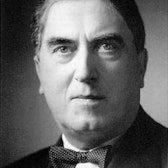
Maurice Duruflé (1902-1986) was a meticulous perfectionist, publishing only ten works in his lifetime, one fewer than his teacher Paul Dukas.
Composition History
Duruflé's Requiem was commissioned by his publishers, Durand, while he was already working on organ pieces based on plainchant from the Mass for the Dead.
Composer's Artistic Vision
Duruflé eschewed avant-garde experimentation, choosing instead to draw inspiration from plainchant and the great French composers Debussy, Ravel, Fauré, and Dukas.
You might also enjoy...
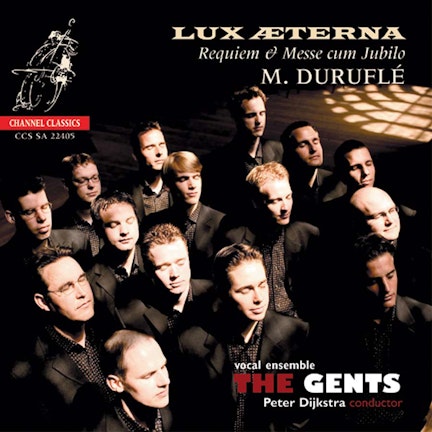
Lux Æterna
Duruflé: Complete Choral Works
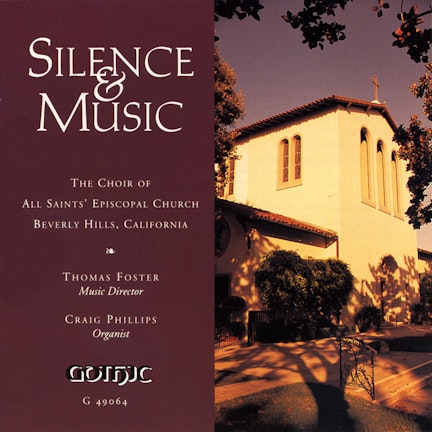
Silence & Music
Durufle: Complete Choral Works
Igor Stravinsky: Late Works
Shadows on the Stars
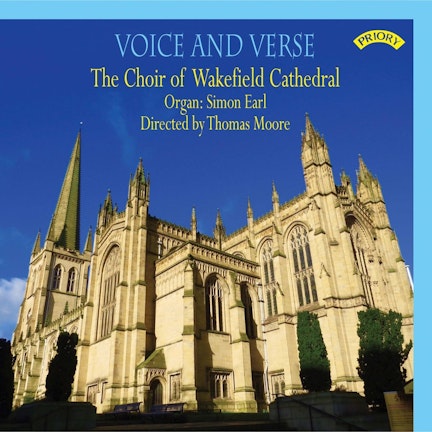
Voice and Verse
Durufle, M.: Choral Music (Complete)
Duruflé: Choral Works
Elegy
Messiaen: La Nativité du Seigneur
Es Ist Ein Ros' Entsprungen
Durufle, M.: Requiem / Mass, "Cum Jubilo" / Notre Pere (Voices of Asension Chorus)